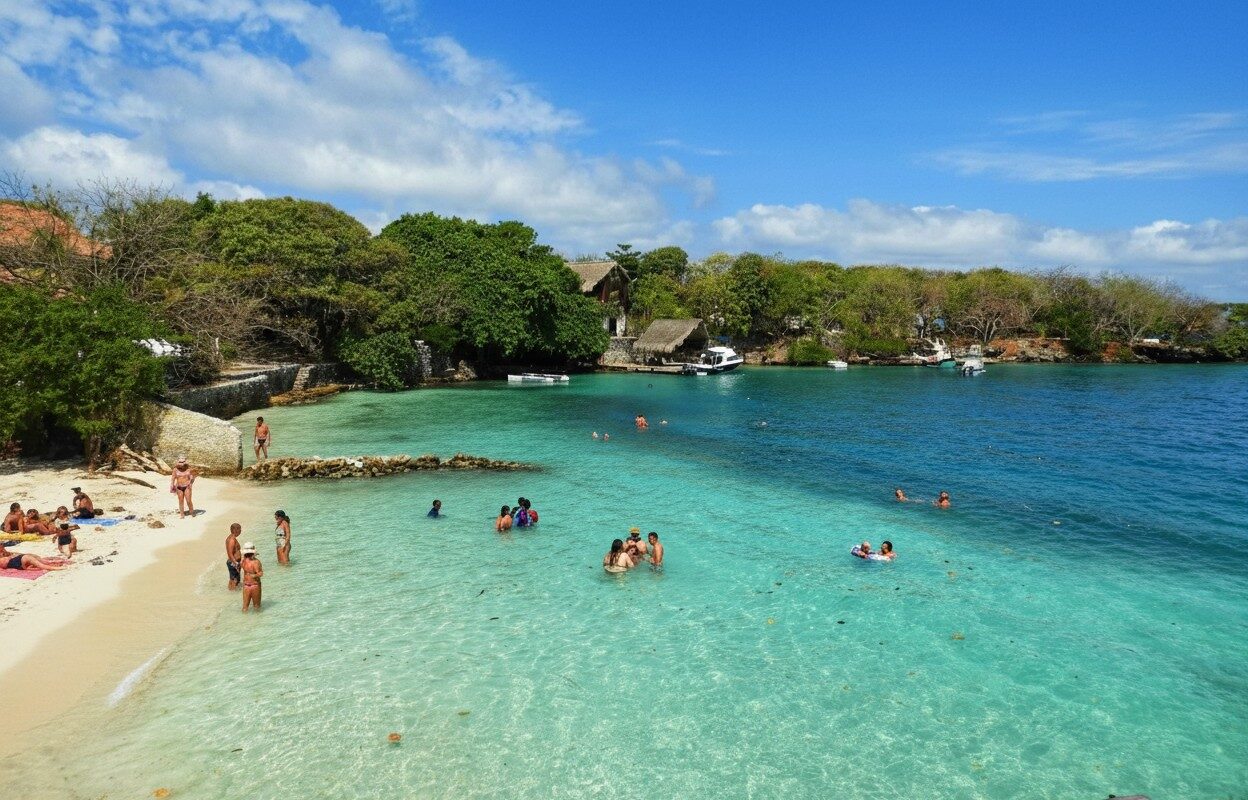
Every travel blog calls the Rosario Islands (Islas del Rosario) “paradise” and “pristine.” Here’s what they’re not telling you: the archipelago’s coral reefs are dying from tourism pressure, most tour operators pack boats past capacity, and the water clarity varies dramatically depending on which island you visit and what the Caribbean decided to do that morning.
Quick answer: The Rosario Islands are a Caribbean archipelago 35 km from Cartagena with 27+ islands and islets. The best options are Isla Grande (overnight stays, snorkeling), Isla del Pirata (quieter beaches), and Cholón (parties, catamaran crowds). Day trips cost 120,000 to 330,000 COP, roughly $40 to 110, plus about 40,300 COP in pier and park fees paid in cash (2026); private charters run $150 to $400, and an overnight stay is $150 to $300 a night for two with meals. December to March is the driest stretch but also the windiest, with the roughest crossings of the year, and seas between showers from April to November are often calmer. Avoid weekends — the crowds ruin it. Nearby, Santa Cruz del Islote — one of the world’s most densely populated islands — is worth a quick stop if your tour includes it.
But here’s the compromise: choose the right island, book through a legitimate operator, and the Rosario Islands still beat anything else within reach of Cartagena. In practice that means skipping Playa Blanca, aiming for private cays like Isla del Pirata or a hotel beach club on Isla Grande, going mid-week, and taking a catamaran rather than a speedboat if your back has opinions. Crystal water? Yes, usually. White sand? Depends on the island. Crowds? Unavoidable December through March, manageable in other months.
First time planning Cartagena? This guide assumes you’ve already decided the Rosario Islands are on your list. If you’re still figuring out your overall itinerary and want to see how island trips compare to other Cartagena activities, start with our complete Things to Do guide for the big picture, then return here for the deep dive on island strategy.
This guide covers which specific islands are worth your time, how to avoid the tour operator scams that plague the Cartagena docks, what the water actually looks like (spoiler: not Maldives-level), and whether overnight stays justify the premium. No fluff. Just what works in 2026.
What Actually Are the Rosario Islands?
An archipelago of 27 small islands (technically 30 if you count the tiny uninhabitable coral cays) located about 35km southwest of Cartagena. Part of the Corales del Rosario y de San Bernardo National Natural Park—Colombia’s first marine protected area, established in 1977.
The geography nobody explains: The islands form a rough arc protecting a massive coral reef system. Or rather, what’s left of it. The reefs here were spectacular in the 1980s. Then came mass tourism, anchors dragging across coral, sunscreen chemicals leaching into the ecosystem, and climate change bleaching events. By early 2025, maybe 30-40% of the original coral cover remains healthy.
Think of the Rosario Islands like the Florida Keys 20 years ago: still beautiful, increasingly commercialized, and racing against time before tourism destroys what makes them special.
Which islands matter for visitors?
- Isla Grande (literally “Big Island”) – Largest island, has hotels, restaurants, and local communities
- Isla del Pirata – Private island, day pass model, less crowded
- Isla Arena – Now the private Corona Island resort (since 2021), paid day pass or overnight only; regular tours do not stop here
- Cholón – The party island. Floating bars, music, drunk crowds. Love it or hate it.
- Isla Múcura / Isla Tintipán – Further away (San Bernardo archipelago technically), more remote, clearer water
What most tourists don’t realize: When operators say “Rosario Islands tour,” they rarely specify which islands are included. You might end up at Playa Blanca (which isn’t even in the Rosarios—it’s on Barú Peninsula) or Cholón (which is more floating party than nature experience). Always confirm the itinerary.
Which Islands Should You Actually Visit?
Not all Rosarios are created equal. Here’s the honest breakdown:
Isla Grande – The Compromise Option
The pitch: Largest island, established tourism infrastructure, several beach clubs, and small hotels.
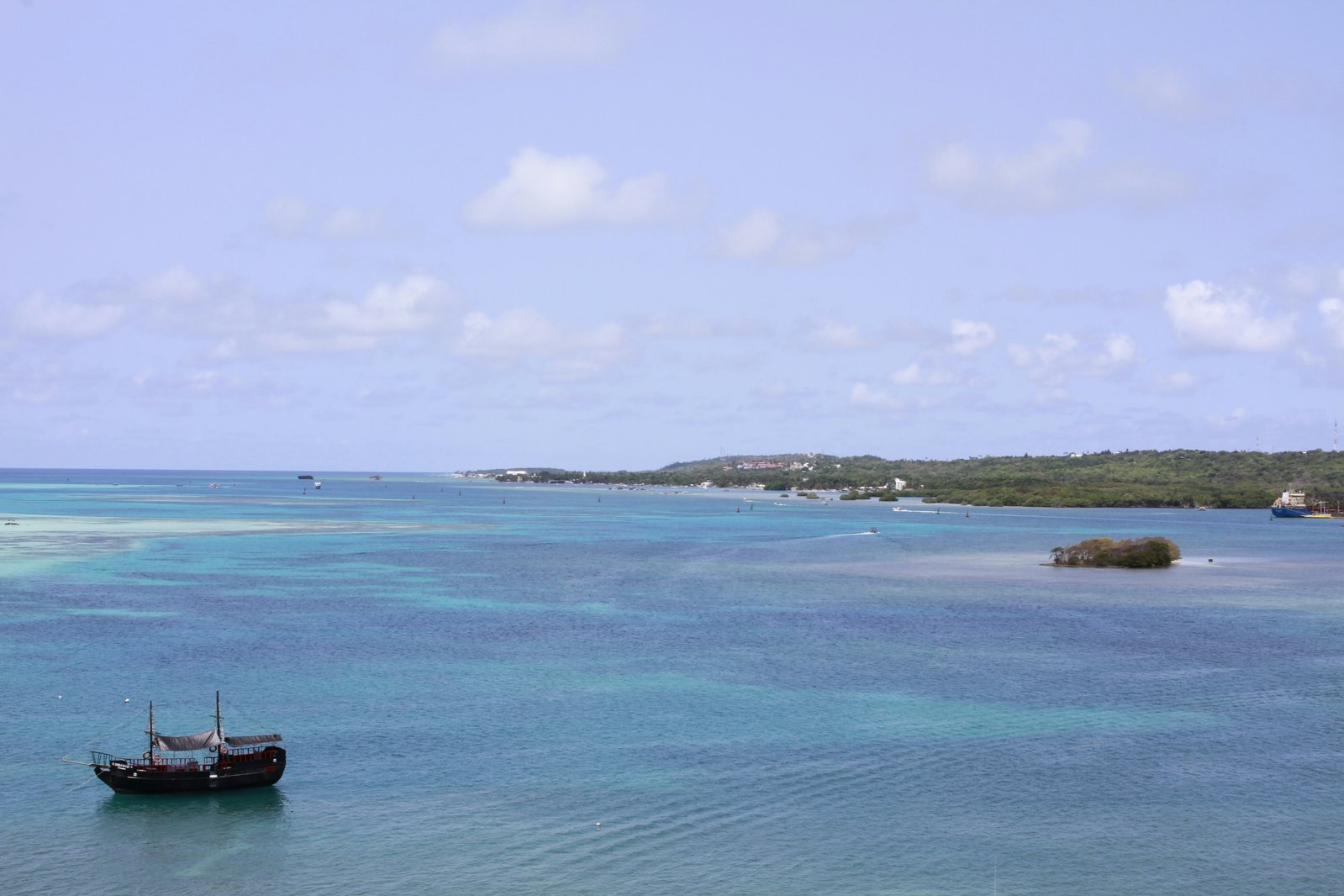
The reality: Isla Grande has the most options, which makes it easier for tours to deliver a decent experience. You’ll have choices between beach clubs (Punta Arena, Gente de Mar, Isla del Sol) that offer day passes, chairs, lunch, and crucially—some protection from aggressive vendors.
Water quality: Good but not exceptional. Visibility 5-10 meters on calm days. Sandy bottom near shore means fewer coral encounters but easier swimming for families.
Crowd level: Moderate to high. Being the biggest island with the most infrastructure means it absorbs tourists better than smaller cays.
Best for: First-time visitors who want guaranteed infrastructure (bathrooms, shade, food) and don’t mind sharing the experience.
Isla del Pirata – The Sweet Spot
The pitch: Private island, limited daily visitors, day pass model.
The reality: This is probably your best bet for quality-to-crowd ratio. The island caps daily visitors (though I honestly haven’t confirmed the exact number recently—it might have increased). You pay more (~$60-80 for a day pass, including lunch), but you get actual beach space and the operators maintain the property.
Water quality: Better than Isla Grande. Clearer visibility, small coral patches for snorkeling, and less boat traffic disturbing the sediment.
Trade-off: More expensive and requires booking ahead. Can sell out during peak season (Dec-March). No flexibility if the weather turns bad.
Best for: Couples, people willing to pay a premium for less chaos, anyone who’s been to Southeast Asian beaches and worried about disappointment.
Cholón – The Party Island
The pitch: Floating bars, music, social scene, boats anchored together creating a massive party.
The reality: If you’re 22, love day drinking, and want to meet other travelers while dancing in waist-deep water with 200 people, Cholón is your spot. If that doesn’t appeal to you, avoid it.
Water quality: Who cares? You’re not here for nature. The water is more of a pool for drunk people than anything resembling a snorkeling habitat.
Noise level: Reggaeton at 110 decibels from 11 AM to 4 PM.
Best for: Party crowds, bachelor/bachelorette groups, people who measure vacation success by Instagram story count.
Isla Múcura / Isla Tintipán – The Remote Option
The pitch: Part of the San Bernardo archipelago (further south), clearer water, less developed, and a more remote feeling.
The reality: These islands do offer better water visibility and fewer crowds, but they’re also 2+ hours by boat from Cartagena. Tours here typically cost $90-120 and take the full day. The trade-off is genuine—you get quality, but you sacrifice convenience and spend significant time traveling.
Water quality: The best you’ll find near Cartagena. Visibility can hit 15-20 meters. More intact coral. Better fish populations.
Best for: Serious snorkelers/divers, people doing 2+ weeks in Cartagena who’ve already done the closer islands, anyone prioritizing nature over convenience.
Playa Blanca – Skip It
The pitch: Famous white sand beach, which appears in every Cartagena photo gallery.
The reality: I covered this in the main Things to Do guide, but it bears repeating—Playa Blanca is extremely overcrowded and chaotic. Vendors approach every 30 seconds, and boat after boat brings hundreds of people. The beach is beautiful for about 15 minutes before reality sets in.
Why tours push it: It sits on Barú, a former peninsula cut off by the Canal del Dique and reconnected by bridge in 2014, so boats can drop anchor closer to shore. Easier logistics for operators = cheaper for them = higher margins on those $30-40 scam tours.
What to do instead: Literally any of the actual Rosario Islands above. If you still want to see the famous beach, our Playa Blanca and Baru guide explains how to go by road early or stay overnight, which is the only way it works.
💡 Not sold on island trips? Our complete Cartagena beaches guide covers all 12+ beach options near the city, including mainland alternatives that don’t require boats, ferries, or expensive tours.
When Should You Visit the Rosario Islands?
Best Weather Windows
December – March: Peak season. Calmest seas, most reliable sunshine, best visibility underwater. Also, the most expensive and most crowded. Tours sell out days ahead. Beach clubs are at capacity.
Trade-off: Perfect weather vs. elbow-to-elbow with other tourists. If you’re coming to Cartagena during these months anyway, it’s still worth going—just book early and go mid-week if possible.
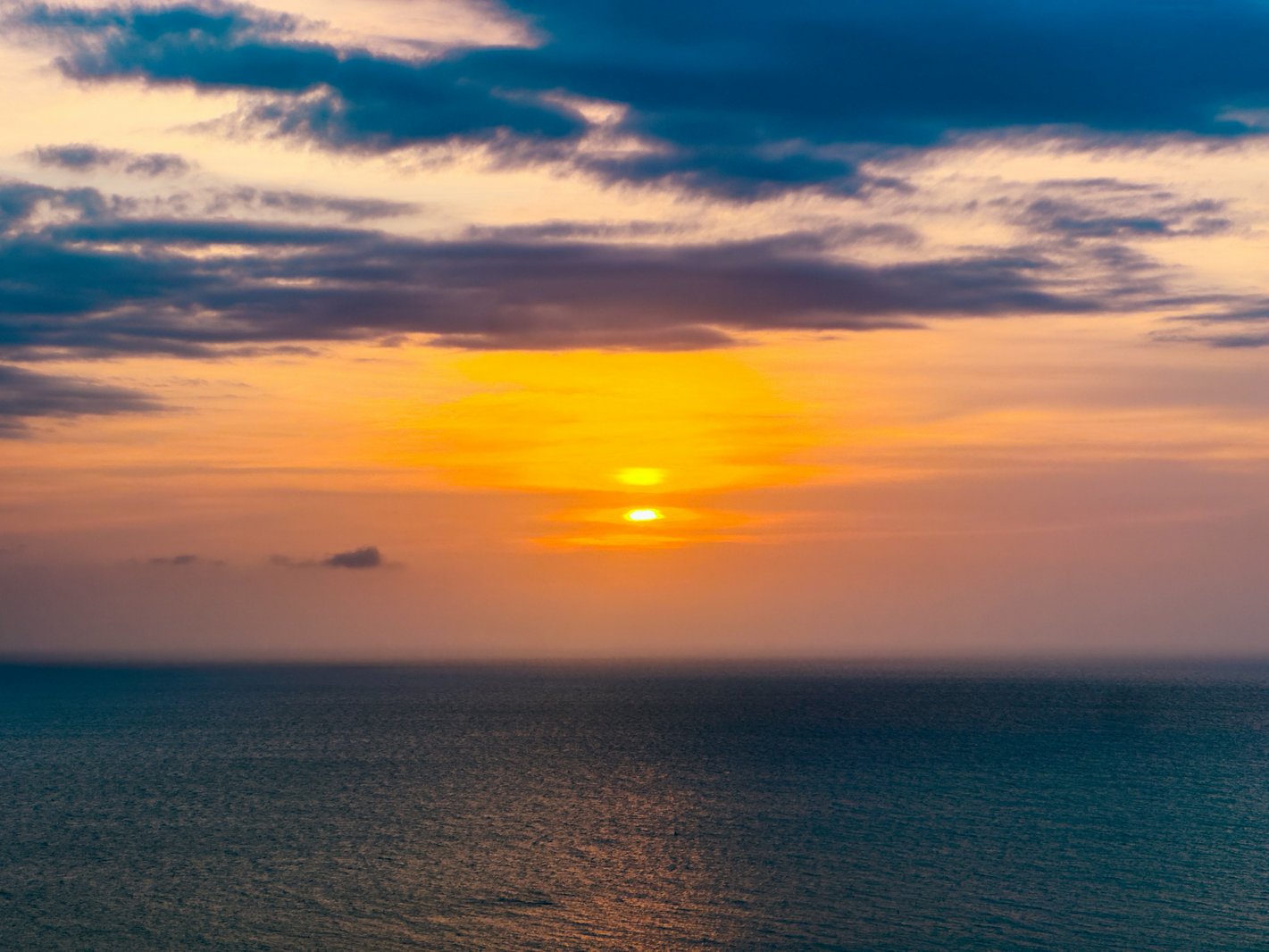
April – May: Shoulder season. The weather is still mostly cooperative. Crowds are dropping off. Prices haven’t fully crashed yet, but they are better than high season. May sees more rain but often just afternoon showers.
June – November: Rainy season. Tours run unless the seas get rough (usually fine, but speedboats can be bouncy). Water visibility drops during/after storms as sediment gets stirred up.
The upside? You might have beaches nearly to yourself. Tours are 30-40% cheaper. If you can handle weather uncertainty, this is the budget play. I’ve done trips in October where we had perfect morning conditions and zero other boats.
Worst month: October. Peak rainfall. Roughest seas. Some operators cancel more tours due to conditions.
These timing recommendations are specific to island trips. For complete Cartagena weather patterns, festival calendars, and city-wide crowd analysis, see our comprehensive When to Visit Cartagena guide.
Time of Day Matters
Morning tours (8-9 AM departure) hit the islands between 10 AM and 12 PM. Afternoon tours arrive 1-3 PM.
Morning pros:
- Clearer water (wind hasn’t picked up yet)
- Better snorkeling visibility
- Cooler temperatures
- First access to beach chairs
Morning cons:
- Wake up early (yeah, on vacation)
- Return to Cartagena around 4-5 PM, missing sunset.
Afternoon pros:
- Sleep in
- Often cheaper (operators discount afternoon slots)
- Fewer boats during mid-week
Afternoon cons:
- Choppier return journey (Caribbean winds pick up 2-4 PM)
- Motion sickness is real—I’ve seen multiple people lose their lunch on the return.
- Water visibility decreases as the day progresses.
- Arrive back at sunset (nice views but no time for other activities)
My recommendation: Morning tours for a quality experience. Afternoon tours only if the budget is tight or you physically cannot wake up.
Can you fly to the Rosario Islands?
No. There is no airport on the Rosario Islands, and every visitor arrives by boat from Cartagena. If you are searching for flights, what you actually need is a flight into Cartagena, airport code CTG, and then a boat from the city.
Boats leave from Muelle La Bodeguita, the tourist dock beside the Old Town. A speedboat reaches the islands in 45 to 60 minutes on a direct run, and the public lancha to Isla Grande takes 90 to 120 minutes. There is no scheduled drive-on ferry and no airstrip, so anyone selling you a flight to the islands is selling something that does not exist.
How to Actually Get to the Rosario Islands
You have three options: group tour (speedboat or catamaran), private charter, or public boat to Isla Grande, then local water taxi. Here’s what actually works:
Group Tours: The Standard Option
Most visitors book through tour operators. You’ll see these split between speedboats and catamarans.
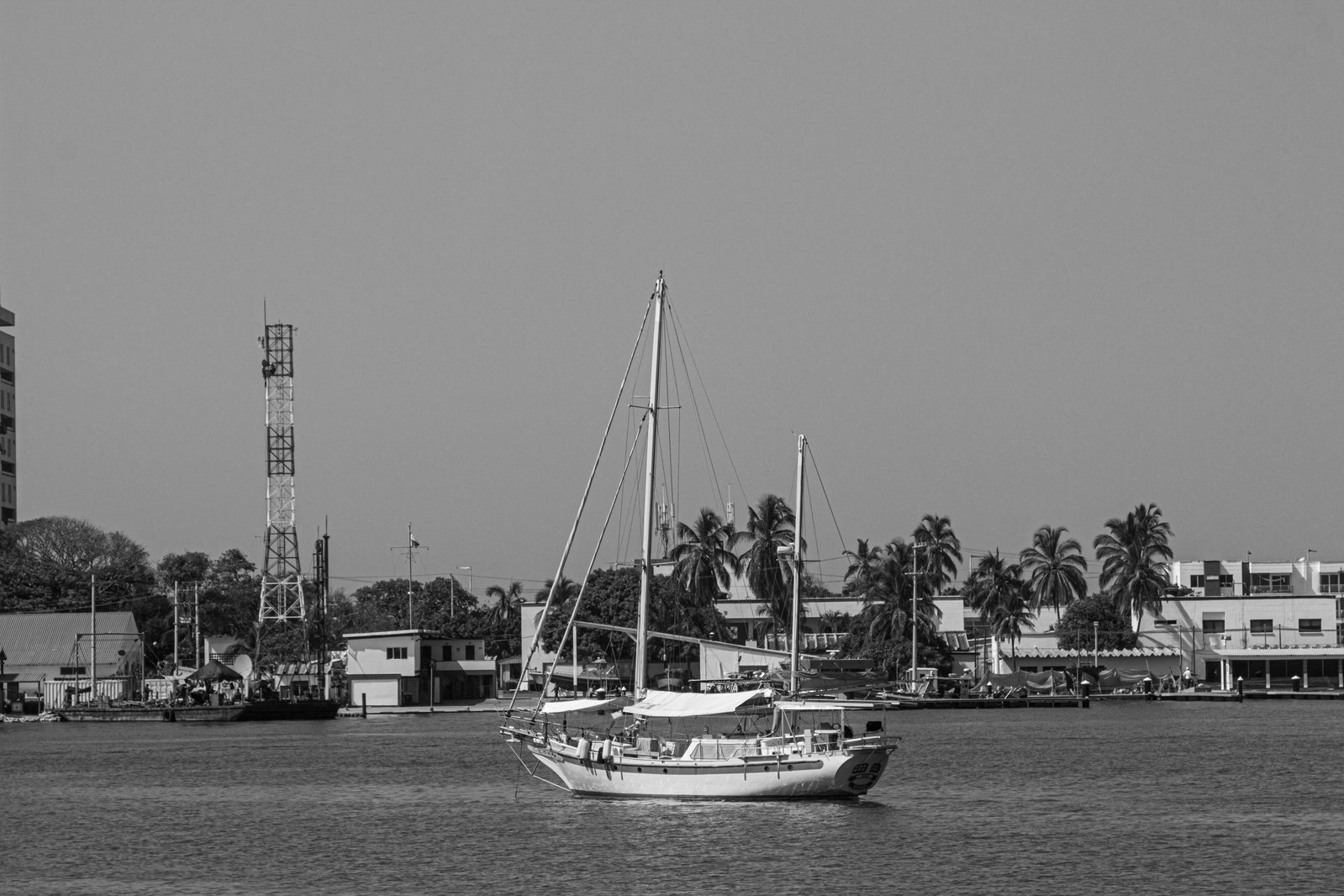
Speedboat tours (~$50-70):
- Capacity: 20-35 people typically
- Journey time: 45-60 minutes
- Comfort level: Bouncy. You’ll get wet. Your back will feel it.
- Best for: Budget travelers, anyone under 30 who doesn’t mind getting jostled
Catamaran tours (~$65-90):
- Capacity: 30-60 people (larger boats)
- Journey time: 75-90 minutes (slower but smoother)
- Comfort level: Much better. Shade, seating, less spray
- Best for: Anyone over 30, people prone to motion sickness, groups with kids
My take: Pay the extra $15-20 for a catamaran. Your spine will thank you. The speedboat savings aren’t worth the discomfort and potential seasickness.
What’s typically included:
- ✅ Round-trip boat transport
- ⚠️ Dock and park fees: about 40,300 COP (roughly $13) per person in cash at the dock, made up of three separate charges, the Corpoturismo dock fee of 18,000 COP, national park entry of 13,500 COP and mandatory accident insurance of 8,800 COP. Rates change by resolution, so confirm at the pier (August 2026)
- ✅ Lunch (quality varies – usually fish, rice, salad, fruit)
- ✅ Snorkeling gear (masks provided, fins often extra)
- ✅ Beverages (water, sometimes soft drinks)
- ⚠️ Not included: Tips for crew, extra food/drinks, beach club upgrades
Price reality check: Tours under $50 are cutting corners somewhere—overcrowded boats, rushed schedules, or mystery islands. Tours over $100 are either going to remote islands (Múcura/Tintipán) or include premium add-ons.
For a detailed comparison of specific tour operators, exact itineraries, and which tours offer the best value, see our comprehensive day trip planning guide.
Private Charters: The Premium Option
Rent an entire boat. Choose your islands. Set your schedule. Stop anywhere for snorkeling.
Cost: $250-600, depending on boat size and duration. Split among 6-10 people, it’s actually reasonable per person.
Advantages:
- Flexibility on timing and stops.
- No waiting for other people
- Choose snorkel spots based on conditions that day.
- Skip Cholón if you want (or embrace it if that’s your thing)
Where to book: Local boat owners in Bazurto or through hotels (hotels mark up 30-50%). GetYourGuide also has private options.
Best for: Groups of 6+, families with young kids, anyone who values control over schedule.
Public Boat to Isla Grande: The Local Route
How it works: Take the public boat (lancha) from Cartagena’s Muelle La Bodeguita to Isla Grande. Costs about 30,000-40,000 COP (~$10-13) round-trip. Boats leave when full (usually 20-30 people), roughly every 1-2 hours starting around 8 AM.
Journey time: 60-90 minutes, because the tour collects passengers and stops on the way.
Trade-off: You save money but sacrifice convenience and guarantees. Once on Isla Grande, you’ll need to negotiate with beach clubs directly for chairs, lunch, etc. Language barrier is real. Some places charge higher “walk-up” rates than tour group rates.
Best for: Budget travelers who speak Spanish, people staying multiple days on Isla Grande, adventurous types who don’t mind uncertainty.
💡 Island costs are just one part of your total Cartagena budget. For accommodation pricing, restaurant costs, and overall trip budget planning, see our complete Cartagena budget guide.
Day Trip vs Overnight: Which Makes Sense?
Most visitors do day trips. Some stay overnight. Here’s the actual trade-off, and our guide to Rosario Islands hotels compares the places you can actually book if you decide to stay:
Day Trip Advantages:
- ✅ Cheaper (no accommodation costs)
- ✅ Less luggage hassle
- ✅ See Isla Grande + possibly other islands
- ✅ Return to Cartagena nightlife/restaurants
- ✅ Flexibility to choose different tours on different days
Day Trip Disadvantages:
- ⚠️ Rushed schedule (typically 3-4 hours on the island)
- ⚠️ Share the experience with 20-50 other tourists
- ⚠️ Miss sunset and evening atmosphere
- ⚠️ Can’t snorkel at optimal times (early morning/late afternoon when day tourists are gone)
Overnight Stay Advantages:
- ✅ Island to yourself morning/evening when day tours leave
- ✅ Better snorkeling times (dawn/dusk)
- ✅ See bioluminescence if conditions are right (no guarantees)
- ✅ Actual relaxation vs. rushed schedule
- ✅ Sunrise from the beach with coffee
Overnight Stay Disadvantages:
- ⚠️ Expensive ($100-300/night for decent hotels)
- ⚠️ Limited food options (you’re captive to hotel restaurants)
- ⚠️ Need to pack extra clothes/toiletries
- ⚠️ Might get bored if the weather turns bad
- ⚠️ Some hotels have unreliable power/water
My recommendation: Do overnight only if:
- You’re in Cartagena for 7+ days and want variety.
- You specifically want to snorkel when day tourists aren’t around.
- Budget allows ($200+ for quality experience, including accommodation, meals, tours)
For complete accommodation options, hotel reviews, and booking strategies, see our Rosario Islands hotels guide.
💡 Wondering how to fit the Rosario Islands into your overall Cartagena itinerary? Our 3-day Cartagena itinerary shows exactly when to schedule your island day trip for optimal flow, plus backup plans if the weather doesn’t cooperate.
What to Actually Expect: Setting Realistic Standards
Every travel blog oversells the Rosario Islands. Let me level with you:
Water Clarity: Good, Not Great
What you’ll see: Visibility typically 8-15 meters on calm days. Better on the outer islands (Múcura/Tintipán), worse near Cartagena.
What you won’t see: Maldives/Seychelles-level crystal water. The Caribbean here is beautiful, but not that insane turquoise you see in heavily filtered Instagram posts.
Why: Continental shelf geography, seasonal plankton blooms, boat traffic stirring sediment, and runoff from the mainland during the rainy season.
Still worth it? Yes, if you’re coming from Cartagena. No, if you’ve spent significant time in Belize, Cozumel, or the Philippines.
Coral Reefs: Damaged but Present
Honest assessment: The reefs have taken serious damage from tourism, climate change, and decades of poor management. What you’ll see:
- Scattered coral patches (mostly brain coral, some elkhorn)
- Lots of dead/bleached coral covered in algae
- Moderate fish populations (sergeant majors, parrotfish, occasional barracuda)
- Sea urchins everywhere (they thrive when reefs decline)
What you won’t see:
- Pristine coral gardens
- Large pelagics (sharks, rays are rare near the tourist islands.
- The colors/diversity of healthy reefs
The environmental reality: Mass tourism is killing what makes these islands special. National Park designation helped, but enforcement is weak. Anchors still drag across coral. Sunscreen chemicals accumulate. The coral that survives is tough but stressed.
Environmental Tip: Use reef-safe sunscreen (zinc oxide or titanium dioxide-based). Regular sunscreen contains oxybenzone and octinoxate, which bleach coral even in tiny concentrations. Most people don’t know this.
Beaches: White Sand But Not Deserted
What’s true: The sand is genuinely white and soft. The palm trees exist. The water is warm (28-30°C / 82-86°F year-round).
What’s misleading: The “deserted tropical paradise” imagery. During high season (Dec-March), every beach with tourist access is shared. Isla del Pirata limits capacity, but you’re still seeing other people. Isla Grande beach clubs have multiple tour groups rotating through.
Reality check: If “secluded” is your priority, the Rosario Islands aren’t it. If “a beautiful Caribbean beach that’s accessible from Cartagena” is your goal, they deliver.
Budget Breakdown: What the Rosario Islands Actually Cost (2026)
Let me give you real numbers from early 2025:
| Day tour | $50-60 (speedboat, group) | $65-80 (catamaran, smaller group) | $150-300 (private boat) |
| Beach club upgrade | N/A (included in tour) | $15-25 (better chair location) | $40-60 (VIP section, full day) |
| Food beyond tour lunch | $5-10 (snacks, drinks) | $15-25 (restaurant meal) | $35+ (hotel dining) |
| Snorkeling gear | Included (basic mask) | $5-10 (better gear/fins) | Included (private tours) |
| Overnight stay | N/A | $100-200/night (basic hotel) | $200-400/night (resort) |
| Tips | $5-10 (crew) | $10-20 (crew + guide) | $20-40 (private crew) |
| Total day trip cost | $60-80 | $95-135 | $200-400 |
| Total overnight (2D/1N) | N/A | $250-400 | $450-700 |
What surprises people:
- Tours advertised at “$50” often have $15-25 in add-ons (beach club entrance, better snorkel gear, drinks beyond water)
- Isla del Pirata charges a separate entry (~$20-30) on top of boat transport unless booked as a package.
- Meals on the islands cost 50-100% more than in Cartagena (captive audience pricing)
What to Pack for the Rosario Islands Trip
Essentials (Don’t forget these):
- Reef-safe sunscreen – Spray SPF 50+, reapply every hour.
- Swimsuit + spare (you’ll stay wet all day)
- Microfiber towel – Dries fast, packs small.
- Waterproof phone case – Bring it or don’t bring your phone at all
- Cash – Small bills. Many places don’t take cards or charge 5% extra.
- Motion sickness pills – Take 30 minutes before departure if you’re prone.
- Hat/sunglasses – Sun is brutal, especially on boats
Nice to Have:
- Rashguard – Better sun protection than sunscreen alone
- Snorkel mask – Tours provide them, but quality varies wildly
- GoPro/waterproof camera – Phone cases work, but dedicated cameras are better
- Light cover-up – For a boat ride if you burn easily
- Small dry bag – Keeps valuables safe and dry
Don’t Bother:
- Beach toys/floats (most tours have them)
- Large backpack (you’re on a boat, space is limited)
- Fancy clothes (you’re getting wet, stay casual)
- Laptop/tablet (why?)
Tour Operator Red Flags: How to Avoid Getting Scammed
The Cartagena dock area is full of hustlers selling cheap “Rosario Islands tours.” Here’s how to spot the scams:
🚩 Red Flag #1: Too Cheap
Tours under $45 are cutting corners. You’ll wait at the dock for hours while they fill the boat past capacity, get rushed through a crappy lunch, and probably end up at Playa Blanca instead of the actual islands.
🚩 Red Flag #2: Vague About Islands
Legitimate operators specify which islands. “We go to the Rosario Islands!” Without details means they’re taking you wherever is cheapest/easiest that day.
🚩 Red Flag #3: “All Inclusive” Without Details
What does “all inclusive” include? Lunch quality? Drinks beyond water? Snorkel gear? Beach club entry? If they can’t list specifics, they’re hiding costs.
🚩 Red Flag #4: Pressure Tactics
“This is the last spot!” / “Price goes up tomorrow!” / “My friend gives you a special deal!” are all hustle tactics. Legitimate operators don’t need to pressure.
🚩 Red Flag #5: Cash Only + No Receipt
Paying cash is normal in Colombia, but refusing to provide any written confirmation is sketchy. Reputable operators give you a booking confirmation.
Snorkeling the Rosario Islands: What You’ll Actually See
Let’s manage expectations here:
Best snorkel spots:
- Near Isla del Pirata – Coral patches on the southwest side, visibility usually good
- The water off Isla Arena – Scattered coral heads and plenty of fish, though not huge diversity. The island itself is the private Corona Island resort now, so tours snorkel offshore rather than landing
- San Bernardo Islands – Better intact reef systems if you make the longer journey
Typical underwater encounters:
- Schools of sergeant majors (striped small fish)
- Parrotfish munching on coral
- Blue tangs are darting around.
- Occasional barracuda lurking (harmless if you leave them alone)
- Sea urchins EVERYWHERE (watch where you step)
- Scattered coral formations (brain coral, staghorn fragments)
What you probably won’t see:
- Turtles (they exist, but sightings are rare near tourist islands)
- Rays (possible in San Bernardo, rare in main Rosarios)
- Sharks (nurse sharks are around, but avoid boats/people)
- Pristine reef ecosystems (too much tourism damage)
Safety Reality Check: The biggest danger isn’t marine life—it’s currents and boats. Stay close to your group. Watch for boat traffic when surfacing. Currents between islands can be strong. Don’t snorkel if you’re not a confident swimmer.
Which Rosario Island Should You Visit? Quick Decision Guide
🏝️ Choose Your Rosario Islands Experience
| Your Priority | Best Island | Why | Cost |
|---|---|---|---|
| Quality > Price | 🏝️ Isla del Pirata | Limited visitors, maintained property, actual beach space | $80-100 |
| Convenience | 🏝️ Isla Grande | Most infrastructure, multiple beach clubs, reliable logistics | $50-70 |
| Party > Nature | 🎉 Cholón | Floating bars, music, social scene, 200+ people | $50-65 |
| Nature > Crowds | 🏝️ Múcura/Tintipán | 2hr boat but clearer water, better coral, fewer tourists | $90-120 |
| Budget Priority | 🏝️ Isla Grande DIY | Public boat, negotiate beach clubs directly | $30-50 |
| 🚫 AVOID | ⛔ Playa Blanca | Overcrowded vendor hell, not worth hassle | Skip |
🏝️ Isla del Pirata
Limited visitors, maintained property, actual beach space
🏝️ Isla Grande
Most infrastructure, multiple beach clubs, reliable logistics
🎉 Cholón
Floating bars, music, social scene, 200+ people partying
🏝️ Múcura/Tintipán
2hr boat but clearer water, better coral, fewer tourists
🏝️ Isla Grande (DIY)
Public boat, negotiate beach clubs directly
⛔ Playa Blanca
Overcrowded vendor hell, not worth the hassle
📊 Island Comparison at a Glance
| Feature | Isla Grande | Isla del Pirata | Cholón | Múcura |
|---|---|---|---|---|
| Water Clarity | Good (5-10m) | Better (8-12m) | Who cares? | Best (15-20m) |
| Crowd Level | Moderate-High | Moderate | VERY High | Low |
| Travel Time | 60-90 min | 45-60 min | 45 min | 120+ min |
| Infrastructure | High | Medium | None | Low |
| Snorkeling | Okay | Good | No | Excellent |
| Beach Quality | Good | Great | Standing water | Pristine |
| Best For | First-timers | Couples | Party crowds | Snorkelers |
🏝️ Isla Grande
🏝️ Isla del Pirata ⭐
🎉 Cholón
🏝️ Múcura/Tintipán ⭐
Best Time to Visit: Month-by-Month Reality
January-February ⭐⭐⭐⭐⭐
Peak conditions. Calmest seas, best visibility (10-15m), minimal rain. Also, peak prices and peak crowds. Book 5-7 days ahead minimum.
March ⭐⭐⭐⭐
Still excellent. Slightly less crowded than Jan-Feb as Colombian schools are back in session. Weather holds.
April ⭐⭐⭐⭐
Shoulder season begins. The weather is still mostly good. Afternoon showers are possible in late April. Prices drop 15-20%.
May ⭐⭐⭐
Hit or miss. Can get lucky with morning sunshine, afternoon rain pattern. Or get full day rain. 30% cheaper than high season.
June-July ⭐⭐⭐
Rainy season, but not terrible. Tours usually run. Visibility drops to 5-8m after storms. Practically empty on weekdays.
August ⭐⭐⭐
Similar to June-July. The Colombian vacation month (August holidays) means domestic tourists return briefly.
September ⭐⭐
Lots of rain. Choppier seas. Some tour cancellations. 40% cheaper. Worth it if you’re flexible and broke.
October ⭐
Worst month. Most rainfall, roughest seas, lowest visibility. Skip unless you have no other option.
November ⭐⭐
Rain is tapering off toward the month’s end. Seas are still rough in early November. Bargain prices.
December 1-15 ⭐⭐⭐⭐
Good weather is returning, but prices are climbing fast as Christmas approaches. Decent compromise window.
December 16-31 ⭐⭐
The weather is perfect, but it’s absolute chaos. Prices triple. Everything books out. Skip.
Alternatives to Consider (Be Honest With Yourself)
The Rosario Islands might not be for everyone. Here are comparable options:
If you want better snorkeling, San Andrés Island (flight from Cartagena, 1.5 hours). Clearer water, healthier reefs, but more expensive and requires a flight.
If you want fewer crowds, Capurganá (northwest coast). Harder to reach, significantly less developed, genuinely remote feeling.
If you’re on a budget: The beaches of Palomino (northeast, between Santa Marta and Tayrona). Not islands, but beautiful and cheap.
If you want luxury, fly to San Andrés or save the Rosario Islands money for a future trip to Providencia (near San Andrés, even more pristine).
The Rosario Islands occupy a specific niche: an accessible Caribbean island experience from Cartagena without requiring flights or multi-day treks. They’re not the best beaches in Colombia, but they’re the easiest good beaches to reach from Cartagena.
Environmental Impact: The Uncomfortable Reality
Mass tourism is destroying the Rosario Islands. The National Park designation helped slow the damage, but: According to Colombia’s National Parks authority, the Rosario coral reefs have lost over 60% of their original coverage since the 1960s.
Problems that persist:
- Boats anchor directly on coral (enforcement is weak)
- Overcrowding stirs sediment, reducing water clarity.
- Chemical sunscreens bleach coral.
- Feeding fish (some tours do this) disrupts natural behavior.
- Plastic waste accumulates despite cleanup efforts.
- Sewage from hotels/restaurants impacts water quality.
What’s being done:
- Park rangers patrol (understaffed, underfunded)
- Mooring buoys are installed in some areas (many boats ignore them)
- Educational programs for tour operators (compliance is voluntary)
- Research stations monitoring reef health
What you can do:
- Choose operators that use mooring buoys.
- Use reef-safe sunscreen only.
- Don’t touch/stand on coral (seems obvious, but people do it constantly)
- Take all trash back to Cartagena.
- Avoid tours that feed fish or include aquariums.
- Consider visiting the less popular San Bernardo Islands to reduce pressure on the main Rosarios.
Hard truth: Your visit contributes to the problem even if you follow all guidelines. The only way to fully protect these ecosystems is to reduce visitor numbers, which won’t happen because tourism drives the local economy. It’s a classic tragedy of the commons playing out in real time.
Frequently Missed Details
Bathrooms: Most beach clubs have them. Public islands don’t. Plan accordingly. The ocean is not your bathroom (seriously, don’t be that person).
Electricity: Isla Grande hotels have power (diesel generators, some solar). Smaller islands don’t. Charge devices in Cartagena.
ATMs: None on the islands. Bring cash from Cartagena. US dollars work at hotels, but you’ll get a terrible exchange rate.
Cell service: Spotty to nonexistent. Enjoy being offline. Claro and Movistar sometimes have a weak signal on Isla Grande.
Weather changes fast: Morning sunshine can become afternoon storms in 30 minutes. Tours usually proceed unless conditions are genuinely dangerous.
Seasickness: If you’re prone, take meds 30-45 minutes before departure. Sit in the middle of the boat (least motion). Face forward. Fix eyes on the horizon. Ginger candy helps.
Sample Rosario Islands Itinerary
The Honest Takeaway
The Rosario Islands aren’t the untouched paradise travel blogs pretend. They’re a heavily visited archipelago struggling with tourism pressure, environmental damage, and the challenge of balancing economic development with ecosystem protection.
But if you choose carefully—prioritize Isla del Pirata or the San Bernardo islands, book through legitimate operators, go during off-peak times, manage expectations around water clarity and crowds—you can still have a genuinely good day. The Caribbean water is warm and usually clear enough. The white sand beaches exist. The snorkeling, while not world-class, beats staying in Cartagena’s heat.
Just don’t expect the Maldives. Don’t expect solitude (unless you go in October and accept the weather risk). And don’t expect pristine reefs (that ship sailed 20 years ago).
Expect: A beautiful-enough Caribbean day trip that’s logistically easy to arrange from Cartagena, with clear enough water to swim and snorkel, decent enough beaches to relax on, and enough tourism infrastructure to ensure basic comfort. Sometimes that’s all you need.
Rosario Islands — Frequently Asked Questions
How far are the Rosario Islands from Cartagena?
The Rosario Islands are approximately 35 km (22 miles) southwest of Cartagena. By speedboat it takes 45 to 60 minutes on a direct run, longer if the tour stops on the way. Slow boats (lanchas públicas) to Isla Grande take 90–120 minutes.
Is a day trip to the Rosario Islands worth it?
Yes, if you book a private or small-group tour and go on a weekday. On weekends and holidays, group tours pack 50–80 people per catamaran and the beaches get overcrowded. For the best experience: leave by 7 AM, choose Isla del Pirata or Isla Grande over Cholón, and skip any tour that promises a “beach club” — it’s usually a crowded party boat.
What is the best time to visit the Rosario Islands?
November to April (dry season) offers the best water clarity and calmest seas. December to February is peak season — book 2–3 weeks ahead. May to October brings rougher water and reduced visibility, but fewer tourists and lower prices. Avoid Semana Santa (Easter week) — the islands are at maximum capacity.
How much does a Rosario Islands trip cost?
Group day tours cost $25–$60 USD per person (transport + basic entry). Private speedboat charters run $150–$400 depending on group size. Overnight stays at Isla Grande eco-lodges start around $80–$150 per night including meals. Add $20–$40 for snorkeling equipment and national park entry fees if not included.
Can you snorkel at the Rosario Islands?
Yes, but manage expectations. The coral reefs have lost over 60% of their original coverage due to tourism pressure and climate change bleaching. You’ll still see fish, some coral structures, and occasional sea turtles — but it’s not Caribbean blue-water snorkeling. Isla del Pirata and Isla Grande have the most intact reef sections accessible on a day trip.
Do you need a passport to visit the Rosario Islands?
No passport is needed — the Rosario Islands are part of Colombia, so your regular ID or tourist visa document is sufficient. However, bring your original entry stamp or tourist card if you’re a foreign visitor, as port authorities occasionally check. Colombian nationals just need a cedula.
What is Cholon, and should you go?
Cholon is a sheltered bay off Isla Baru where party boats and catamarans anchor side by side, with floating bars, loud music and crowds dancing in waist-deep water. It is a boat party, not a nature stop: if that is your scene, go with a dedicated Cholon tour; if you want snorkeling and quiet beaches, pick Isla Grande or Isla del Pirata instead. On the beach itself the official 2025 price card lists an umbrella at 50,000 COP, a chair at 10,000 and a whole fried mojarra lunch at 55,000, and drinks on the water cost more than in town, so bring cash and agree prices before you accept anything.
Related Guides
Dive deeper into specific topics:
- Rosario Islands Day Trip Planning – Detailed tour operator comparison, specific itineraries, best value analysis
- Where to Stay on Rosario Islands – Complete accommodation guide, hotel reviews, booking strategies
- Things to Do in Cartagena – Main activities guide with brief Rosario Islands overview
- Cartagena Beaches Guide – All beaches near Cartagena compared (including mainland options)
- When to Visit Cartagena – Weather patterns, festivals, crowd calendars
- Cartagena Itinerary 3 Days – How to fit the Rosario Islands into your trip schedule