Most Cartagena food guides list 20 specific restaurant names that will be closed, renovated, or under new management within a year. They tell you “Carmen is amazing” without mentioning it costs several times what you’d pay for similar quality seafood a 15 minute walk away in Getsemaní, or that many high-end kitchens charge far less at lunch than at dinner.
Cartagena’s food scene ranges from incredible street food (authentic, cheap, delicious) to world-class fine dining (expensive but still less than Western equivalents). The biggest food mistakes aren’t about which specific restaurants you choose – it’s eating in the wrong neighborhood at the wrong time for the wrong meal. Tourist zone restaurants mark up 40-50% compared to identical quality in Getsemaní. Dinner costs 60-80% more than lunch at the same restaurant. The “menú del día” (lunch special) is Colombia’s secret weapon for eating well affordably.
This guide breaks down Cartagena food by category and strategy rather than listing specific places that change constantly – where to find the best street food, which meal times offer best value, how to eat like locals versus like tourists, the Colombian dishes you must try, and the honest trade-offs between convenience, authenticity, and cost.
Planning your complete trip? After understanding food strategies, see our 3-day itinerary to understand how meals fit into daily schedules, or check our budget guide to see how food choices affect overall trip costs.
Colombian Food Reality Check
Before diving into specifics, calibrate expectations:
What Colombian Food Is:
✅ Hearty and filling – Rice, beans, plantains, grilled meats
✅ Fresh seafood – You’re on the Caribbean coast
✅ Tropical fruits – Incredible variety, fresh juice everywhere
✅ Street food culture – Arepas, empanadas, patacones
✅ Affordable – Even upscale dining is reasonable by global standards
What Colombian Food Is NOT:
❌ Super spicy – Colombians don’t do heat like Mexico/Thailand
❌ Complex sauces – Simpler preparations than French or Asian cuisine
❌ Vegetarian paradise – Meat-heavy culture, limited veggie options
❌ Exotic presentation – Traditional food is rustic, not Instagram-fancy
The vibe: Colombian food is comfort food – satisfying, uncomplicated, fresh ingredients done well. It won’t revolutionize your culinary worldview, but it’s delicious, authentic, and you’ll eat very well.
Essential Colombian Dishes to Try
Understanding what to order matters more than where:
Must-Try Dishes:
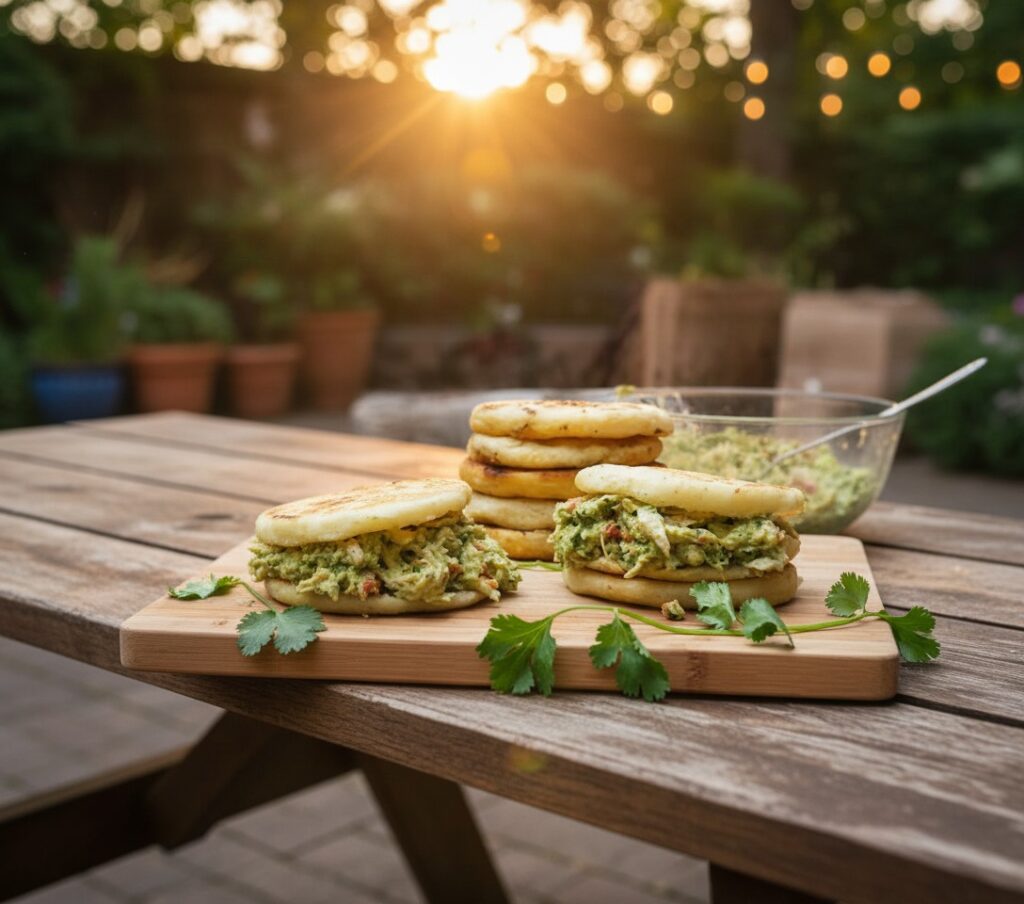
Arepas
- Corn cakes (think thick tortilla)
- Base of Colombian breakfast
- Street vendors sell them hot
- Eat with cheese, eggs, or meat
- When: Breakfast, anytime snack
- Where: Street carts, casual spots
- Cost: Cheapest food option
Bandeja Paisa
- Massive plate: beans, rice, ground meat, chorizo, egg, plantain, avocado
- Colombia’s most famous dish
- Designed for farmers (huge portions)
- When: Lunch (you’ll need siesta after)
- Where: Casual Colombian restaurants
- Cost: Moderate
Pargo Rojo (Red Snapper)
- Whole fried fish
- Caribbean coast specialty
- Served with rice, plantains, salad
- When: Lunch, dinner
- Where: Seafood restaurants, beach spots
- Cost: Moderate to high

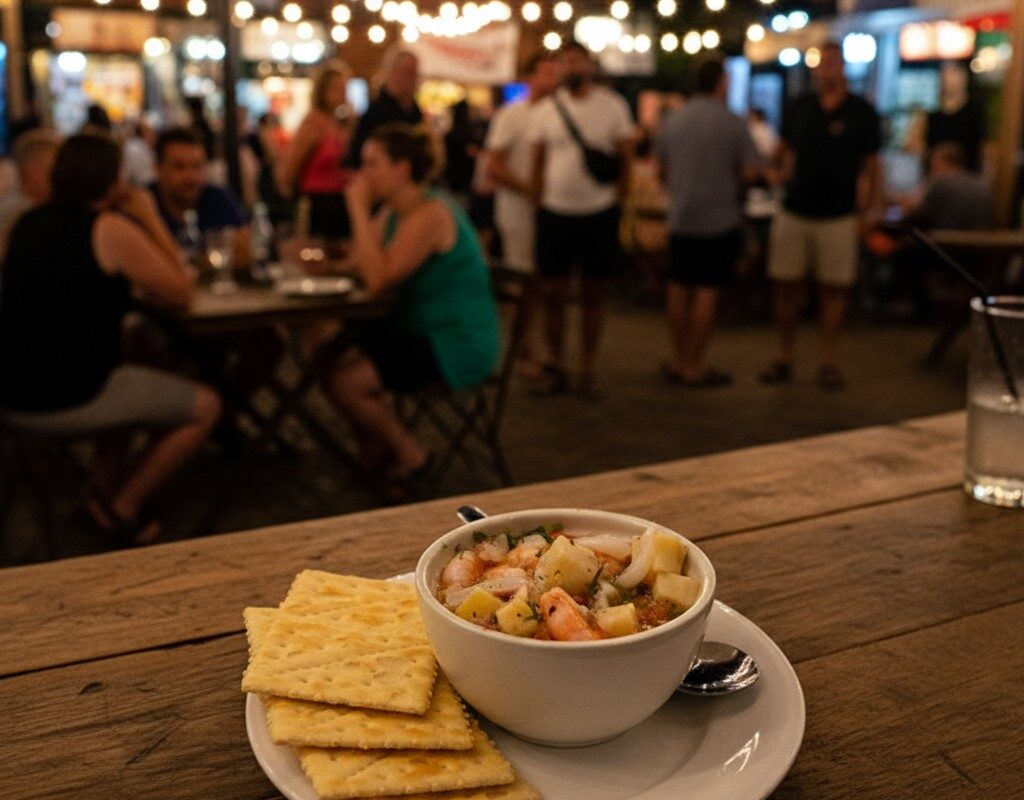
Ceviche
- Fresh fish marinated in citrus
- Caribbean version (different from Peruvian)
- Served with crackers
- When: Lunch, appetizer
- Where: Seafood spots, beach restaurants
- Cost: Moderate

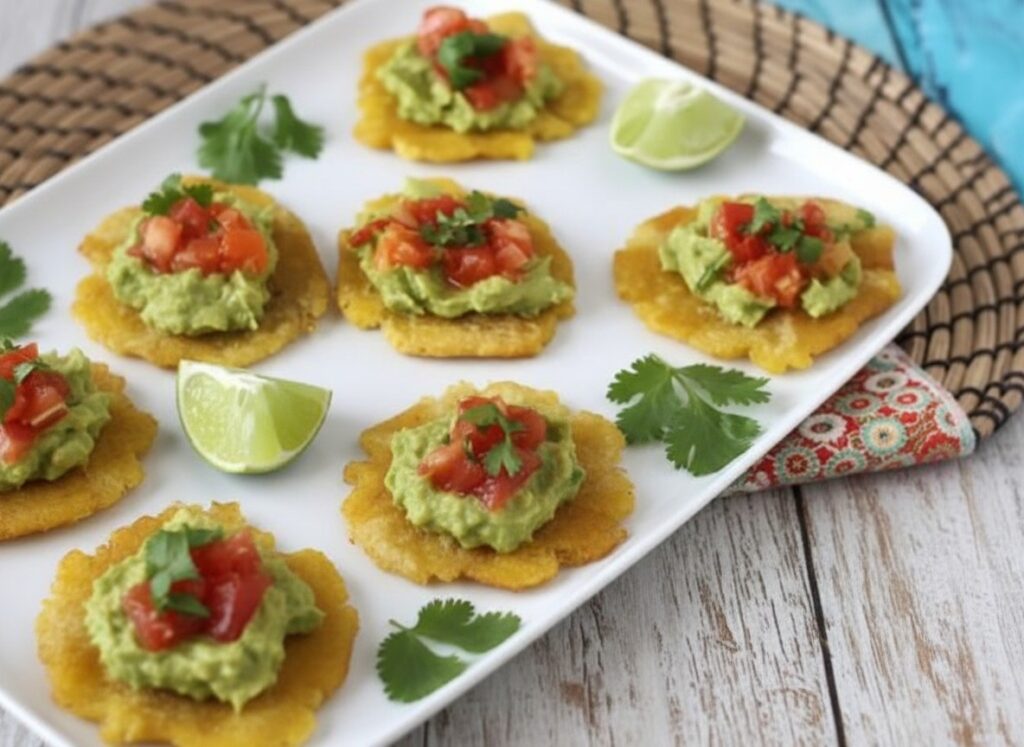
Patacones
- Fried plantain discs
- Often used as base for toppings
- Addictive crunch
- When: Side dish, snack, appetizer
- Where: Everywhere
- Cost: Cheap
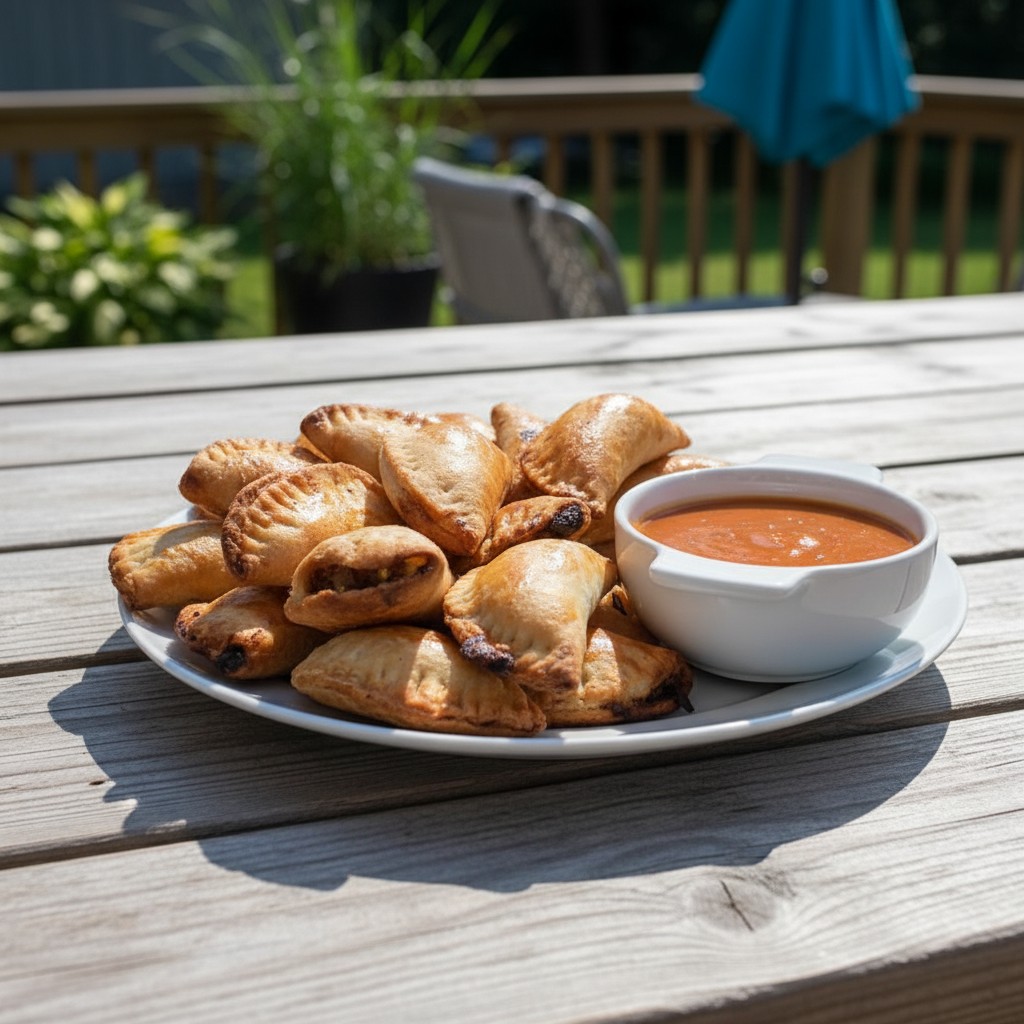
Empanadas
- Fried pastry pockets
- Filled with meat, cheese, or potatoes
- Street food staple
- When: Breakfast, snack
- Where: Street vendors
- Cost: Very cheap
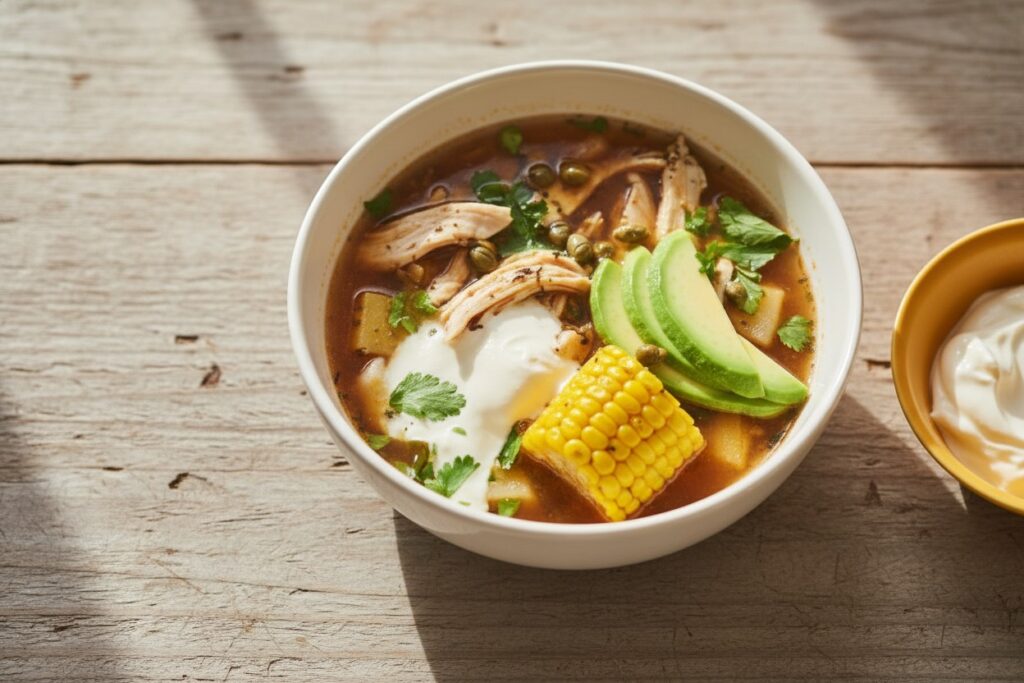
Ajiaco (if available)
- Chicken and potato soup
- More common in Bogotá but some Cartagena spots serve it
- Comfort food
- When: Dinner
- Where: Traditional restaurants
- Cost: Moderate
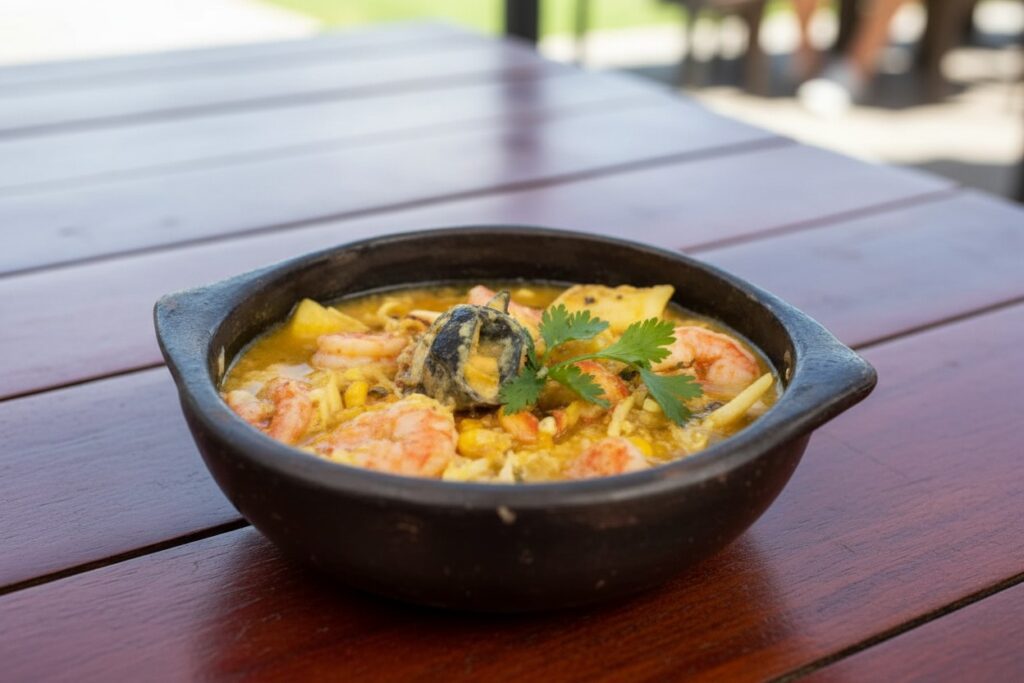
Cazuela de Mariscos
- Seafood stew in coconut milk
- Cartagena specialty
- Creamy, rich, delicious
- When: Lunch, dinner
- Where: Seafood restaurants
- Cost: Moderate to high
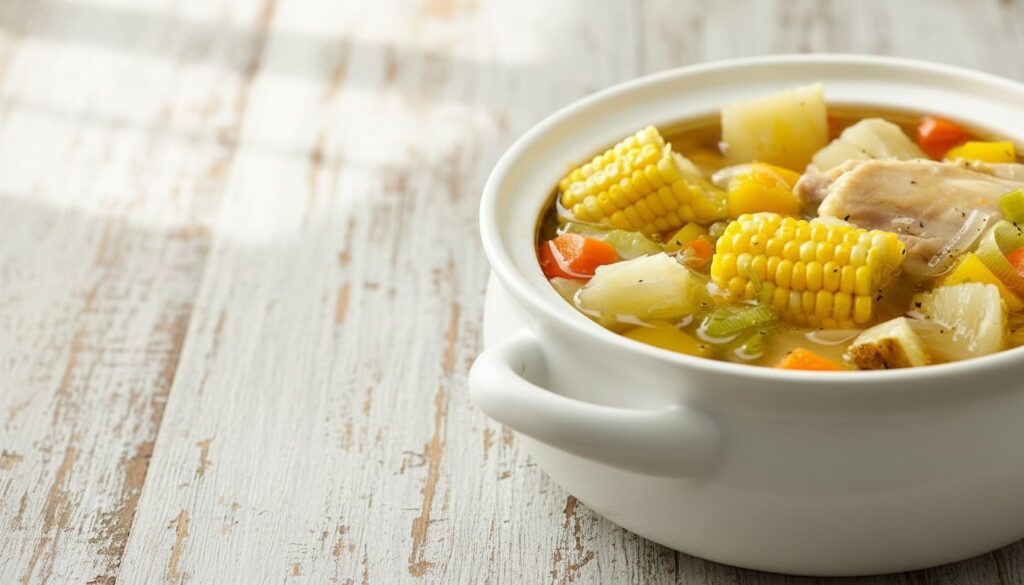
Sancocho
- Hearty soup with meat, yuca, plantains
- Different versions (fish, chicken, beef)
- Local comfort food
- When: Lunch
- Where: Traditional spots
- Cost: Cheap to moderate
Tropical Fruits & Juices:
Fresh juices (jugos naturales) everywhere:
- Lulo (citrusy, unique)
- Guanábana (soursop – creamy, sweet)
- Maracuyá (passion fruit – tart)
- Mango (incredible when in season)
- Mora (blackberry)
- Guayaba (guava)
Pattern: Fresh juice stands are ubiquitous. Try fruits you’ve never heard of. Almost all are delicious.
Restaurant Categories: How to Choose
Instead of specific names, understand restaurant types:
Category 1: Fine Dining (Splurge Meals)
What you get:
- Upscale ambiance
- Creative takes on Colombian/Caribbean food
- Wine lists
- Excellent service
- Romantic settings
Cost pattern:
- 5-8x street food equivalent
- Still less than Western fine dining
- Dinner significantly more than lunch
When to go:
- Special occasion dinners
- Romantic nights
- When you want complete experience
Where concentrated:
- Old Town (highest concentration)
- Some in Getsemaní (slightly less expensive)
Strategy:
- Lunch specials often available (40-60% less)
- Reserve ahead for top spots
- Dress code matters (smart casual minimum)
Examples of what to expect:
- Upscale seafood preparations
- Colombian ingredients, modern techniques
- Wine pairings available
- Multi-course tasting menus
Category 2: Mid-Range Restaurants (Daily Dining)
What you get:
- Good quality Colombian/international food
- Comfortable but not fancy
- English menus usually available
- A/C indoor seating
Cost pattern:
- 2-3x street food
- Lunch specials (menú del día) offer best value
- Mix of locals and tourists
When to go:
- Regular lunches and dinners
- Safe bets for quality
- When street food feels too casual
Where concentrated:
- Getsemaní (best value)
- Old Town (slight premium)
- Bocagrande (limited options)
Strategy:
- Menú del día for lunch (excellent value)
- Happy hours (2-for-1 drinks, app discounts)
- Check daily specials
Category 3: Casual Local Spots (Authentic Experience)
What you get:
- Home-style Colombian cooking
- Locals eating there (good sign)
- Minimal English
- No frills atmosphere
- Generous portions
Cost pattern:
- 1.5-2x street food
- Excellent value for quality
- Menú del día even cheaper
When to go:
- Lunch (when menú del día available)
- When you want authentic experience
- Budget-conscious meals
Where concentrated:
- Getsemaní side streets
- Residential areas
- Near markets
Strategy:
- Point at what others are eating if language barrier
- Menú del día is always safe bet
- Cash only typically
Category 4: Street Food (Best Value)
What you get:
- Authentic Colombian snacks/meals
- Incredibly cheap
- Made-to-order fresh
- Standing/bench seating
- Zero English
Cost pattern:
- Cheapest food option
- 5-8x less than fine dining for different but satisfying food
When to go:
- Breakfast (arepas, empanadas)
- Snacks between meals
- Late night post-drinking
- When budget matters
Where concentrated:
- Getsemaní Plaza Trinidad
- Market areas
- Street corners everywhere
Strategy:
- Watch where locals line up
- Point and smile if language barrier
- Have small bills ready
- Eat hot/cooked food (safer than raw)
Geographic Food Price Patterns
Location determines what you pay for similar quality:
Old Town (Centro Histórico) – Highest Prices:
Pattern:
- Tourist pricing (30-50% premium vs Getsemaní)
- Same meal costs more just for location
- Quality often good but you’re paying for setting
When it makes sense:
- Special dinners (ambiance worth premium)
- Convenience (you’re already there)
- Specific top restaurants only in Old Town
When to avoid:
- Daily casual meals (overpaying)
- Budget travel (walk to Getsemaní)
- Lunch (Getsemaní has better value)
Getsemaní – Best Value:
Pattern:
- 30-50% cheaper than Old Town for similar quality
- Mix of tourist and local spots
- More variety
- Better food scene honestly
Specific areas:
- Calle del Arsenal / Media Luna: Restaurant row, many options
- Plaza Trinidad: Street food, casual spots
- Calle del Guerrero: Mix of upscale and casual
When to eat here:
- Most of your meals (best bang for buck)
- Breakfast, lunch, dinner all work
- Budget travelers especially
Bocagrande – Limited & Expensive:
Pattern:
- Hotel restaurants (overpriced)
- Chain restaurants (generic)
- Limited local options
- Tourist pricing without Old Town charm
When to eat here:
- If you’re staying there and lazy
- Otherwise: Uber to Getsemaní
Local Neighborhoods (Cheapest):
Pattern:
- Manzanillo, La Boquilla beach restaurants
- Local Colombian prices (significantly cheaper)
- Fresh seafood
- Zero English
When to visit:
- Beach day trips (lunch there)
- Authentic experience
- Budget priority
For complete beach comparison including which have good restaurants, see our beaches guide.
Meal Time Strategies
When you eat matters as much as where:
Breakfast Strategy:
Budget Option:
- Street arepas with cheese/eggs
- Empanadas from vendors
- Fresh juice from stands
- Cost: Very cheap
Mid-Range Option:
- Cafe breakfast (eggs, arepa, juice, coffee)
- Local bakeries (pan de bono, almojábanas)
- Cost: Moderate
Premium Option:
- Hotel breakfast (if included – best value)
- Upscale cafe
- Cost: Higher but often worth it if well-executed
Smart move: Hotels with breakfast included save money and time.
Lunch Strategy (CRITICAL FOR BUDGET):
The Secret: Menú del Día
Colombian restaurants offer lunch specials:
- Fixed menu (soup, main, drink, sometimes dessert)
- 40-60% cheaper than dinner à la carte
- Same quality food
- Available roughly 12-3 PM
- Locals use this extensively
How it works:
- Walk into any Colombian restaurant at lunch
- Ask “¿Hay menú del día?”
- They’ll describe options (usually 2-3 mains)
- You get complete meal for fraction of dinner cost
Example pattern:
- Same restaurant, same chef, same ingredients
- Lunch menú del día: 1x cost
- Dinner à la carte: 2.5-3x cost
Strategy: Eat your big meal at lunch via menú del día, light dinner = massive savings without sacrificing quality.
Dinner Strategy:
Budget nights:
- Casual Getsemaní spots
- Street food (patacones, empanadas)
- Pizza/casual international
- Cost: Low
Mid-range nights:
- Nice Getsemaní restaurants
- Cocktails at good bars
- Seafood places
- Cost: Moderate
Splurge nights:
- Top restaurants (1-2 per trip)
- Rooftop dining
- Fine dining experiences
- Cost: High (but worth it occasionally)
Pattern: Most visitors do 2 budget dinners, 2-3 mid-range, 1 splurge across a week.
Street Food Deep Dive
Street food deserves special attention:
Where to Find It:
Best areas:
- Getsemaní Plaza Trinidad (evening)
- Around Parque Centenario
- Market areas
- Beach entrances
When available:
- Breakfast: 6-10 AM (arepas, empanadas)
- Lunch: 12-2 PM (various)
- Evening: 6 PM-midnight (snacks, late night food)
What to Try:
Arepas con Queso
- Grilled corn cake with cheese
- Breakfast staple
- Hot, filling, delicious
- Safety: Very safe (cooked fresh)
Empanadas
- Fried pockets (meat, cheese, potato)
- Served with ají (hot sauce)
- Breakfast or snack
- Safety: Safe if fried fresh
Patacones con Todo
- Fried plantain base
- Topped with meat, cheese, veggies, sauces
- Messy, amazing
- Safety: Generally safe
Buñuelos
- Fried cheese balls
- Crispy outside, gooey inside
- Addictive
- Safety: Very safe (fried)
Obleas
- Wafer sandwich with dulce de leche
- Sweet street snack
- Safety: Safe
Mazorca Desgranada
- Corn kernels with cheese, sauces
- Popular snack
- Safety: Generally safe if fresh
Street Food Safety:
Generally safe: ✅ Anything cooked to order in front of you
✅ Fried foods (high heat kills bacteria)
✅ Popular stands (high turnover = fresh)
✅ Where locals line up
Proceed with caution: ⚠️ Pre-made items sitting out
⚠️ Raw ingredients in hot climate
⚠️ Unpopular stands (old food)
⚠️ Anything with mayo/dairy in heat
Skip: ❌ Ceviche from street vendors (raw fish + heat = risk)
❌ Street cart ice of unknown origin (restaurant ice is purified and fine)
❌ Pre-cut fruit sitting out
Rule: If it’s fried fresh or cooked to order, you’re probably fine. Your stomach may need a day to adjust but street food is how locals eat.
Markets: Budget Food Shopping
Cartagena has several markets:
Bazurto Market
What it is:
- Massive local market
- Meat, fish, produce, everything
- Authentic Colombian experience
- Rough around edges
Why go:
- See local life
- Fresh fruit incredibly cheap
- Buy snacks for beach days
- Cultural experience
Safety note:
- Go with guide or local if first time
- Day only (not safe at night)
- Watch belongings
- Don’t flash valuables
Food strategy:
- Buy tropical fruits
- Fresh juice stands
- Empanadas, local snacks
- Not really for sit-down meals
Small Neighborhood Markets:
Scattered throughout:
- Getsemaní has small produce vendors
- Local tiendas sell snacks, drinks
- Supermarkets (Éxito, Carulla) for packaged goods
When useful:
- Buying water, snacks
- Beach day supplies
- Apartment/Airbnb cooking
Coffee Culture
Colombia = coffee. Here’s what to know:
Coffee Quality:
Surprising reality:
- Best Colombian coffee is exported
- Locals drink tinto, small cups of brewed black coffee poured from street thermoses, usually low-grade beans sweetened with panela, 1,000 to 2,000 COP a cup
- Tourist cafes have better coffee than local spots
Where to get good coffee:
- Specialty cafes (Getsemaní has several)
- Upscale hotels
- Fine dining restaurants
Local coffee (tinto):
- Small, strong, sweet
- Vendors sell from thermoses
- Very cheap
- Not specialty coffee but authentic experience
Coffee Drinks:
Tinto – Black coffee (often pre-sweetened)
Café con leche – Coffee with milk
Americano – Espresso with water
Cappuccino – Available at tourist cafes
Pattern: Specialty cafes charge more but deliver actual good coffee. Street tinto is cultural experience, not coffee snob satisfaction.
Dietary Restrictions
Colombian food is meat-heavy:
Vegetarian:
Challenge:
- Meat central to cuisine
- “Vegetariano” sometimes includes chicken/fish
- Many dishes have hidden meat products
What works:
- Arepas with cheese
- Patacones
- Rice and beans (check if cooked with meat)
- Tropical fruits
- Some pasta/pizza options
Strategy:
- Upscale restaurants have veggie options
- Explain clearly: “Sin carne, sin pollo, sin pescado”
- Getsemaní has more international options
Vegan:
Harder but possible:
- Very limited traditional options
- Some dedicated vegan cafes in Getsemaní
- International restaurants help
- Fruit and juice abundant
Strategy:
- Research ahead
- Seek out specific vegan-friendly spots
- Be prepared to repeat meals
Gluten-Free:
Moderately easy:
- Rice-based culture helps
- Arepas are corn (naturally GF)
- Grilled meats/fish safe
- Watch for hidden wheat
Challenge:
- Cross-contamination in street food
- Sauces may contain wheat
Allergies:
Reality:
- Explaining allergies difficult (language barrier)
- Street food risky
- Upscale restaurants better equipped
- Bring translation card in Spanish
Drinking in Cartagena
Beyond food, beverages matter:
Water:
Cartagena’s tap water is officially certified as drinkable, and the utility reports one of the best water risk scores in Colombia. Most visitors still stick to bottled water, because microflora your stomach has never met and older pipes in some districts can still ruin a day.
- Bottled water is cheap and everywhere, check the seal is intact
- Ice in restaurants and bars is made from purified water and is fine
- Street cart ice of unknown origin is the one to skip
Beer:
Local beers:
- Aguila (most common)
- Club Colombia (slightly upscale)
- Poker
- Cheap everywhere
Cost pattern:
- Tienda (corner store): Cheapest
- Casual bar: 2x tienda
- Upscale bar: 4-5x tienda
Cocktails:
Try:
- Coco loco (coconut with rum)
- Aguardiente (anise-flavored liquor, national drink)
- Caribbean rum cocktails
Where:
- Rooftop bars (premium prices, great views)
- Casual bars (moderate)
- Beach vendors (cheap but quality varies)
Warning: Don’t accept drinks from strangers (scopolamine risk real).
For complete nightlife guide including best bars and safety tips, see our Cartagena nightlife guide.
Food Comparison Matrix
Quick reference for food planning:
🍽️ Cartagena Food Options at a Glance
| Food Type | Cost Level | Best Time | Best Location | Authenticity | Best For |
|---|---|---|---|---|---|
| Street Food Arepas, empanadas, etc |
💰 Cheapest |
Breakfast: 6-10 AM
Evening: 6 PM+
|
Plaza Trinidad, markets, street corners | ⭐⭐⭐⭐⭐ Most authentic |
Budget travelers, breakfast, snacks, cultural experience |
| Casual Local Home-style Colombian |
💰💰 Very cheap |
Lunch best
Menú del día available
|
Getsemaní side streets, residential areas | ⭐⭐⭐⭐ Very authentic |
Best value for quality, menú del día strategy, authentic meals |
| Mid-Range Good quality, tourist-friendly |
💰💰💰 Moderate |
Lunch: Specials
Dinner: Full menu
|
Getsemaní (best value), Old Town (premium) | ⭐⭐⭐ Good quality |
Daily dining, safe bets, English menus, A/C comfort |
| Fine Dining Upscale restaurants |
💰💰💰💰 Expensive |
Lunch = 40-60% less
Dinner: Full experience
|
Old Town concentration, some in Getsemaní | ⭐⭐⭐⭐ Creative takes |
Special occasions, 1-2 splurge meals, romantic dinners |
| Beach Seafood Manzanillo, La Boquilla |
💰💰 Cheap |
Lunch best
Fresh catch
|
Northern beaches (need taxi) | ⭐⭐⭐⭐⭐ Very authentic |
Beach days, fresh seafood, local experience, budget |
| Hotel Restaurants Bocagrande, upscale hotels |
💰💰💰💰💰 Most expensive |
Breakfast if included
Otherwise avoid
|
Bocagrande, luxury hotels | ⭐⭐ Generic |
Convenience when tired, breakfast if included, otherwise skip |
- Best value? → Menú del día at casual local spots (lunch)
- Most authentic? → Street food + beach seafood
- Safest bet? → Mid-range Getsemaní restaurants
- Special dinner? → Fine dining, but do lunch special if budget matters
- Skip entirely? → Hotel restaurants (unless breakfast included)
Common Food Mistakes
What tourists get wrong:
Mistake #1: Eating Only in Old Town
The trap: “I’m staying in Old Town, may as well eat here”
The cost: 40-50% premium for same quality
The fix: Walk 10 min to Getsemaní for most meals
Mistake #2: Ignoring Menú del Día
The trap: Ordering à la carte at lunch
The cost: 2-3x what locals pay for same meal
The fix: Ask “¿Hay menú del día?” at every Colombian restaurant at lunch
Mistake #3: Avoiding Street Food
The trap: “Street food will make me sick”
The reality: Locals eat it daily, it’s safe if chosen wisely
The fix: Start with fried foods, watch where locals line up, ease in gradually
Mistake #4: Only Eating Colombian
The trap: “I should only eat local food”
The reality: Cartagena has excellent international food, variety is good
The fix: Mix Colombian with Italian, Asian, etc. – keeps meals interesting
Mistake #5: Splurging Every Dinner
The trap: “I’m on vacation, treat myself every night”
The cost: Food budget explodes
The fix: 2 budget, 2-3 mid-range, 1 splurge dinner per week = balanced
Mistake #6: Not Trying Local Fruits
The trap: Stick to familiar foods
The opportunity cost: Missing incredible tropical fruits
The fix: Fresh juice stands everywhere – try everything
The Honest Takeaway
Cartagena food scene offers excellent range from dirt-cheap street food to world-class dining, and the smart strategy isn’t eating expensive or eating cheap – it’s knowing when to do each:
The menú del día is your secret weapon. Colombian restaurants offer complete lunch specials for 40-60% less than dinner à la carte. Same kitchen, same ingredients, same quality. Locals use this extensively. You should too. Eat your big meal at lunch via menú del día, then light dinner = savings without sacrifice.
Geography determines cost more than quality. The same seafood dish costs 40-50% more in Old Town tourist restaurants than in Getsemaní spots three blocks away. Same fish, same preparation. You’re paying for colonial building ambiance. That’s fine for special dinners, wasteful for daily meals.
Street food is delicious, safe, and authentic if you choose wisely. Anything cooked fresh in front of you is probably fine. Fried foods are safest. Watch where locals line up. Your stomach needs a day to adjust but Colombian street food is how regular people eat and it’s genuinely good.
The pattern that works: Street food breakfasts (arepas, empanadas), menú del día lunches at casual spots, mix of casual and nice dinners in Getsemaní, 1-2 splurge meals at top restaurants across your trip. This gives you authentic experience, good variety, excellent quality, and reasonable costs.
Don’t make it complicated. Colombian food isn’t exotic or difficult – it’s fresh ingredients prepared simply. Grilled seafood, rice and beans, fried plantains, tropical fruits. It’s comfort food that happens to be delicious and affordable.
The biggest food mistakes are eating in wrong locations (Old Town premium vs Getsemaní value), wrong times (dinner vs lunch special), and wrong assumptions (avoiding street food, missing menú del día). Fix those patterns and you’ll eat incredibly well without overspending.
Planning your complete eating schedule? See how meals integrate into daily itineraries in our 3-day Cartagena guide, which shows realistic breakfast/lunch/dinner timing and location strategies. For restaurant discovery and reviews, check TripAdvisor Cartagena restaurants.
Frequently Asked Questions: Cartagena Food
What is the must-try food in Cartagena?
Don’t leave without trying: ceviche (fresh seafood marinated in lime), patacones (fried green plantains), arepas de huevo (fried corn cakes with egg inside), cazuela de mariscos (creamy seafood stew), and fresh tropical fruit from street vendors. For a full meal, the menú del día (lunch special) at local restaurants gives soup, main course, juice, and dessert for 15,000 to 20,000 COP, about $5 to 7 (2026).
Where is the best place to eat in Cartagena?
Getsemaní has Cartagena’s best food-to-price ratio — excellent restaurants at 30–50% less than Old Town. Plaza de la Trinidad and surrounding blocks have great options. Old Town (San Diego neighborhood) has upscale dining with more atmosphere but premium prices. Avoid tourist trap restaurants directly on the main plazas with laminated menus and touts outside.
Is street food safe to eat in Cartagena?
Generally yes — Colombian street food is a staple of local culture. Choose vendors with high turnover (fresh food moves fast), look for busy stalls frequented by locals, and stick to cooked items when uncertain. Avoid pre-cut fruit sitting in the sun for hours. Most food travelers eat street food regularly in Cartagena without issues.
What is a menú del día in Cartagena?
The menú del día (or almuerzo corriente) is the Colombian lunch special, available at local restaurants from 12–3 PM. Typically includes: sopa (soup), a main course (fish, chicken, or beef with rice, beans, and salad), a fresh juice, and sometimes dessert, all for 15,000 to 20,000 COP, about $5 to 7 (2026). It’s the single best food value in Cartagena and what locals eat every day.
How much does food cost in Cartagena?
Street food and snacks: $1 to 3. A menu del dia at a local spot: 15,000 to 20,000 COP, about $5 to 7. Mid-range restaurant meal: $10 to 18. Upscale Old Town dining: $35 to 60 per person, and tasting menus at the top tables run $70 to 100. A beer at a local bar: $2 to 3. A cocktail at an Old Town rooftop bar: 40,000 to 60,000 COP, about $13 to 20, after the January 2026 spirits tax rise. Budget travelers eating local can manage $15 to 20 a day on food; mid-range dining runs $35 to 55 a day (rates as of August 2026).
Are there vegetarian options in Cartagena?
Yes, though Cartagena is a seafood city and menus lean heavily toward fish and meat. Vegetarian-friendly options include arepas, patacones, rice and bean dishes, fresh fruit, coconut rice, and many salads. Getsemaní has the most vegetarian-friendly restaurants. Mention “soy vegetariano/a” when ordering — most restaurants can adapt dishes. Dedicated vegan restaurants are limited but growing.
Related Guides
For complete trip planning:
- 3-Day Cartagena Itinerary – Meal timing in daily schedule
- Cartagena Budget Guide – Food cost patterns and strategies
- Where to Stay in Cartagena – Neighborhood food access
- Things to Do in Cartagena – Combining food with activities
- Cartagena Nightlife Guide – Bars and drinking scene
- Is Cartagena Safe? – Street food safety tips
- Getting Around Cartagena – Transport to restaurants
- Cartagena Beaches Guide – Beach restaurant options