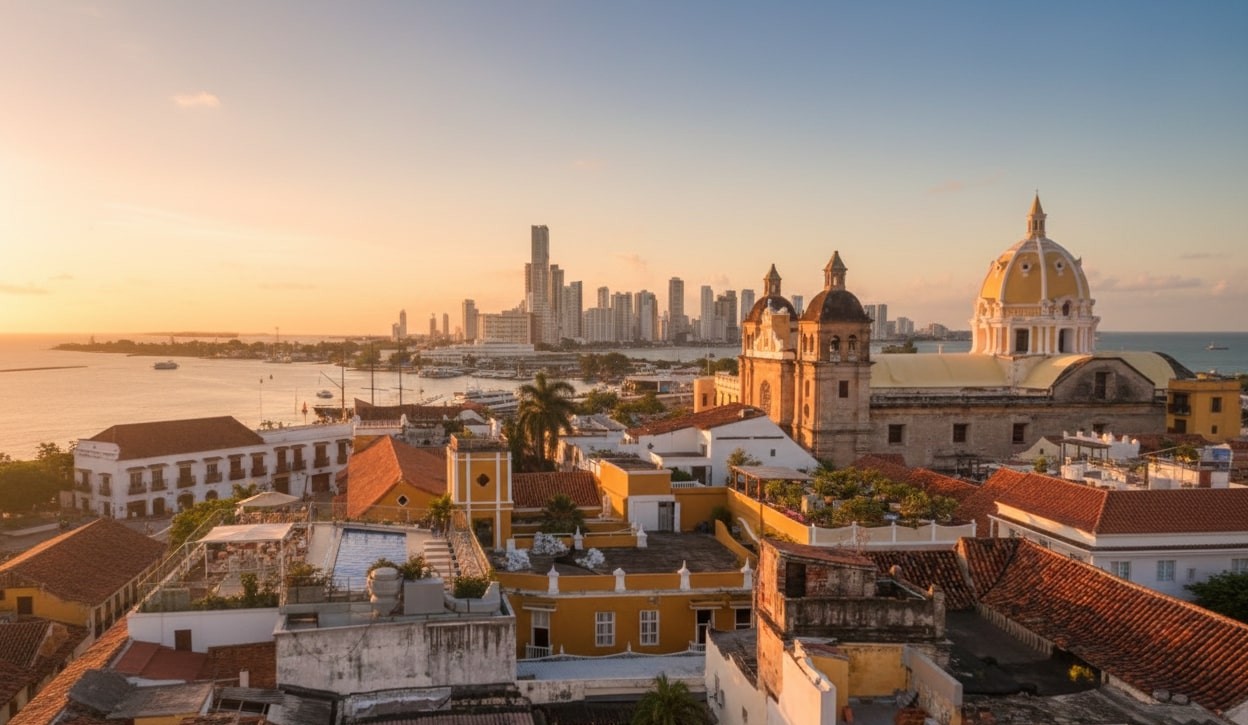
Every Cartagena budget guide lists specific prices that are outdated within months. “Dinner costs $15-25,” they say, without mentioning that same restaurant is $8 if you order the lunch special, $45 if you come during Christmas week, and whether you’re eating in the tourist Old Town or local Getsemaní determines if you’re paying double for identical food.
Cartagena accommodates every budget from backpacker to luxury, but the cost spread is enormous – a budget traveler and a premium traveler visiting the same week can spend 10x different amounts. The biggest cost variables are timing (peak vs low season = 2-3x multiplier), neighborhood choice (Old Town vs Getsemaní = 40-50% difference), and activity selection (free walking vs island tours). Most visitors fall into mid-range spending, which delivers excellent Cartagena experience without luxury pricing.
This guide breaks down cost patterns by category (accommodation, food, activities, transport), reveals the seasonal multipliers that matter more than specific prices, shows you where to save and where spending extra actually improves your experience, and provides budget frameworks for different traveler types without listing prices that will be wrong in six months.
Planning your spending strategy? After understanding budget patterns, see our 3-day itinerary to understand how costs accumulate across days, or check our neighborhood guide to see how location choice affects your daily expenses.
Is Cartagena expensive?
Not by North American or European standards, but yes by Colombian ones. Budget travelers manage on $50-80 a day, mid-range runs $120-200, and comfortable travel starts around $250. Cartagena is the priciest city in Colombia for visitors, and the walled Old Town is the priciest part of Cartagena.
Two decisions set almost the whole bill. Where you sleep fixes your floor, and where you eat sets your ceiling. An almuerzo at a local restaurant runs about $5, while an upscale Old Town dinner runs $25-45 per person, so a couple eating one tourist meal a day can spend more on food than a hostel bed costs.
Everything else is smaller than people expect. Castillo San Felipe is 38,000 COP, about $12 and a Rosario Islands day trip runs $35-60, so a full week of paid attractions rarely rivals a few nights of Old Town accommodation.
Is this the same as the cost of living in Cartagena?
No, and the two figures are not comparable. This guide prices a visit: nightly hotel rates, restaurant meals and tour tickets. Living here replaces all three with monthly rent, grocery shopping and daily local transport, which changes the arithmetic rather than just scaling it down.
If you are researching a move or a long stay, treat the daily numbers here as a ceiling, not a guide. Visitors pay tourist rates on the two largest line items, accommodation and food, and residents mostly do not. Our Cartagena cost of living guide has the monthly numbers: rent by neighbourhood, utilities and the air conditioning bill.
Understanding Cartagena’s Cost Structure

Cartagena offers a wide range of costs depending on where you stay, eat, and how you get around — understanding the structure helps you plan a realistic budget.
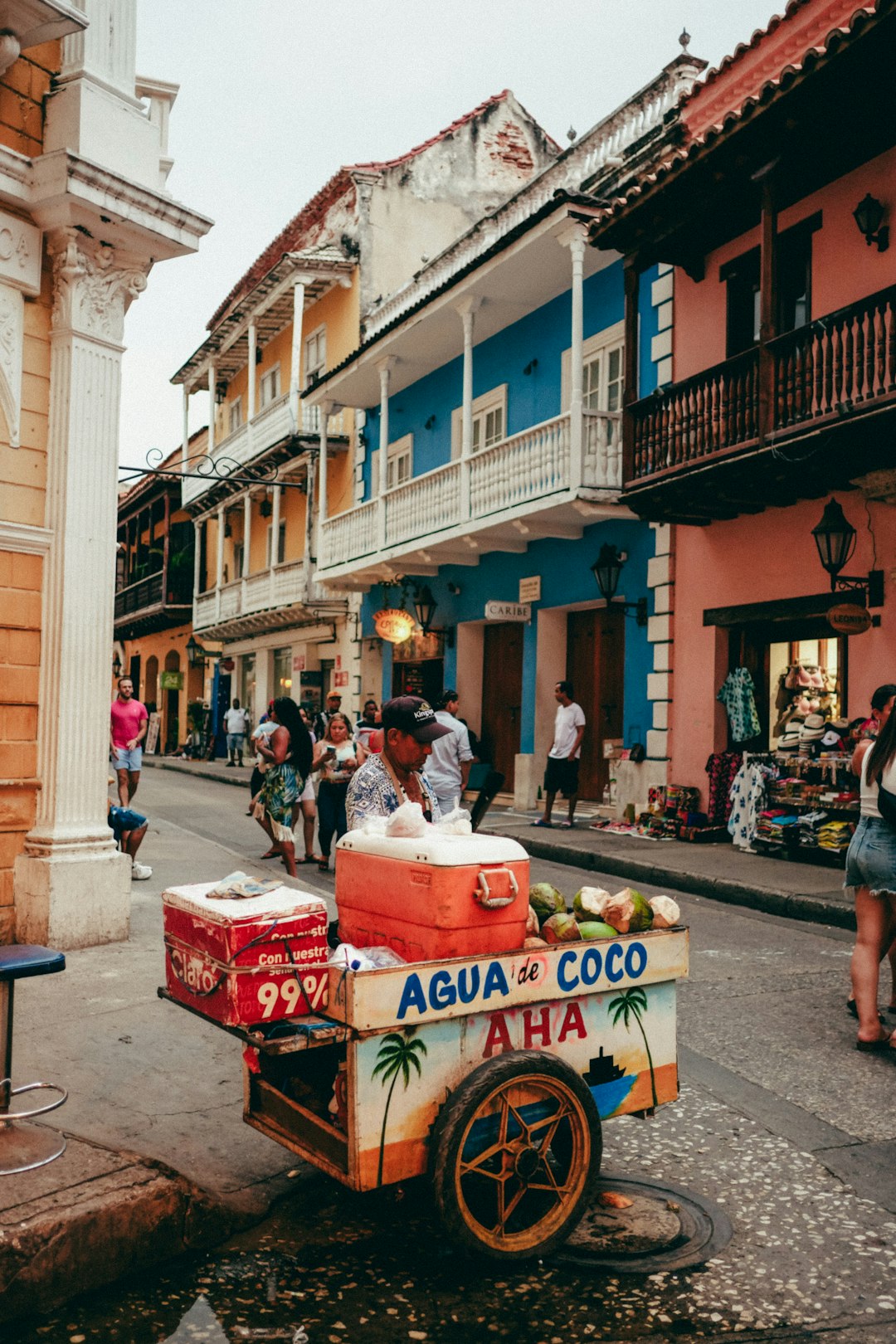
Before diving into specific categories, understand the fundamental patterns:
The Budget Tiers:
Budget Tier (Backpacker/Hostel):
- Hostels, street food, free activities, walking everywhere
- Achievable but requires discipline and trade-offs
Mid-Range Tier (Most Visitors):
- Boutique hotels, mix of casual and nice restaurants, key paid tours, Uber liberally
- Sweet spot for quality experience without luxury prices
Premium Tier (Upscale):
- Luxury hotels, fine dining, private tours, no expense concerns
- Significantly more expensive but still cheaper than Europe/US equivalents
The spread: Premium costs roughly 5-7x budget tier, mid-range sits around 2-2.5x budget tier.
Seasonal Cost Multipliers (THIS MATTERS MORE THAN BASE PRICES):

Peak Season (Dec 16 – Jan 15):
- Hotels: 2.5-3x base rate
- Tours: 1.5-2x normal
- Restaurants: Peak pricing, no discounts
- Overall multiplier: ~2.5x
High Season (Jan 16 – March):
- Hotels: 1.5-2x base
- Tours: Normal to slight premium
- Overall multiplier: ~1.7x
Shoulder Season (April-May, November):
- Hotels: 1-1.3x base
- Tours: Normal pricing
- Some deals emerging
- Overall multiplier: ~1.1x
Low Season (June-October):
- Hotels: 0.7-0.9x base (actual discounts!)
- Tours: Competitive pricing, deals
- Restaurants: Lunch specials, happy hours
- Overall multiplier: ~0.8x
Critical insight: A budget traveler in low season can match mid-range quality for less than a mid-range traveler pays in peak season. Timing is the biggest budget lever you control.
For complete month-by-month breakdown of crowd levels and weather that affects value, see our when to visit guide.
Geographic Cost Multipliers:
Old Town (Most Expensive):
- Accommodation: Highest
- Restaurants: Tourist pricing (30-50% premium vs Getsemaní)
- Everything commands location premium
Getsemaní (Best Value):
- Accommodation: 30-50% less than Old Town for similar quality
- Restaurants: Mix of tourist and local = better prices
- Same walkability, better value
Bocagrande (Variable):
- Modern hotels: Often cheaper than Old Town boutiques
- But you Uber constantly (adds up)
- Food options limited (hotel restaurants expensive)
Mainland Beaches/Local Areas (Cheapest):
- If you venture to Manzanillo, La Boquilla
- Local Colombian prices (significantly less)
- But requires transport, time investment
The pattern: Every 10-minute walk from tourist epicenter saves ~15-20% on meals, more on accommodation.
Accommodation: Your Biggest Fixed Cost

Accommodation in Cartagena’s Old Town ranges from budget hostels in Getsemaní to luxury boutique hotels inside the Walled City — your choice here has the biggest impact on your daily spend.

Lodging is typically 35-45% of total budget, and it’s where tier choice matters most:
Budget Tier (Hostels/Basic):
What you get: Browse current availability on Hostelworld for up-to-date hostel pricing.
- Dorm beds or very basic private rooms
- Shared bathrooms common
- Minimal amenities
- Social atmosphere
Location strategy:
- Getsemaní hostels = best value
- Old Town hostels exist but cost more
- Avoid Bocagrande (no good hostels, isolated)
Seasonal variation:
- Low season: Negotiable, walk-up deals possible
- Peak season: Book weeks ahead, limited availability
Mid-Range Tier (Boutique/3-Star):
What you get:
- Private room, private bathroom
- A/C, hot water, Wi-Fi
- Breakfast often included
- Decent service, rooftop/pool
Location strategy:
- Getsemaní boutique hotels = sweet spot (quality at reasonable rates)
- Old Town boutiques = premium but convenient
- Bocagrande modern hotels = similar cost, different vibe
Where to save:
- Book shoulder/low season (dramatic savings)
- Stay in Getsemaní instead of Old Town
- Look for breakfast included (saves daily meal)
Where not to save:
- Don’t book non-refundable too far ahead (plans change)
- Don’t skip A/C (Caribbean heat is miserable without it)
- Don’t choose sketchy neighborhood to save (safety > savings)
Premium Tier (Luxury/Boutique):
What you get:
- High-end restored colonial buildings
- Pool, spa, concierge
- Premium location
- Exceptional service
Location strategy:
- Old Town premium properties = maximum experience
- Some Getsemaní boutiques rival Old Town quality at lower cost
The cost:
- Peak season: Maximum rates
- Even luxury travelers save in low season (30-40% less)
Accommodation Cost Comparison:
Ratio pattern:
- Budget tier: 1x (baseline)
- Mid-range: 2-3x budget
- Premium: 5-7x budget
Example: If budget accommodation costs X per night in low season:
- Same property in peak season: 2.5-3x
- Mid-range in low season: 2x
- Mid-range in peak: 5x
- Premium in peak: 8-10x
Smart strategy: Book mid-range in Getsemaní during shoulder season = quality experience at fraction of Old Town peak pricing.
For detailed neighborhood comparison and how location affects both accommodation costs and daily convenience, see our where to stay guide.
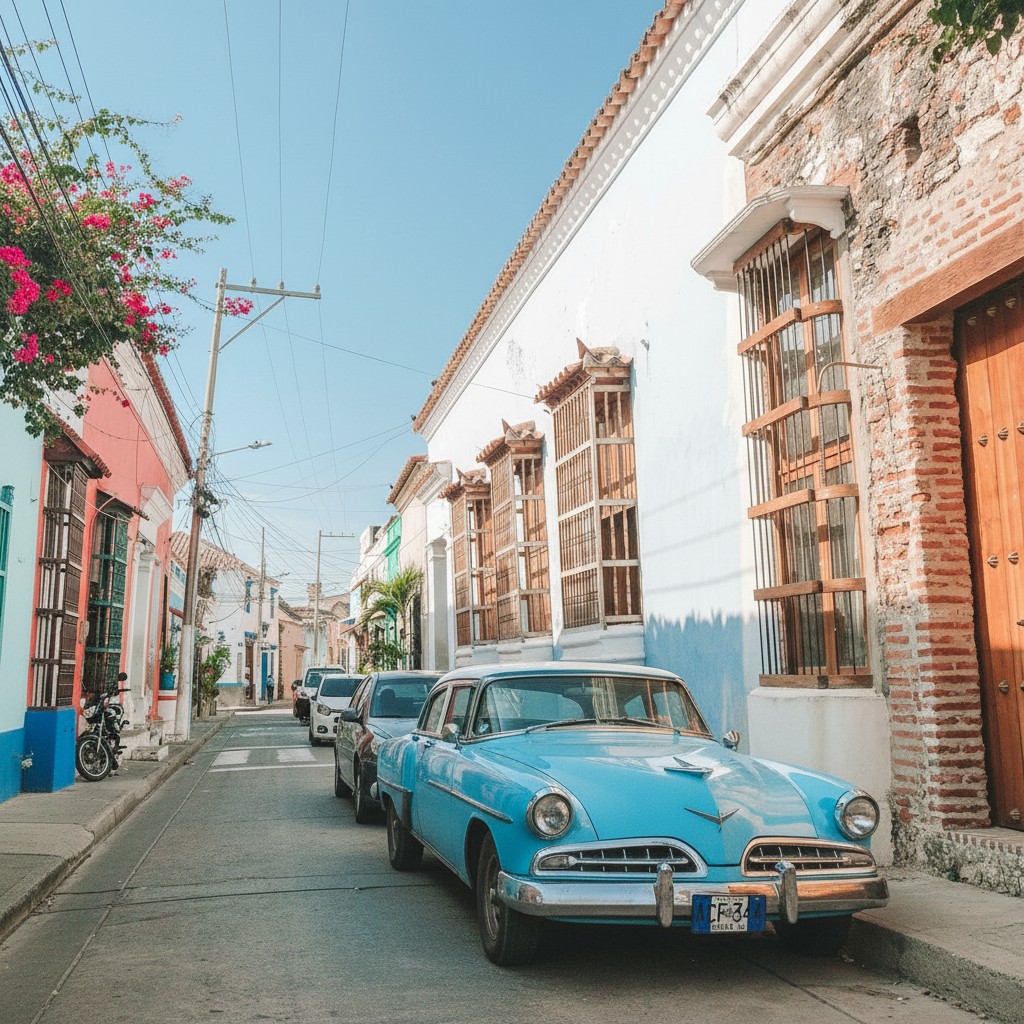
Food: The Category with Most Control
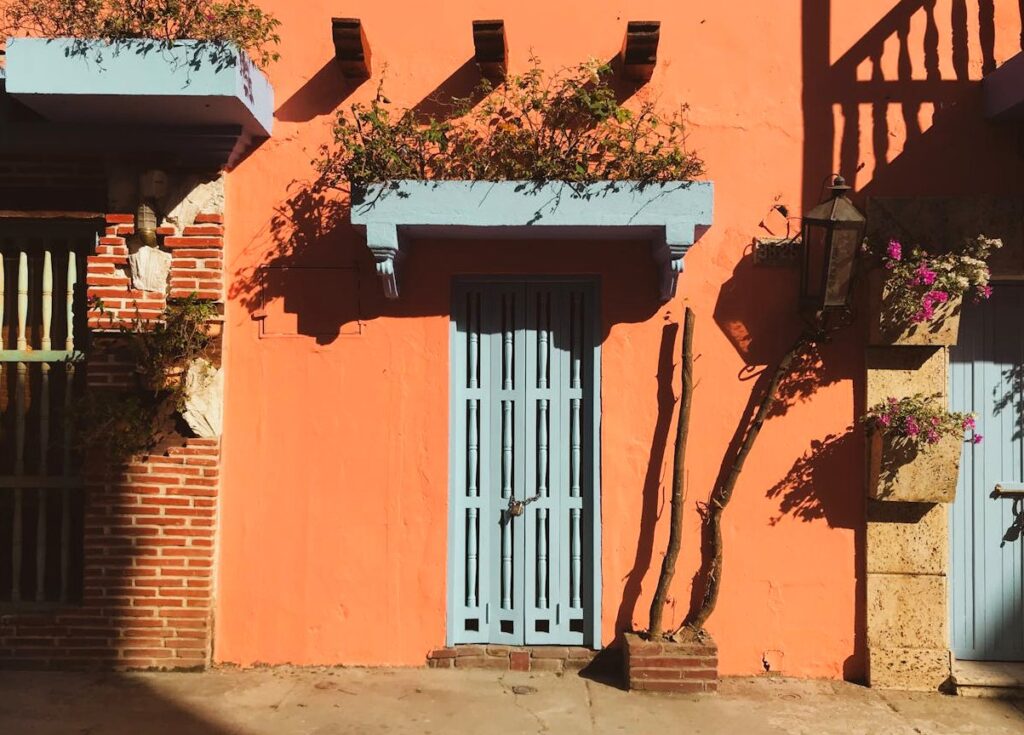
Food costs vary more than any category based on choices:
Budget Eating Strategy:
Street food + casual spots:
- Breakfast: Arepa stands, local cafes
- Lunch: Menú del día (lunch specials at local restaurants)
- Dinner: Casual spots in Getsemaní
- Snacks: Fruit vendors, empanadas
Cost pattern:
- Street meal: Cheapest
- Casual local restaurant: 2-3x street
- Tourist restaurant: 5-8x street
Daily total (budget tier): Can eat well spending modestly if avoiding tourist traps
Mid-Range Eating Strategy:
Mix of casual and nice:
- Breakfast: Hotel (if included) or good cafe
- Lunch: Casual local spots or lunch specials at nice places
- Dinner: Mix of casual (some nights) and upscale (occasional)
- Splurge on 1-2 special dinners
Cost pattern:
- Casual meal: Moderate
- Mid-range restaurant: 1.5-2x casual
- Upscale dinner: 3-4x casual
Where to save:
- Lunch specials at upscale restaurants (same food, 40-60% less)
- Happy hours (2-for-1 drinks, appetizer deals)
- Eat in Getsemaní vs Old Town (same quality, better prices)
Where to splurge:
- Carmen and Lobo de Mar, formerly Agua de Mar (top restaurants worth the premium)
- Rooftop restaurants for experience (pay for view + food)
Premium Eating Strategy:
No budget constraints:
- Top restaurants nightly
- Hotel breakfasts
- Cocktails at premium bars
- Room service
Cost pattern:
- Fine dining: 5-8x casual eating
- Hotel restaurants: Premium pricing
- Room service: Highest markups
Reality check: Even premium dining in Cartagena costs less than equivalent in Western cities.
Food Cost Breakdown by Meal:
Breakfast:
- Street: Cheapest
- Cafe: 2-3x street
- Hotel: 4-6x street (or free if included)
- Smart move: Look for hotels with breakfast included
Lunch:
- Menú del día (lunch special): Great value
- Casual spot: 2x lunch special
- Tourist restaurant: 4-5x lunch special
- Smart move: Big lunch, light dinner saves significantly
Dinner:
- Local spot: Moderate
- Mid-range: 1.5-2x local
- Fine dining: 4-6x local
- Smart move: Eat 2-3 nice dinners, rest casual
Drinks:
- Beer at tienda: Cheapest
- Bar beer: 2-3x tienda
- Cocktail at nice bar: 5-8x tienda beer
- Smart move: Drink at casual spots, splurge on 1-2 fancy cocktail bars
Geographic Food Price Differences:
Same meal, different locations:
- La Boquilla (local beach): 1x (baseline)
- Getsemaní casual: 1.5x
- Getsemaní upscale: 3x
- Old Town casual: 2.5x
- Old Town upscale: 5-6x
- Hotel restaurant: 6-8x
The pattern: Walk 10 minutes from tourist epicenter, food costs drop 30-40%.
For specific restaurant recommendations by category and neighborhood, see our Cartagena food guide.
Activities & Tours: Where You Choose Your Budget
This category has huge flexibility:
Free/Very Cheap Activities:
✅ Walking Old Town (free)
✅ Walking Getsemaní street art (free)
✅ Walking the walls (free)
✅ Beach at Bocagrande (free, just go)
✅ Plaza people-watching (free)
✅ Church exteriors (free, interiors minimal charge)
Budget tier strategy: Maximize free activities, skip paid tours, self-guide everything.
Mid-Tier Activities:
Essential paid activities:
- Castillo San Felipe (entry fee modest)
- Rosario Islands day trip (significant but worth it)
- One or two guided tours (walking tour, food tour)
Cost pattern:
- Museum entries: Minimal
- Walking tours: Moderate (tips-based or fixed low rate)
- Island day trips: Largest single activity expense
- Multi-activity tours: Premium
Where to save:
- DIY castle visit vs guided tour (entry fee only)
- Public boat to islands vs organized tour (logistics harder but cheaper)
- Free walking vs paid tours (trade convenience for savings)
Where to splurge:
- Rosario Islands day trip (worth every penny for quality tour)
- One food tour (learn the cuisine properly)
- Sunset cruise if romantic trip (memorable experience)
Premium Tier Activities:
No constraint approach:
- Private tours (vs group)
- Premium island experiences (private boat, exclusive beach clubs)
- All the activities (don’t skip anything)
- Spa, cooking classes, everything
Cost pattern:
- Group tour: 1x
- Premium group tour: 1.5-2x
- Private tour: 4-6x group
- Exclusive experiences: 8-10x budget equivalent
Activity Cost Hierarchy:
Cheapest → Most Expensive:
- Free walking/exploring: Free
- Museum/castle entries: Minimal
- Walking tours: Low-moderate
- Food tours: Moderate
- Standard island day trips: Significant
- Premium island tours: Higher
- Multi-day packages: Highest
- Private charters/tours: Maximum
Budget strategy: Do free stuff + 1 island trip + maybe 1 other tour = solid experience
Mid-range strategy: Free stuff + island trip + 2-3 other tours = comprehensive
Premium strategy: Everything + private options where available = complete experience
For detailed activity breakdown and which tours deliver best value, see our complete activities guide.
Transport: Cheap But Can Add Up
Transport in Cartagena is genuinely inexpensive:
Budget Strategy:
✅ Walk everywhere possible
✅ Stay in Old Town or Getsemaní (minimize need for transport)
✅ Uber only for castle, airport, necessities
✅ Walk to island dock (vs Uber)
Daily transport spend (budget tier): Very low if staying in walkable core
Mid-Range Strategy:
✅ Walk for Old Town/Getsemaní
✅ Uber liberally for comfort (castle, airport, tired evenings, any heat)
✅ Don’t stress about occasional taxis
✅ Uber to/from airport vs cheaper shuttle
Daily transport spend: Modest (transport is cheap in Cartagena)
Transport Cost Patterns:
Relative costs:
- Walking: Free
- Uber short trip (within tourist zone): Very cheap
- Uber medium (to castle, airport): Still cheap
- Uber long (to northern beaches): Moderate
- Taxi negotiated well: Similar to Uber
- Taxi tourist trap: 2-3x fair price
- Hotel private transfer: 3-5x Uber
Daily averages:
- Budget tier (walk everything): Near zero
- Mid-range (walk + Uber as needed): Low
- Premium (Uber/taxi always): Still modest
The pattern: Transport is so cheap that it shouldn’t be a major budget concern unless you’re extreme budget traveler.
For complete transport breakdown including when to walk vs ride and how to avoid taxi scams, see our getting around guide.
Daily Budget Frameworks
Here’s how costs accumulate per day by tier: Data sourced from Numbeo Cost of Living in Cartagena confirms these patterns hold across traveler reports.
💰 Daily Budget Breakdown by Traveler Type
| Category | Budget Tier Hostels, street food, free activities |
Mid-Range Tier Boutique hotels, mixed dining, key tours |
Premium Tier Luxury hotels, fine dining, all activities |
|---|---|---|---|
| Accommodation |
💰 Low
Hostel dorm or basic private
Getsemaní hostels best value
|
💰💰 Moderate
Boutique hotel, private room
2-3x budget tier
|
💰💰💰 High
Luxury colonial property
5-7x budget tier
|
| Food (3 meals + drinks) |
💰 Low
Street food, menú del día, casual spots
• Breakfast: Arepa stand
• Lunch: Menú del día • Dinner: Casual Getsemaní |
💰💰 Moderate
Mix casual + 1 nice meal
• Breakfast: Cafe
• Lunch: Casual or lunch special • Dinner: Mix (some nice, some casual) |
💰💰💰 High
Upscale dining, no constraints
• Breakfast: Hotel
• Lunch: Mid-range • Dinner: Fine dining |
| Activities (per day average) |
💰 Minimal
Mostly free, 1 island trip spread across stay
• Free: Walking, exploring
• Paid: Castle entry, 1 island trip total |
💰💰 Moderate
Key tours spread across days
• Day 1: Walking tour
• Day 2: Island trip • Day 3: Food tour or other |
💰💰💰 High
All activities, private options
• Multiple tours daily
• Premium experiences • Private guides |
| Transport |
💰 Minimal
Walk everything, rare Uber
Stay in walkable area crucial
|
💰 Low
Walk + Uber as needed
Transport is cheap, don’t stress
|
💰💰 Moderate
Uber/taxi always, private transfers
Still modest even with liberal use
|
| Daily Total (all categories) |
Baseline (1x)
Achievable with discipline
Accommodation = 40-50% of total
|
2-2.5x Budget
Sweet spot for quality
Most visitors fall here
|
5-7x Budget
No compromises
Still cheaper than Western equivalent
|
- Seasonal multiplier applies to ALL tiers: Budget in peak season = Mid-range in low season
- Biggest lever is timing: Visit low season, upgrade tier with savings
- Accommodation = 40-50% of budget: This is where tier choice matters most
- Food flexibility: Easiest category to adjust (lunch specials, happy hours, mix of casual/nice)
- Transport is cheap: Don’t stress about Uber, it’s genuinely inexpensive
Trip Length Cost Patterns
How costs scale with trip duration:
3-Day Trip:
Budget tier:
- Can cover essentials
- 1 island trip dominates activity budget
- Accommodation = biggest expense
Mid-range:
- Comfortable coverage of highlights
- Island trip + 2 other tours
- Mix of dining
Premium:
- Full experience possible
- All key activities
- No compromises
Pattern: Short trips favor mid/premium (maximize limited time), budget travelers need longer stays to justify travel costs.
5-7 Day Trip:
Budget tier:
- Enough time to balance free/paid
- Spread island trip cost across more days
- Can cook some meals if Airbnb
Mid-range:
- Sweet spot duration
- Multiple paid activities without strain
- Time to explore neighborhoods thoroughly
Premium:
- Comprehensive experience
- All activities plus relaxation
- Can add overnight island stay
Pattern: This is the ideal length for all tiers – enough time without getting bored.
Week+ Trip:
Budget tier:
- Daily average drops (spread fixed costs)
- Can live like locals (markets, cheaper neighborhoods)
- Long-term accommodation deals
Mid-range:
- Can splurge on some premium experiences
- Mix of active days and chill days
- Truly explore beyond tourist zones
Premium:
- Can add multi-day excursions
- Overnight island stays
- Day trips to nearby areas
Pattern: Longer stays reduce daily average, budget travelers benefit most.
Money-Saving Strategies That Actually Work

Tested strategies to reduce costs without ruining experience:
Timing Strategies:
✅ Visit low season (June-Oct) → Single biggest savings lever
✅ Book shoulder season (April-May, Nov) → Good weather, better prices
✅ Avoid Christmas/New Year → Same city, 3x the cost
✅ Travel midweek → Weekends cost more (domestic tourists)
Impact: Timing choice can save 40-60% on accommodation, 20-30% overall.
Accommodation Strategies:
✅ Stay in Getsemaní → 30-50% less than Old Town
✅ Book direct → Sometimes better rate than platforms
✅ Look for breakfast included → Saves daily meal
✅ Consider Airbnb for groups → Split apartment < 3 hotel rooms
✅ Avoid peak week → Even staying 3 days earlier/later helps
Impact: Can cut accommodation by 40-50% with smart choices.
Food Strategies:
✅ Lunch specials (menú del día) → Same restaurant, 40-60% less
✅ Happy hours → 2-for-1 drinks, discounted appetizers
✅ Eat in Getsemaní → Same quality, better prices than Old Town
✅ Big lunch, light dinner → Lunch is cheaper than dinner
✅ Street food breakfast → Arepas, empanadas = authentic + cheap
✅ Buy snacks at supermarkets → Tourist spot markup is real
Impact: Food budget can flex 50-70% based on choices.
Activity Strategies:
✅ Maximize free activities → Walking tours, street art, walls, beaches
✅ Book island trip direct → Sometimes better than platform markup
✅ DIY castle visit → Entry fee only vs guided tour
✅ Group tours vs private → Share costs = 4-6x savings
✅ Low season tour deals → Operators negotiate when slow
Impact: Can reduce paid activities 30-50% with strategic choices.
Transport Strategies:
✅ Stay walkable → Eliminate daily Uber needs
✅ Walk to dock → Save morning Uber (if feasible)
✅ Use Uber/InDriver → Avoid taxi overcharging
✅ Share rides → Split with travel companions
✅ Walk mornings/evenings → Avoid midday heat Ubers
Impact: Transport savings are modest but add up.
Where to Splurge (Worth the Extra Cost)
Some things are worth paying more for:
Splurge #1: Quality Island Tour
Why: This is THE Cartagena beach experience
Difference: Catamaran vs speedboat = comfort worth premium
Pattern: Budget tour = rough ride, packed boat. Mid/premium tour = better boat, fewer people, better islands
Verdict: Don’t cheap out on island trip. Do it right once.
Splurge #2: Accommodation Location/Quality
Why: You’re in hotel 40% of your trip
Difference: Sketchy cheap hotel in bad location vs nice boutique in Getsemaní = huge quality-of-life gap
Pattern: Saving $20/night but spending $15/day on extra Ubers + safety stress = false economy
Verdict: Good accommodation in good location pays dividends daily.
Splurge #3: 1-2 Premium Dining Experiences
Why: Cartagena has world-class restaurants
Difference: Carmen and Lobo de Mar, formerly Agua de Mar, are memorable experiences
Pattern: Even premium dining costs less than Western equivalents
Verdict: Eat cheap/casual most days, splurge on 1-2 special dinners.
Splurge #4: Safety/Convenience
Why: Being safe and comfortable matters
Difference: Uber at night vs walking to save = not worth risk
Pattern: The savings are tiny, the risk isn’t
Verdict: Always Uber after 11 PM, always use official transport, don’t compromise safety for small savings.
Where NOT to Splurge (Waste of Money)
Avoid these common money traps:
Waste #1: Old Town Accommodation at Peak
The trap: “I want the authentic experience”
The reality: Paying 3x for location you only use for sleeping
Better: Getsemaní at any season beats Old Town at peak pricing
Waste #2: Tourist Trap Restaurants
The trap: Right on main plaza = must be good
The reality: Paying premium for location, not food quality
Better: Walk 3 blocks to Getsemaní, better food, better prices
Waste #3: Airport Transfer Services
The trap: “I want hassle-free pickup”
The reality: Paying several times the regulated fare for an identical ride
Better: Take the official taxi from the rank, where the fare is fixed by zone, see our guide to arriving at Cartagena airport
Waste #4: Playa Blanca Tours
The trap: “Famous beach, must go”
The reality: Vendor harassment ruins experience
Better: Any Rosario Island beach is superior experience
Waste #5: Exchange at Airport/Hotels
The trap: Convenience of having pesos immediately
The reality: Terrible exchange rates (5-10% loss)
Better: ATM inside bank after arrival (best rate)
Travel Insurance:
- ✅ Budget this into your trip — medical care in Colombia can be expensive for foreigners
- ✅ Covers theft (phone, camera, bag) — the most common risk for tourists
- ✅ Check the Colombia official tourism portal for entry requirements and health recommendations
- ⚠️ Many credit cards exclude Colombia — verify before relying on card travel insurance
Payment Methods & Money Management
What to Bring:
Credit cards:
- Visa/Mastercard widely accepted
- American Express less common
- Inform bank you’re traveling
- No-foreign-transaction-fee card ideal
Cash (USD):
- Small bills ($20s, not $100s)
- Emergency backup
- Some places accept USD
Debit card:
- ATM withdrawals
- Notify bank
In Cartagena:
Best practices:
- ATMs inside banks only (avoid street ATMs – skimmers)
- Withdraw moderate amounts (minimize fees)
- Carry small denominations (20,000 COP, not 50,000+)
- Split cash between locations (hotel safe, wallet, backup)
Payment preferences:
- Hotels/upscale restaurants: Credit card (fraud protection)
- Mid-range restaurants: Cash or card (both work)
- Street food/taxis: Cash only
- Markets/vendors: Cash only
- Uber: Credit card via app
Tipping Patterns:
Restaurants:
- 10% service often included (check bill)
- If not included: 10% standard
- Round up for excellent service
Tours:
- Guides: Tip expected (10-15% tour cost)
- Drivers: Small tip
Taxis/Uber:
- Uber: No tip expected (but appreciated)
- Taxis: Round up
Hotels:
- Porters: Small tip
- Housekeeping: Small daily tip
Pattern: Tipping expected but not as aggressive as U.S.
For safety tips on handling money and avoiding financial scams, see our Cartagena safety guide.
Sample Budget Breakdowns
Real examples of how costs accumulate:
Budget Backpacker (3 Days, Low Season):
Total spend pattern:
- Accommodation: 45% of budget (hostel 3 nights)
- Food: 25% (street food, menú del día, casual dinners)
- Activities: 20% (mostly free, 1 island trip spread across budget)
- Transport: 5% (walk everything, 2-3 Ubers)
- Misc: 5% (souvenirs, tips)
How it works:
- Free activities: Old Town walking, Getsemaní art, walls, beaches
- Paid: Rosario Islands tour (biggest single expense), castle entry
- Meals: Arepas for breakfast, lunch specials, casual Getsemaní dinners
- Stay: Getsemaní hostel
Mid-Range Traveler (5 Days, High Season):
Total spend pattern:
- Accommodation: 40% (boutique hotel 5 nights)
- Food: 25% (mix casual and nice restaurants)
- Activities: 25% (island trip + 2 other tours)
- Transport: 5% (Uber as needed)
- Misc: 5% (shopping, tips)
How it works:
- Activities: Rosario Islands tour, walking tour, food tour, castle
- Meals: Cafe breakfasts, lunch specials, 2 nice dinners + 3 casual
- Stay: Getsemaní boutique hotel with breakfast
- Transport: Uber to castle, airport, occasional convenience
Premium Traveler (7 Days, Peak Season):
Total spend pattern:
- Accommodation: 35% (luxury hotel 7 nights)
- Food: 30% (fine dining multiple nights)
- Activities: 25% (all activities, private options)
- Transport: 5% (Uber always, private transfers)
- Misc: 5% (shopping, spa)
How it works:
- Activities: Premium island tour, multiple guided tours, overnight island stay, cooking class
- Meals: Hotel breakfasts, upscale lunches/dinners, cocktails at premium bars
- Stay: Old Town luxury property
- Transport: No walking, Uber or private transfers always
The Honest Takeaway
Cartagena accommodates every budget, but understanding the multipliers matters more than knowing specific prices:
Timing is the biggest lever. Visit in low season (June-October) and you can afford mid-range quality at budget prices. Visit peak season (Christmas-New Year) and even budget travel gets expensive. The seasonal multiplier (2-3x from low to peak) affects every category.
Location determines daily costs. Stay in Old Town and you’ll pay premium for restaurants and accommodation. Stay in Getsemaní and you get 30-50% better value for similar quality. The 10-minute walk between neighborhoods represents a significant cost difference.
The budget tiers are real. A backpacker and a luxury traveler can both have excellent Cartagena experiences, but one spends 7-10x more daily. Mid-range sits at 2-2.5x budget, which is the sweet spot for most visitors – good quality without luxury pricing.
Some splurges are worth it. Quality island tour, good accommodation in safe location, 1-2 premium dining experiences – these improve your trip significantly. Don’t cheap out on safety, comfort, or the signature Cartagena experiences.
Some things are false savings. Bad hotel to save $15/night but pay $10/day extra in Ubers. Sketchy neighborhood to save money but stress about safety. Tourist trap restaurants that overcharge. These aren’t real savings.
The daily average drops with length. Three-day trips have high daily averages (fixed costs like island tour spread across fewer days). Week+ trips see daily costs drop as you spread fixed expenses and can live more like locals.
Food offers the most flexibility. You can eat premium every meal or eat cheap every meal, and the spread is 5-7x. Accommodation and transport have more defined tiers, but food allows infinite adjustment.
Most importantly: Cartagena delivers incredible value compared to Western destinations. Even premium travel costs less than equivalent European or U.S. trips. Budget travelers get authentic experience. Mid-range gets quality comfort. Premium gets luxury. All three tiers can have amazing trips if they understand the patterns and make smart choices.
Ready to turn budget into reality? See how these costs integrate into daily schedules. For currency conversion, check XE.com for the latest USD/COP rate in our 3-day Cartagena itinerary, which shows exactly how accommodation, food, activities, and transport combine across realistic days.
Frequently Asked Questions: Cartagena Budget
How much does a trip to Cartagena cost per day?
Budget travelers can manage $50–80/day (hostel dorm, street food, free activities). Mid-range visitors typically spend $120–200/day (boutique hotel, restaurant meals, one paid tour). Comfortable/luxury travelers budget $250–400+/day (top hotels, fine dining, private tours). The biggest variable is accommodation — Old Town boutique hotels cost 2–3x more than Getsemaní guesthouses for equivalent quality.
Is Cartagena expensive compared to other Colombia cities?
Yes — Cartagena is the most expensive city in Colombia for tourists, roughly 30–50% more than Medellín or Bogotá. The tourist premium is real, especially in Old Town restaurants and boutique hotels. That said, it’s still very affordable compared to most Caribbean destinations (Cancún, Bahamas, Caribbean islands) — you get similar colonial charm at 40–60% of the price.
What currency should I use in Cartagena?
Colombian pesos (COP). Most tourist restaurants and hotels accept credit cards, but many street vendors, small shops, and taxis require cash. Withdraw from ATMs using your debit card (Bancolombia and Davivienda are reliable). Avoid currency exchange booths — ATM rates are almost always better. Notify your bank before traveling to avoid card freezes.
How much should I budget for food in Cartagena?
Street food and local restaurants (almuerzo del día): $4–8 per meal. Mid-range tourist restaurants: $12–20 per meal. Upscale Old Town dining: $25–45 per meal. A realistic daily food budget is $15–20 for budget travelers eating mostly local, $40–60 for mid-range dining mix, or $80–120+ for fine dining every meal. The cheapest good meal in Cartagena is the lunch special (almuerzo) at local restaurants — soup, main, juice, and dessert for about $5.
Are there free things to do in Cartagena?
Yes — many of Cartagena’s best experiences are free: walking the Walled City walls, exploring Getsemaní street art, watching the sunset from Café del Mar steps (no purchase required), visiting Plaza Bolívar and Plaza de la Trinidad, walking Bocagrande beach, and exploring the colonial streets at night. Castillo San Felipe (38,000 COP, about $12) and Rosario Islands day trips ($35–60) are the main paid attractions worth budgeting for.
When is the cheapest time to visit Cartagena?
September and October are the cheapest months — low tourist demand means hotels drop 30–50% and flights are cheaper. The trade-off is more rain (though it’s usually short afternoon bursts, not all-day rain). May–June is also good value with moderate prices and manageable crowds. Avoid December–January and July–August for budget travel — these are peak season with premium pricing everywhere.
Related Guides
For planning your complete Cartagena budget:
- 3-Day Cartagena Itinerary – See how costs accumulate across days
- Where to Stay in Cartagena – Neighborhood cost differences
- Things to Do in Cartagena – Activity cost context
- When to Visit Cartagena – Seasonal cost multipliers
- Rosario Islands Day Trip – Island tour cost comparison
- Cartagena Beaches Guide – Free vs paid beach options
- Getting Around Cartagena – Transport cost patterns
- Is Cartagena Safe? – Money safety tips
- Cartagena Food Guide – Restaurant cost tiers