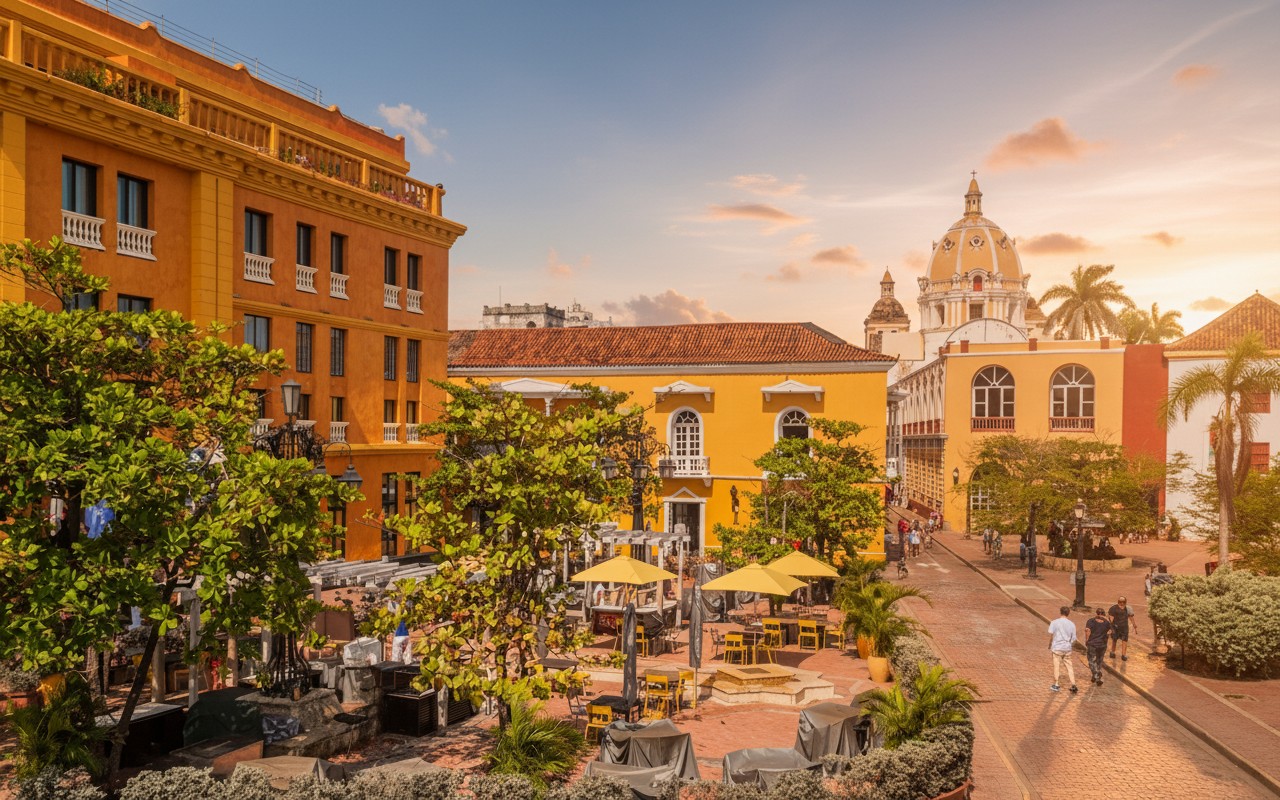
Short answer (as of ): Come between mid-February and mid-March. It is dry, Colombian schools are back in session so domestic crowds thin out, and the Christmas price spike is over. February is the driest month of the year at 1 mm of rain against October’s 230 mm over 16 wet days. Avoid December 16 to January 6, when hotels charge up to three times their low-season rate, avoid Semana Santa whenever it falls, and avoid October outright. Temperature barely moves all year, roughly 24 to 32 C (75 to 90 F), so you are choosing between rain, crowds and price, not between warm and cold.
Every Cartagena guide tells you “December to April is best.” True, but useless. That five-month window contains both the most expensive fortnight of the year and its best value weeks, and it ends in April, which stays dry but brings the hottest nights of the year at 26 C before the rains start. What you actually need is which weeks inside it, and what you give up if you cannot travel then.
This guide breaks that down month by month: the actual rainfall and temperature figures, crowd levels, sea conditions for island trips, the four festivals that transform the city, and what each trade-off costs you. If you can only travel in a “bad” month, that is covered too. I have been here in the rainy season more than once and still had good trips, and the section on making shoulder season work is written from those.
Planning a specific trip? After reading this, check our complete Cartagena itinerary guide to see how timing affects what you can do each day. Barranquilla Carnival, two hours away in February or March, is worth building a trip around if your dates line up.
What is Cartagena’s climate actually like?
Cartagena sits 10°N of the equator on Colombia’s Caribbean coast. This geography creates weather patterns that confuse first-time visitors: Cartagena receives about 1,020 mm of rain a year spread over roughly 94 wet days, and almost all of it falls between May and November. Two independent sets of 1991 to 2020 normals agree on that figure to within 10 mm. For current conditions rather than averages, IDEAM is Colombia’s national meteorological institute.
What people expect: Classic “summer/winter” seasons.
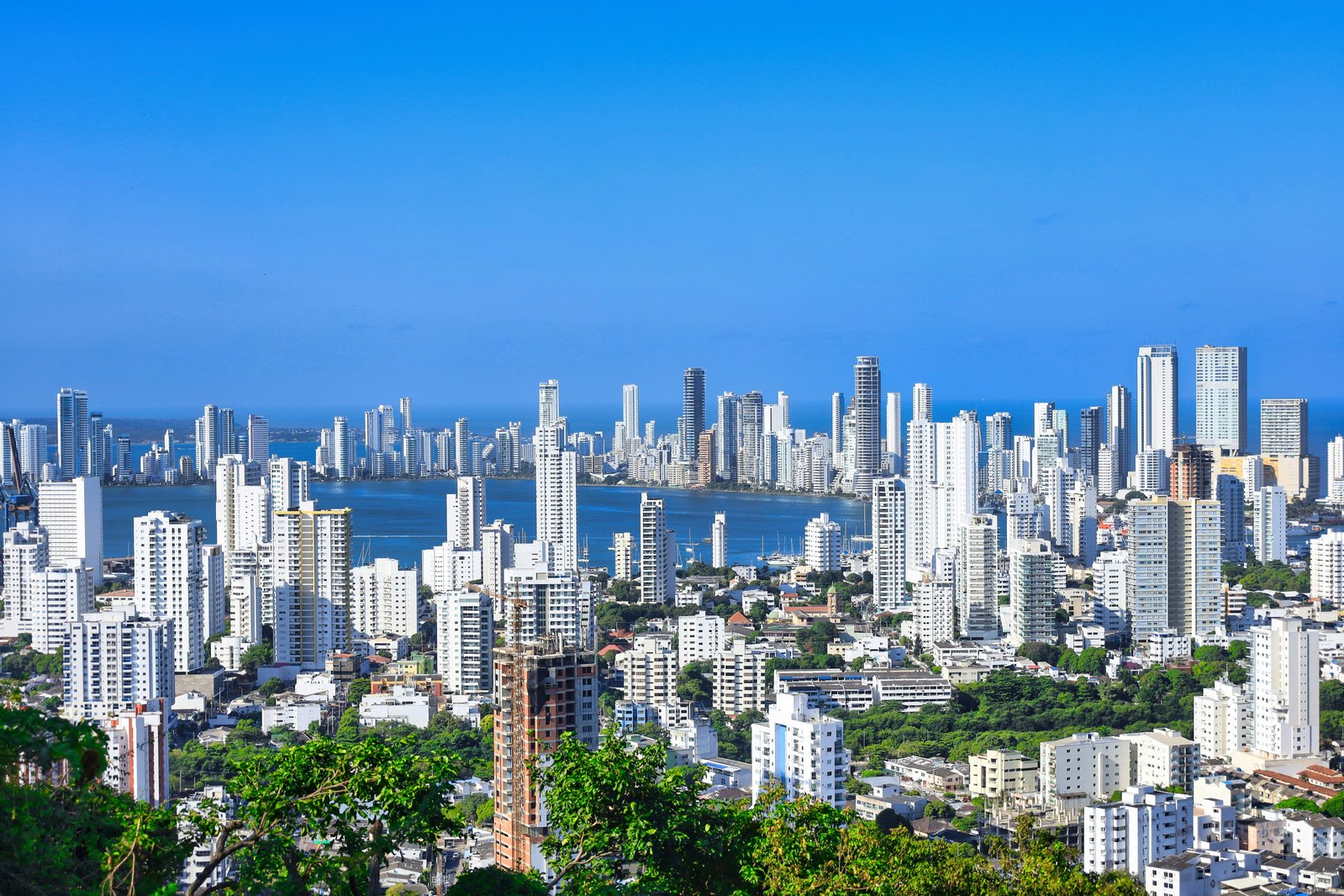
What actually happens: Two seasons based on rainfall, not temperature. It’s always hot. The only question is whether it’s hot and dry or hot and wet.
Dry Season (December – April)
Temperature: 82-90°F (28-32°C) daytime, 75-80°F (24-27°C) at night
Humidity: Still high (70-80%) but manageable
Rainfall: Minimal. Maybe 1-3 days of light rain per month.
Sea conditions: Calmest. Best for island trips.
Wind: Trade winds from the northeast (cooling effect, especially afternoons)
The trade-off: This is peak tourist season for a reason – the weather is objectively better. But you’re paying premium and dealing with crowds. Hotels that cost $60 in September run $120+ in January.
Rainy Season (May – November)
Temperature: 82-90°F (28-32°C) – basically identical to dry season
Humidity: Higher (80-90%) – clothes never fully dry
Rainfall: Varies wildly by month. June-August are manageable. September-October are genuinely wet.
Rain pattern: Not all-day downpours. Mornings often beautiful, then around 2-4 PM the sky opens for 30-90 minutes, then it clears.
Sea conditions: Choppier. Island tours run unless genuinely dangerous, but expect bouncy boat rides.
Wind: Shifts, becomes less predictable
The trade-off: Hotels cost 30-50% less, beaches have actual space, you might be the only tourists at some attractions. But you’re gambling on weather. Some days you win (perfect morning, brief afternoon shower), some days you lose (all-day rain, tours canceled).
Cartagena weather by month: the actual numbers
These are long-run averages rather than a forecast, and they are what the seasons above look like as figures. Two independent sets of 1991 to 2020 normals agree on them to within about 10 mm in any given month.
| Month | Average high | Average low | Rainfall | Wet days | Sea |
|---|---|---|---|---|---|
| January | 31.0 C (88 F) | 24.1 C (75 F) | 4 mm | 1 | 27.5 C (82 F) |
| February | 31.0 C (88 F) | 24.2 C (76 F) | 1 mm | 0 | 27.0 C (81 F) |
| March | 31.1 C (88 F) | 24.9 C (77 F) | 2 mm | 1 | 27.0 C (81 F) |
| April | 31.6 C (89 F) | 25.8 C (78 F) | 25 mm | 3 | 27.5 C (82 F) |
| May | 31.9 C (89 F) | 26.1 C (79 F) | 115 mm | 10 | 28.5 C (83 F) |
| June | 32.2 C (90 F) | 26.0 C (79 F) | 100 mm | 12 | 29.0 C (84 F) |
| July | 32.2 C (90 F) | 25.7 C (78 F) | 110 mm | 10 | 29.0 C (84 F) |
| August | 32.2 C (90 F) | 25.9 C (79 F) | 125 mm | 13 | 29.0 C (84 F) |
| September | 32.0 C (90 F) | 25.8 C (78 F) | 135 mm | 14 | 29.0 C (84 F) |
| October | 31.6 C (89 F) | 25.5 C (78 F) | 230 mm | 16 | 29.0 C (84 F) |
| November | 31.4 C (89 F) | 25.4 C (78 F) | 140 mm | 11 | 29.0 C (84 F) |
| December | 31.5 C (89 F) | 24.9 C (77 F) | 35 mm | 3 | 28.0 C (82 F) |
| Year | 31.7 C (89 F) | 25.4 C (78 F) | 1,020 mm | 94 | 28.3 C (83 F) |
Three things fall out of that table that the seasonal labels hide. October alone carries 230 mm, which is more than the whole of December through April combined. The temperature range across the entire year is 1.2 C between the warmest and coolest month, so nobody is choosing a month for warmth. And the sea never drops below 27 C, which is why the swimming is the one thing that does not change.
Month-by-Month Breakdown: What Actually Happens
Let me walk you through each month with the details guides usually skip:
January ⭐⭐⭐ (Crowds Kill It)
Weather: Highs of 31 C (88 F) and lows of 24 C (75 F), with 4 mm of rain across a single wet day in an average January. The sea sits at 27.5 C, the water is calm and the trade winds are steady.
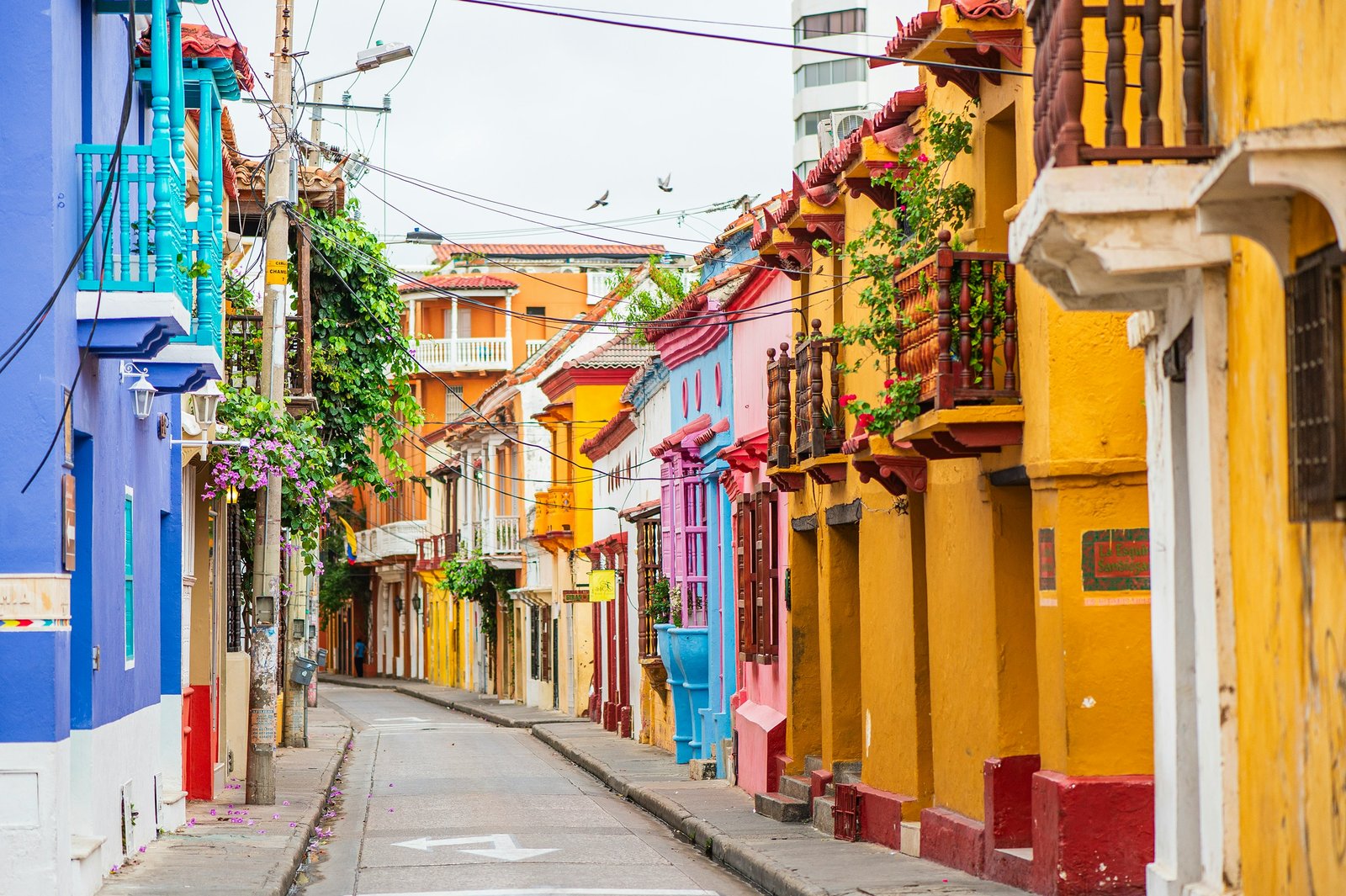
Sea conditions: Excellent. Best visibility for snorkeling (10-15m), calmest boat rides.
Crowd level: 🔴 INSANE (10/10)
- Colombian summer vacation (schools out until late January)
- International tourists escaping northern winter
- Every hotel/tour at capacity
- Old Town is human gridlock 10 AM-8 PM
What works:
- ✅ Island trips (weather cooperates, but boats are packed)
- ✅ San Felipe Castle (but go at 8 AM opening or 4 PM to avoid peak crowds)
- ✅ Beach time (but you’re sharing sand)
What doesn’t:
- ❌ Spontaneity (everything books out days ahead)
- ❌ Budget travel (accommodation costs 2-3x normal)
- ❌ Quiet exploration (Old Town is a tourist zoo)
Events:
- Hay Festival (late January) – Literary festival, brings cultural crowds
My take: January is objectively great weather but subjectively exhausting. If you can swing it, go late January (after Three Kings Day on Jan 6) when domestic tourism drops slightly.
February ⭐⭐⭐⭐⭐ (The Sweet Spot)
Weather: The driest month of the year at 1 mm of rain, with a typical February recording zero wet days. Highs 31 C (88 F), lows 24 C (76 F), sea 27 C.
Sea conditions: Excellent. Some of the best water clarity of the year.
Crowd level: 🟡 MODERATE (6/10)
- Colombian schools back in session by mid-month
- International tourists still present but manageable
- Weekdays noticeably calmer than weekends
What works:
- ✅ Everything. Seriously. Best overall month.
- ✅ Island trips without being crushed by crowds
- ✅ Old Town morning walks actually pleasant
- ✅ Restaurants don’t require reservations 3 days ahead
What doesn’t:
- Still peak season pricing (but slightly lower than Dec/Jan)
- Weekends still busy (domestic tourists from Bogotá/Medellín)
Events:
- Cartagena International Film Festival (FICCI) (usually early-mid Feb) – Cinemas packed, restaurants busy, cool vibe
My take: If you have flexibility, target mid-February. Weather is perfect, crowds are manageable, and you’re not paying Christmas/NYE premiums.
March ⭐⭐⭐⭐ (Starts Strong, Gets Hot)
Weather: Still dry at 2 mm over 1 wet day, with highs of 31 C (88 F). Early March is the tail of the good weather and the heat builds noticeably through the second half.
Sea conditions: Good early month, getting choppier late month as winds shift.
Crowd level: 🟢 MODERATE (5/10)
- Spring break traffic (international) arrives mid-month
- Colombian Holy Week (Semana Santa, dates vary) brings domestic surge
- Otherwise pretty reasonable
What works:
- ✅ First two weeks = still great
- ✅ Castle visits (heat is tolerable with morning timing)
- ✅ Island trips (book ahead if visiting during Semana Santa)
What doesn’t:
- ❌ Late March heat makes midday Old Town walks brutal
- ❌ Holy Week books everything solid (if it falls in March)
Events:
- Semana Santa (dates vary, March or April) – Massive domestic tourism spike. Everything books out. Streets packed with Colombian families.
My take: First half of March = excellent. Second half = transition month. Still recommend but know what you’re getting into heat-wise.
April ⭐⭐⭐ (Heat + Rain Begin)
Weather: The turn. Rain jumps to 25 mm over 3 days, highs reach 32 C (89 F) and lows 26 C (78 F), which is the warmest nights of the year. Humidity climbs before the rain arrives.
Sea conditions: Becoming unpredictable. Some choppy days.
Crowd level: 🟢 LOW-MODERATE (4/10)
- If Semana Santa fell in March, April is quiet
- If Semana Santa is in April, expect chaos that week
- Otherwise, tourist numbers dropping
What works:
- ✅ Shoulder season deals start appearing
- ✅ Indoor activities (museums, aquarium) make sense
- ✅ Evening activities (heat relents after 6 PM)
What doesn’t:
- ❌ Midday anything (heat is oppressive)
- ❌ All-day beach plans (you’ll fry even with SPF 50)
Events:
- Possible Semana Santa (if March didn’t claim it)
My take: April is the “why is nobody talking about how hot this is?” month. Weather is technically still dry, but the heat makes it challenging. Good for budget travelers willing to suffer a bit.
May ⭐⭐⭐ (Rainy Season Starts, But…)
Weather: The rainy season starts properly at 115 mm over 10 wet days, a jump of more than four times on April. Highs 32 C (89 F), and the sea warms to 28.5 C. The rain arrives as afternoon storms rather than all-day drizzle.
Rainfall: Increasing but not terrible. Maybe 8-12 days with rain.
Sea conditions: Hit or miss. Some beautiful days, some cancelled tours.
Crowd level: 🟢 LOW (3/10)
- Tourist numbers drop significantly
- Locals have the city back
- Weekdays can feel empty at some attractions
What works:
- ✅ Old Town exploration (fewer people, tolerable heat with clouds)
- ✅ Food scene (restaurants not slammed, chefs have time to talk)
- ✅ Cultural activities (actual Colombian vibe returns)
What doesn’t:
- ❌ All-day island trips (weather can turn)
- ❌ Rigid schedules (rain might force plan changes)
Events:
- Generally quiet festival-wise
My take: May is underrated. You’re gambling on weather, but the upside (cheap hotels, no crowds, authentic experience) often outweighs the downside (afternoon showers that you can plan around).
June – July ⭐⭐⭐ (Rainy But Manageable)
Weather: 100 mm over 12 wet days in June and 110 mm over 10 in July, with highs at 32 C (90 F) and the sea at 29 C. That is rain on roughly a third to a half of days, and it comes in bursts rather than lasting.
Pattern: Morning sunshine → afternoon build-up → 1-2 hour downpour → clearing by evening
Temperature: 85-90°F, humidity high
Sea conditions: Variable. Tours run most days but can be rough.
Crowd level: 🟢 LOW (3/10), except…
- Colombian mid-year school break (late June) brings brief surge
- Otherwise very quiet
What works:
- ✅ Morning activities (8 AM-1 PM usually clear)
- ✅ Indoor backup plans (know where museums/cafes are)
- ✅ Evening culture (nightlife not affected by rain)
- ✅ Serious negotiation power (hotels desperate for bookings)
What doesn’t:
- ❌ All-day beach plans (you’re risking getting rained out)
- ❌ Sunset photography (clouds often block)
Events:
- Independence Day (July 20) – National holiday, fireworks, parades, restaurants closed
My take: If you’re flexible and don’t mind afternoon rain, June-July offers incredible value. I’ve had great trips during these months. Just book hotels with pools/good common areas so you have somewhere to hang when it pours.
August ⭐⭐⭐ (Similar to June-July)
Weather: 125 mm over 13 wet days, highs 32 C (90 F), sea 29 C. Marginally wetter than July and marginally drier than September, with the same afternoon build.
Crowd level: 🟡 MODERATE (5/10)
- Colombian August holidays – domestic tourists return for 1-2 week period
- Otherwise quiet
What works:
- Same as June-July, but factor in August holiday crowds if you’re visiting mid-month
What doesn’t:
- Same limitations as June-July
Events:
- Battle of Cartagena de Indias (Aug 15) – Historical reenactment, fireworks
- Various August long weekends bring domestic crowds
My take: Good month if you avoid the specific holiday periods. Weather-wise, identical to June-July.
September ⭐⭐ (Peak Rainy Season Begins)
Weather: 135 mm over 14 wet days, which is rain on roughly every other day. Highs 32 C (90 F), sea 29 C, and the storms get longer than the summer pattern.
Pattern: Less predictable. All-day overcast common. Heavy downpours.
Sea conditions: Rough. More tour cancellations than earlier months.
Crowd level: 🟢 VERY LOW (2/10)
- Smart tourists avoid September
- You might have attractions to yourself
What works:
- ✅ Museum circuit (Palace of Inquisition, Gold Museum, etc)
- ✅ Food tours (indoor markets, restaurants)
- ✅ Nightlife (rain doesn’t affect clubs/bars)
- ✅ Budget stretching (hotels deeply discounted)
What doesn’t:
- ❌ Island trips (50/50 whether tours run)
- ❌ Beach plans (weather is unreliable)
- ❌ Photography (gray skies, poor light)
Events:
- Generally quiet
My take: September is for hardcore budget travelers who prioritize saving over weather. You’ll spend more time indoors than you planned. But if you’re okay with that, the savings are real.
October ⭐ (The Worst Month)
Weather: The wettest month by a wide margin at 230 mm over 16 wet days, which is 70% more than September and more than the whole dry season combined. Highs 32 C (89 F), sea 29 C.
Pattern: Sometimes just wet all day. Not brief showers – sustained rain.
Sea conditions: Roughest. Most island tour cancellations.
Crowd level: 🟢 DESERTED (1/10)
- Barely any tourists
- Some tour operators don’t even run daily schedules
What works:
- ✅ Indoor activities only
- ✅ Extreme budget travel (hotels at annual lows)
- ✅ Cultural immersion (it’s just locals)
What doesn’t:
- ❌ Pretty much any outdoor activity
- ❌ Island trips (high cancellation rate)
- ❌ Photography (constant clouds)
- ❌ Romance (hard to be romantic when everything is wet and dreary)
Events:
- Generally avoid events in October due to weather
My take: Unless you have no other option or are coming specifically for a work conference, skip October. The savings aren’t worth the frustration of cancelled plans and grey skies.
November ⭐⭐ (Rainy Season Ending)
Weather: 140 mm over 11 wet days, but the distribution matters more than the total: the first half is still properly wet and the second half improves week by week. Highs 31 C (89 F), sea 29 C.
Pattern: Transition back toward dry season.
Sea conditions: Improving but still rough early month.
Crowd level: 🟢 LOW (2-3/10)
- Early month very quiet
- Late November (Thanksgiving week for Americans) sees brief uptick
What works:
- ✅ Late November (last week) is actually decent
- ✅ Still good deals on accommodation
- ✅ Crowds haven’t returned yet
What doesn’t:
- ❌ First three weeks = still rainy season limitations
- ❌ Sea conditions unreliable for first half of month
Events:
- Cartagena Independence Day (Nov 11) – HUGE. City-wide celebrations, parades, fireworks, concerts. Hotels book out. Locals party hard. Actually worth timing your trip around if you want to see Cartagena celebrate.
My take: If you can time it for late November (avoiding the 11th unless you specifically want the festival), you hit a sweet spot: weather improving, crowds not back yet, shoulder season deals.
December 1-15 ⭐⭐⭐⭐ (Great Weather, Rising Crowds)
Weather: The dry season returns. December totals 35 mm over 3 wet days across the whole month, and most of that falls in the first half. Highs 31 C (89 F), sea 28 C.
Sea conditions: Calming. Good for island trips.
Crowd level: 🟡 MODERATE (6/10)
- Early December reasonable
- Builds daily as Christmas approaches
- By December 15, chaos begins
What works:
- ✅ Everything works weather-wise
- ✅ First week still has some shoulder season deals
- ✅ Christmas decorations + lights make Old Town magical
What doesn’t:
- ❌ Accommodation prices climbing daily
- ❌ Need to book ahead as month progresses
Events:
- Christmas lighting/decorations (all month) – Old Town becomes beautiful at night
- Las Fiestas de Independencia continuing – Celebrations from November 11 roll into early December
My take: First week of December = excellent. After Dec 15 = prices skyrocket and you’re in pre-Christmas chaos. Choose wisely.
December 16-31 ⭐⭐ (Perfect Weather, Perfect Hell)
Weather: The best conditions of the year: dry, breezy, highs 31 C (89 F), lows 25 C (77 F) and the sea at 28 C.
Crowd level: 🔴 MAXIMUM CHAOS (11/10)
- Christmas vacation (Colombian and international)
- New Year’s Eve madness
- Cruise ships dumping thousands daily
- Every hotel at capacity at triple normal rates
- Restaurants require reservations
- Tours sell out days ahead
- Old Town is shoulder-to-shoulder humans
What works:
- ✅ Weather (only positive)
- ✅ New Year’s Eve parties (if that’s your scene)
What doesn’t:
- ❌ Everything else (crowds, prices, stress)
- ❌ Spontaneity (nothing available last-minute)
- ❌ Budget travel (hotels charging peak rates)
- ❌ Peaceful anything (city is in party mode)
Events:
- Christmas Week celebrations
- New Year’s Eve (huge fireworks, beach parties, street celebrations)
My take: If you love crowds and celebrations and money isn’t an object, go for it. Everyone else should avoid this period. The perfect weather isn’t worth the chaos and expense.
Month-by-Month Decision Matrix
Quick reference for choosing when to visit:
📅 Cartagena Month-by-Month at a Glance
| Month | Weather | Sea Conditions | Crowds | Value | Best For / Avoid If |
|---|---|---|---|---|---|
| January | ⭐⭐⭐ | Excellent | Very High | Poor |
✅ Weather-obsessed, don’t mind crowds
❌ Budget travelers, hate crowds
|
| February | ⭐⭐⭐⭐⭐ | Excellent | Moderate | Okay |
✅ BEST OVERALL MONTH
Target mid-Feb for optimal balance
|
| March | ⭐⭐⭐⭐ | Good | Moderate | Okay |
✅ Early March great, late March hot
❌ Heat-sensitive (late month)
|
| April | ⭐⭐⭐ | Variable | Low-Moderate | Good |
✅ Budget travelers, heat tolerance
❌ Peak heat, first rains
|
| May | ⭐⭐⭐ | Variable | Low | Excellent |
✅ Flexible schedules, budget-conscious
❌ Need guaranteed sunshine
|
| June | ⭐⭐⭐ | Variable | Low | Excellent |
✅ Morning people, indoor backup plans
❌ All-day beach plans
|
| July | ⭐⭐⭐ | Variable | Low | Excellent |
✅ Similar to June, great value
Avoid July 20 holiday crowds
|
| August | ⭐⭐⭐ | Variable | Moderate | Good |
✅ Rainy season with holiday energy
Crowds return mid-month (holidays)
|
| September | ⭐⭐ | Rough | Very Low | Excellent |
✅ Hardcore budget travel
❌ Beach trips, island tours
|
| October | ⭐ | Very Rough | Deserted | Excellent |
❌ WORST MONTH – avoid if possible
Peak rain, tour cancellations
|
| November | ⭐⭐ | Improving | Low | Good |
✅ Late November (last week)
Nov 11 = huge festival (book ahead)
|
| Dec 1-15 | ⭐⭐⭐⭐ | Good | Moderate | Okay |
✅ Early December excellent
Prices/crowds rise after Dec 10
|
| Dec 16-31 | ⭐⭐ | Excellent | MAXIMUM | Terrible |
Perfect weather, perfect chaos
❌ Budget travelers, hate crowds
|
How Weather Affects Specific Activities
Different activities have different weather requirements. Here’s what matters:
Island Trips (Rosario, Tierra Bomba)
Best months: Dec-March (calm seas, best visibility)
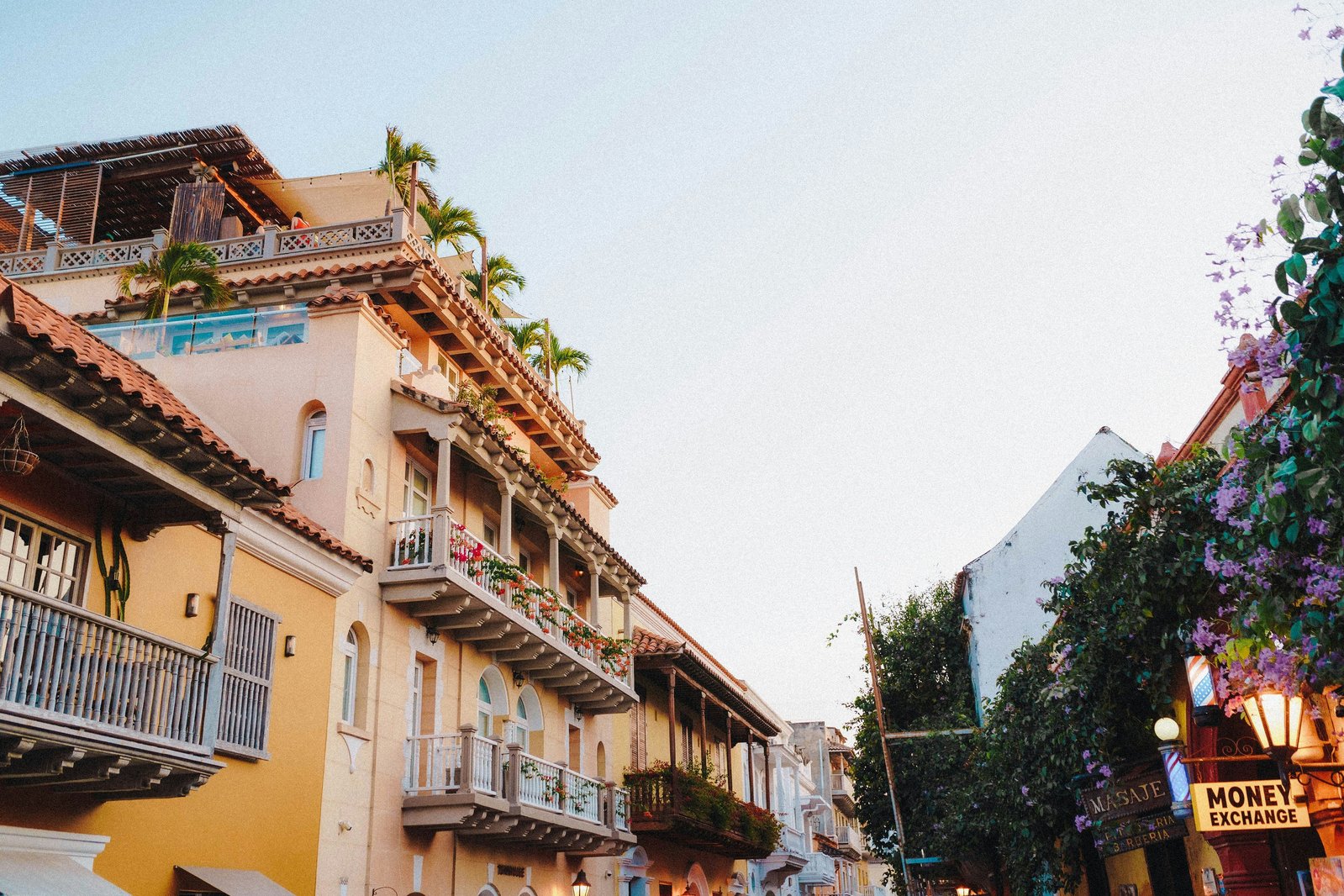
Okay months: April, May, November (hit or miss)
Avoid months: September-October (rough seas, high cancellation rate)
Why: Sea conditions matter more than rain. You can handle brief showers on an island. You can’t handle 2-hour speedboat rides in 6-foot swells making half the boat seasick.
For complete breakdown of which months offer the best snorkeling visibility and when to book island trips, see our Rosario Islands complete guide.
Old Town Walking Tours
Best months: February-March, November-December (pleasant temps, minimal rain)
Okay months: May-August (mornings only, before afternoon rain)
Avoid months: April (oppressive midday heat), October (all-day rain)
Why: The Old Town is exposed cobblestones. No shade in many streets. Midday heat in April makes 2-hour walking tours miserable.
San Felipe Castle
Best months: December-March (still hot but bearable with morning/evening visits)
Okay months: May-November (actually better than dry season if you go during cloudy periods)
Avoid times: April midday (fortress is exposed hilltop = oven)
Why: The castle has minimal shade. Cloud cover from rainy season actually helps. But rain makes the tunnels slippery and dangerous.
For complete castle visiting strategy including best times of day and photography spots, see our San Felipe Castle guide.
Food Tours / Market Visits
Best months: Any month (indoor/covered activities work regardless)
Actually better: Rainy season (June-Oct) – fewer tourists competing for best spots, guides have more time
Why: Food tours are rain-proof. Markets are covered. Restaurants are indoor. This is what you pivot to when weather doesn’t cooperate.
Nightlife / Bars / Clubs
Best months: All months (nightlife is weather-proof)
Peak energy: December-March (more tourists = more international crowd at clubs)
Local vibe: May-November (fewer tourists = more Colombian crowds)
Why: Clubs and bars are indoor. Rain doesn’t matter. If anything, rainy evenings drive more people to indoor entertainment.
For complete nightlife guide including which venues to visit and dress codes, see our Cartagena nightlife guide.
Photography
Best months: December-March (consistent light, minimal clouds)
Challenging months: September-October (grey skies, flat light)
Golden hour: Works year-round but December-March offers most consistent sunsets
Why: Rain means clouds mean poor light. If photography is a primary goal, avoid peak rainy season.
Major Festivals & Events: Plan Around These
Certain events transform Cartagena. Here’s what actually matters:
Independence Day (November 11)
What happens: Massive city-wide celebration. Parades, fireworks, concerts, street parties. Locals party for days before and after.
Impact: Hotels book out. Restaurants packed. Streets closed for parades. Energy is incredible but chaos is real.
Should you go? YES if you want to see Cartagena celebrate. NO if you want peaceful vacation.
Cartagena International Film Festival (FICCI) (Early February)
What happens: Week-long film festival. Cinemas show international films, panels with directors, industry parties.
Impact: Moderate. Hotels busier, some restaurant reservations harder, but not overwhelming.
Should you go? Yes if you’re a film buff. Otherwise, barely notice it.
Hay Festival (Late January)
What happens: Literary festival. Authors, panels, readings, book launches.
Impact: Minimal for most tourists. Some specific events require tickets.
Should you go? Only if you’re specifically interested in literature/authors.
Semana Santa / Holy Week (March or April, dates vary)
What happens: Colombian families flock to Cartagena for Easter vacation. Religious processions in Old Town.
Impact: HUGE. Hotels book out months ahead at premium prices. Beaches packed. Tours sell out.
Should you go? Only if you book way ahead and don’t mind crowds. Otherwise, actively avoid this week.
Christmas / New Year’s (December 16-January 6)
What happens: Peak vacation period for Colombians and international tourists. City goes into full celebration mode.
Impact: MAXIMUM. Triple hotel prices. Everything books out. Crowds everywhere. Beautiful lighting/decorations but exhausting.
Should you go? Only if you specifically want holiday energy and money isn’t an issue.
How do you make shoulder season work?
If you’re targeting shoulder season (April-May, November) for better deals, here’s how to maximize it:
Be Flexible
Book hotels with free cancellation. Have backup indoor activities planned. Don’t schedule everything to the hour.
Morning Priority
Start days early (7-8 AM). You get 5-6 hours of reliable weather before afternoon storms hit.
Have Indoor Backups
Know where museums, good cafes, and covered markets are. When rain comes, pivot immediately.
Use Weather Apps Smartly
Don’t trust weekly forecasts in Caribbean. Check hour-by-hour forecast each morning. Cartagena weather changes fast.
Book Tours with Cancellation Policies
Island tours often cancel in bad weather. Make sure you can reschedule or get refunds.
How much does season change what you pay?
Season is the biggest single lever on what a Cartagena trip costs, and the swing from low to peak is roughly threefold. When you go matters more than any booking trick.
Peak season (Dec 16 – Jan 15): Hotels/tours charge maximum rates. Sometimes 3x other periods.
High season (Jan 16 – March): Premium pricing but not quite peak. Maybe 1.5-2x low season.
Shoulder (April-May, Nov): Moderate pricing. Starting to see deals.
Low season (June-Oct): Significant discounts. Hotels/tours negotiate. Best value if you can handle weather uncertainty.
The pattern: In dry season, you’re paying premium for guaranteed good weather. In rainy season, you’re getting discounts because you’re gambling on weather.
For complete budget breakdown of what Cartagena costs during different seasons, see our Cartagena budget guide.
How many days do you need in Cartagena?
This affects which weather windows you target:
3 days minimum: Target best weather months (Feb-March) since you don’t have buffer for bad weather days.
5-7 days: Shoulder season (April-May, Nov) works. You have flexibility if weather doesn’t cooperate one day.
7-10 days: Rainy season (June-Oct) viable. Enough time that rain won’t ruin entire trip.
2 weeks+: Any season works. You’ll catch good weather regardless.
For complete day-by-day itinerary suggestions, see our 3-day Cartagena itinerary guide.
What should you pack for each season?
Dry Season (Dec-April)
Priority: Sun protection
- SPF 50+ sunscreen (you’ll go through bottles)
- Lightweight long-sleeve shirts
- Wide-brim hat
- Sunglasses
- After-sun lotion
Skip: Rain gear, umbrellas
Rainy Season (May-November)
Priority: Rain preparedness + sun protection
- Light rain jacket or poncho
- Quick-dry clothes
- Sandals that work wet
- Small umbrella
- Waterproof phone case
- Dry bag for valuables
Still need: All the sun protection from dry season (sun comes out between storms)
Best Time to Visit Cartagena — FAQ
What is the best month to visit Cartagena, Colombia?
Late January through March is the sweet spot — dry weather, post-holiday calm, and lower hotel rates than December. February is particularly good: trade winds keep temperatures bearable, the Hay Festival draws an interesting crowd, and you’re past the Christmas peak. April is an underrated choice: still dry, significantly fewer tourists, and often the cheapest dry-season flights.
What is the weather like in Cartagena in December and January?
December and January are peak season — dry, sunny, and very crowded. Temperatures average 28–32°C with low humidity and reliable trade winds. Hotel rates peak around Christmas and New Year (often 2–3x normal prices). The Old Town fills with cruise passengers most mornings. If you visit in December, book accommodation 2–3 months ahead and arrive early to major sites before 10 AM.
Is it worth visiting Cartagena in the rainy season?
Yes, if you’re on a budget or want fewer tourists. The rainy season (May–November) brings afternoon showers — typically 1–3 hours starting around 3–5 PM. Mornings are usually clear. Hotels cost 30–50% less, beaches are quieter, and the Old Town is far more pleasant. The main risk: Rosario Islands boat tours can be cancelled or rougher during heavy rain weeks (September–October being the worst).
When should you avoid visiting Cartagena?
Avoid Semana Santa (Easter week) unless you specifically want the festival atmosphere — the city is at maximum capacity with domestic tourism and prices spike. November and early December bring peak cruise ship traffic, filling the Walled City from 9 AM. September and October are the wettest months — heavy rains can disrupt Rosario Islands day trips. If you have flexibility, mid-January to mid-February and April are the best-value dry season windows.
How hot is Cartagena? Is it uncomfortably hot?
Cartagena is hot year-round — 28–33°C with high humidity. The dry season (December–April) is made bearable by trade winds. The rainy season is more humid but temperatures are similar. Most visitors find it manageable with morning/evening sightseeing and midday breaks in air-conditioned restaurants or pools. The Walled City has almost no shade — start your walking tours before 9 AM or after 4 PM.
What festivals happen in Cartagena and when?
Key events: Hay Festival Cartagena (January) — literary festival drawing international writers. Semana Santa (March/April) — religious processions and packed streets. Festival de Música del Caribe (March) — Caribbean music across the city. Independence Day celebrations (November 11) — parades and events. New Year’s Eve (December 31) — massive Walled City celebrations. The Hay Festival and Independence Day period are excellent for combining culture with sightseeing.
The Honest Takeaway
Cartagena weather follows predictable patterns, but there’s no “perfect” month. Every season has trade-offs:
Dry season (December to April): Great weather, terrible crowds (except mid-Feb to mid-March sweet spot). You’re paying premium for guaranteed sun.
Rainy season (May to November): Significant savings, actual local experience, but you’re gambling on weather. Mornings usually fine, afternoons often wet.
Shoulder (April and late November): The compromise. April is still dry at 25 mm but is the hottest month; May already brings 115 mm over 10 wet days, so it belongs to the rains rather than the shoulder. Weather transitioning, crowds manageable, some deals available. Good for flexible travelers.
The worst month is October (peak rain, roughest seas, grey skies). The best overall month is February (especially mid-month) – weather cooperates, crowds are manageable, prices aren’t completely insane.
But honestly? If you can only come in August because that’s when you have vacation time, come in August. Cartagena works year-round if you adjust expectations and plan accordingly. Don’t let “must visit December-March” gatekeeping stop you from visiting during other months.
Just avoid October if you possibly can.
Related Guides
For planning your specific trip:
- Complete Cartagena Activities Guide – What to do regardless of season
- 3-Day Cartagena Itinerary – Day-by-day planning adjusted for weather
- Rosario Islands Guide – When to visit islands specifically
- Where to Stay in Cartagena – Neighborhood guide
- Cartagena Budget Guide – Seasonal pricing patterns
- Is Cartagena Safe? – Safety by neighborhood and season