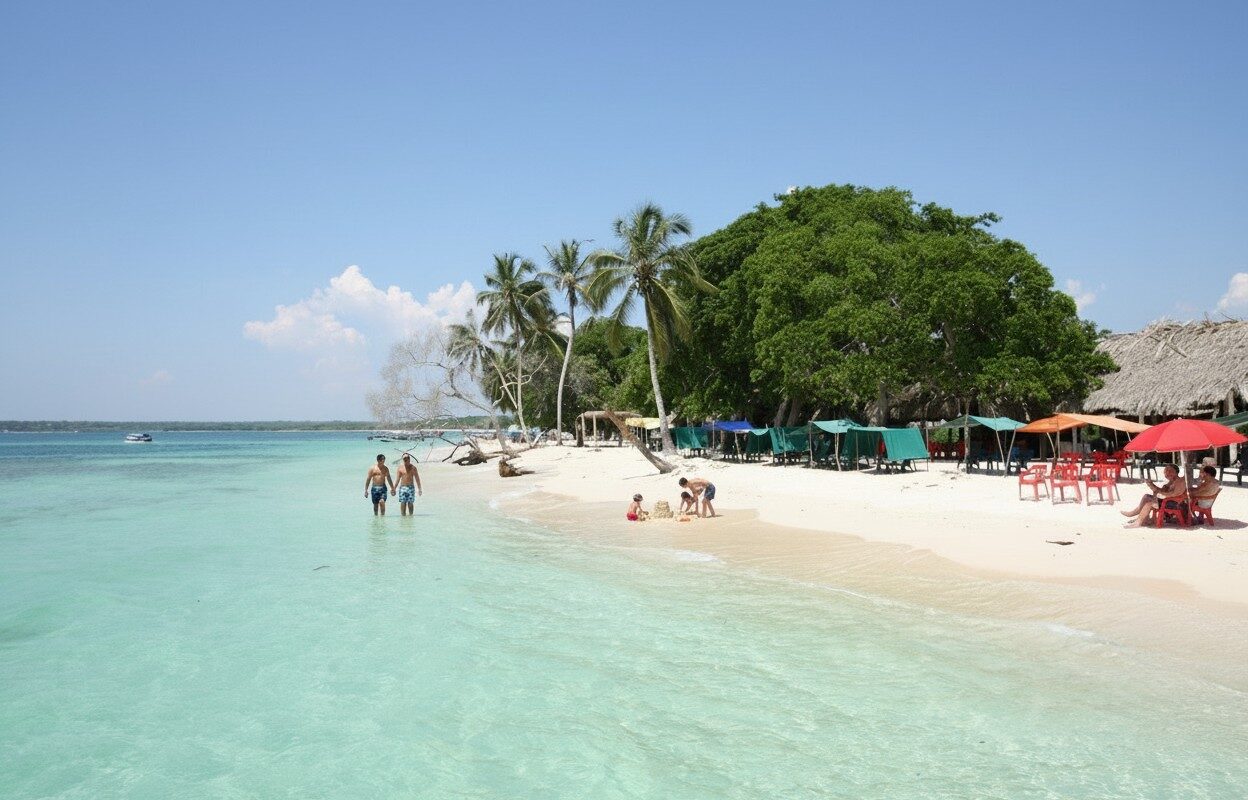
Every Cartagena beach guide shows you the same postcard photos – turquoise water, white sand, palm trees. What they don’t show: Playa Blanca shoulder-to-shoulder with vendors every 20 seconds, Bocagrande’s grey sand and choppy water that looks nothing like Caribbean marketing photos, or the reality that the best beaches near Cartagena require boat rides and advance planning.
The Instagram-worthy Caribbean beaches everyone imagines are on the islands (Rosario Islands primarily), not the mainland. Mainland beaches near Cartagena range from mediocre city beaches (Bocagrande, Castillogrande) to local spots worth visiting if you lower expectations (Manzanillo del Mar, La Boquilla). The famous Playa Blanca has been destroyed by its own success – skip it entirely unless you enjoy vendor harassment and human gridlock.
This guide compares 12+ beaches honestly – which ones deliver on the Caribbean promise, which ones work as convenient backup options, and which ones to avoid despite their reputation. We’ll cover mainland beaches you can reach by car/taxi, island beaches requiring boats, when each makes sense, and the trade-offs nobody mentions until you’re already there disappointed.
Planning your beach strategy? After reading this, check our Rosario Islands complete guide for detailed island options, or our 3-day itinerary to see how beach days fit into a balanced trip that includes colonial sightseeing and cultural experiences.
Setting Realistic Expectations: Caribbean Beach Reality
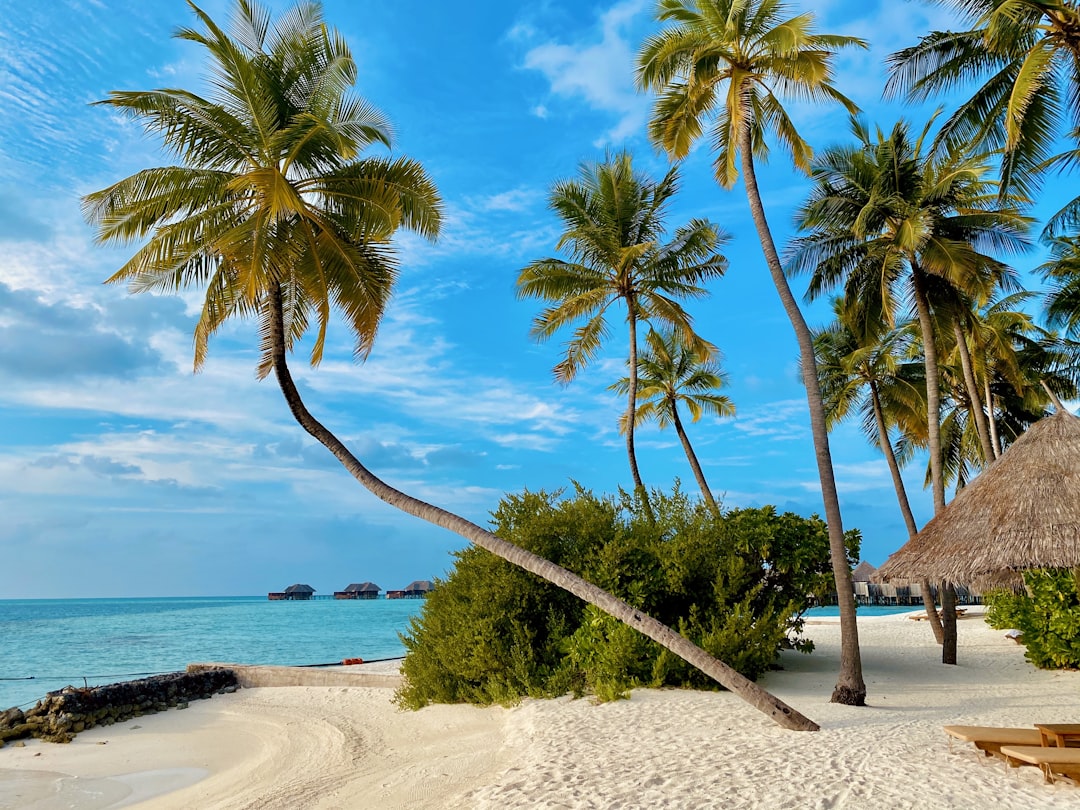
Before comparing specific beaches, let’s calibrate what “Caribbean beach near Cartagena” actually means:
What You’re Probably Imagining:
- Maldives-level water clarity (15+ meter visibility)
- Pristine white sand (untouched paradise)
- Empty beaches (you and nature)
- Perfect turquoise water (Instagram filter-level)
- Zero vendors (peaceful relaxation)
What Actually Exists:
Island Beaches (Rosarios):
- Good water clarity (8-15 meters on calm days)
- White sand (genuinely nice but shared)
- Some crowds (day-trippers, manageable except peak season)
- Beautiful turquoise water (real, but not Maldives)
- Some vendors (less aggressive than mainland)
Mainland Beaches:
- Mediocre clarity (5-8 meters at best)
- Sand varies (grey to brownish, some white)
- Crowded or empty (depends on beach)
- Water color inconsistent (Caribbean some days, murky others)
- Vendors abundant (constant on popular beaches)
The gap: Cartagena beaches are nice for Colombia, good for South America, but not world-class tropical perfection. If you’ve been to Bali, Thailand, or the Maldives, adjust expectations downward.
Reality Check from Someone Who’s Visited All These Beaches:
The Rosario Islands deliver legitimate Caribbean beach experience – clear water, white sand, swimming and snorkeling. Are they the best beaches in the world? No. Are they worth a day trip from Cartagena? Yes.
Mainland beaches are convenience plays. Bocagrande works if you need a beach within walking distance and accept it’s mediocre. Manzanillo del Mar and La Boquilla offer local Colombian beach culture if you’re not expecting paradise.
Playa Blanca’s reputation is historical. It was amazing 15 years ago. Now it’s a tourist trap. Anyone telling you otherwise hasn’t been recently.
Beach Categories: Understanding Your Options
Cartagena beach options fall into distinct categories:
Category 1: Island Beaches (Boat Required)

Examples: Rosario Islands, Tierra Bomba, San Bernardo Islands
Pros:
- Best water quality near Cartagena
- True Caribbean beach experience
- Good snorkeling (by local standards)
- White sand beaches
Cons:
- Require boat transport (time + logistics)
- Weather dependent (tours cancel in rough seas)
- Most of your day (10-11 hours door-to-door)
- Can’t just “pop over for an hour”
Best for: Anyone prioritizing quality beach experience, willing to dedicate full day
Category 2: Mainland Peninsula Beaches (Close)
Examples: Bocagrande, Castillogrande, Laguito
Pros:
- Walking distance from hotels
- Zero logistics (just go)
- Convenient for short visits
- Hotel infrastructure nearby
Cons:
- Mediocre water quality
- Grey/brown sand (not white)
- Urban beach vibe (not tropical paradise)
- Vendors constant
Best for: Convenience over quality, families with young kids, quick swims between sightseeing
Category 3: Northern Mainland Beaches (20-45 min drive)
Examples: Manzanillo del Mar, La Boquilla, Punta Canoas
Pros:
- Local Colombian beach culture
- Less touristy (authentic experience)
- Cheaper than everything else
- Good seafood at beach restaurants
Cons:
- Need taxi/car (30-60 min each way)
- Water quality variable
- Basic infrastructure
- Can feel rough/unpolished
Best for: Budget travelers, cultural experience over perfection, anyone who’s done the islands and wants something different
Category 4: Famous But Problematic (Avoid)
Example: Playa Blanca (Barú Peninsula)
Reputation: White sand paradise, appears in every Cartagena photo gallery
Reality:
- Destroyed by overtourism
- Vendor harassment every 30 seconds
- Packed with people
- Boat rides often rough
- Not worth the hassle anymore
Verdict: Skip despite its fame. Better options exist.
Island Beaches: The Quality Options
These deliver the Caribbean experience but require planning:
Rosario Islands ⭐⭐⭐⭐⭐
The Gold Standard
What you get:
- White sand beaches (genuine article)
- Clear water (8-15m visibility)
- Snorkeling opportunities (coral patches, tropical fish)
- Beach clubs or open beaches depending on island
- Full-day experience
Which specific islands:
- Isla del Pirata – Private island, limited visitors, best maintained
- Isla Grande – Larger, more options, several beach clubs
- Isla Arena – Now the private Corona Island resort (since 2021): paid day passes or overnight stays only, regular island tours do not stop here
Transport:
- Speedboat: 45-60 min journey (rough, cheaper)
- Catamaran: 90-120 min journey (smooth, worth premium)
- Depart around 8 AM, return around 4 PM, about 8 hours door-to-door
Water conditions:
- Driest and sunniest: December to March, but also the windiest, because the trade winds peak. Expect the roughest crossings of the year and occasional multi-day port closures in January and February
- Calmest water between showers: April to May and September to November
- Rainy season runs May to November with a drier spell in July and August; storms cut visibility for a day or two after they pass
🏝️ Rosario Islands Day Trips (Best Beach Experience)
For Rosario Islands, you’re choosing between tour operators, not walking to a public beach. The tours handle everything – transport, beach access, lunch, snorkeling gear.
Tour comparison factors:
- Boat type (catamaran vs speedboat)
- Which island they visit
- How long you get on beach (3-4 hours minimum)
- What’s included (lunch, drinks, gear)
For complete tour operator comparison, pricing patterns, and which islands each tour visits, see our detailed Rosario Islands day trip guide.
The verdict: Rosario Islands are the beaches everyone imagines when booking Cartagena. They’re not perfect but they’re the best you’ll get within day-trip distance.
Tierra Bomba Island ⭐⭐⭐⭐
The Convenient Alternative
What you get:
- Shorter boat ride (15-20 min from Cartagena)
- White sand beaches
- Beach club options (Punta Arena clubs, Fenix Beach)
- Decent water quality (not as clear as Rosarios but good)
- Half-day possible (not forced into 10-hour commitment)
Advantages over Rosarios:
- Much shorter journey (less seasickness risk)
- Can do morning or afternoon only
- Less weather-dependent (shorter crossing = safer)
- Often cheaper
Disadvantages:
- Water not quite as clear as Rosarios
- Smaller beaches
- Less “remote paradise” feeling (closer to city)
How to visit:
- Beach club day passes (book ahead or walk-up)
- Tours include Tierra Bomba (check itinerary)
- Private boat charter (if you have group)
Best for: Anyone prone to seasickness, families with young kids, people wanting beach without full-day commitment, budget-conscious travelers.
San Bernardo Islands (Múcura, Tintipán) ⭐⭐⭐⭐⭐
The Premium Option
What you get:
- Best water quality near Cartagena (10-20m visibility)
- Most pristine beaches
- Better coral for snorkeling
- Fewer day-trippers (distance filters crowds)
The catch:
- 2+ hours by boat each way (4+ hours transport total)
- Full day required (12-13 hours door-to-door)
- More expensive than Rosarios
- Weather cancellations more likely (longer journey)
When it makes sense:
- You’re staying in Cartagena 7+ days
- You’ve already done Rosarios and want more
- You’re serious about snorkeling/diving
- Budget allows premium experience
How to visit:
- Specialized tours (not all operators go here)
- Overnight stays at island hotels (see our Rosario Islands accommodation guide for details)
The verdict: Best beaches accessible from Cartagena but significant time/cost commitment. Worth it for beach perfectionists.
Playa Blanca (Barú Peninsula) ⭐
Skip This (Despite Its Fame)
I’m dedicating a section to explaining why you should avoid the most famous beach near Cartagena:
Why it was famous:
- 15 years ago, genuinely pristine
- White sand, clear water, few visitors
- Photos from that era still circulate
Current reality:
- Absolutely destroyed by overtourism
- 200+ vendors working the beach
- Someone approaches every 20-30 seconds (massage, food, drinks, jewelry, tours)
- Packed shoulder-to-shoulder high season
- Boat rides often rough (afternoon return especially)
- You spend more energy avoiding vendors than relaxing
The photos you see:
- Either old (pre-2015)
- Taken at 7 AM before crowds
- Heavily filtered
- Or from private sections (expensive day pass)
Alternatives that are better:
- Isla del Pirata (legitimately less crowded)
- Isla Grande beach clubs (vendor-free zones)
- Tierra Bomba (easier logistics, similar quality)
The only way Playa Blanca works: covered in full in our Playa Blanca and Baru guide, which breaks down the road route, the timing and the overnight option.
- Drive there by land (hire taxi for day, leave at 6 AM)
- Walk to far end called “Playa Tranquila” (fewer vendors)
- Accept you’re still sharing with many people
My honest take: Life’s too short for Playa Blanca. Even budget travelers should skip it. The vendor harassment ruins any cost savings.
Mainland Beaches: Convenience Over Quality
These beaches work when island logistics don’t:
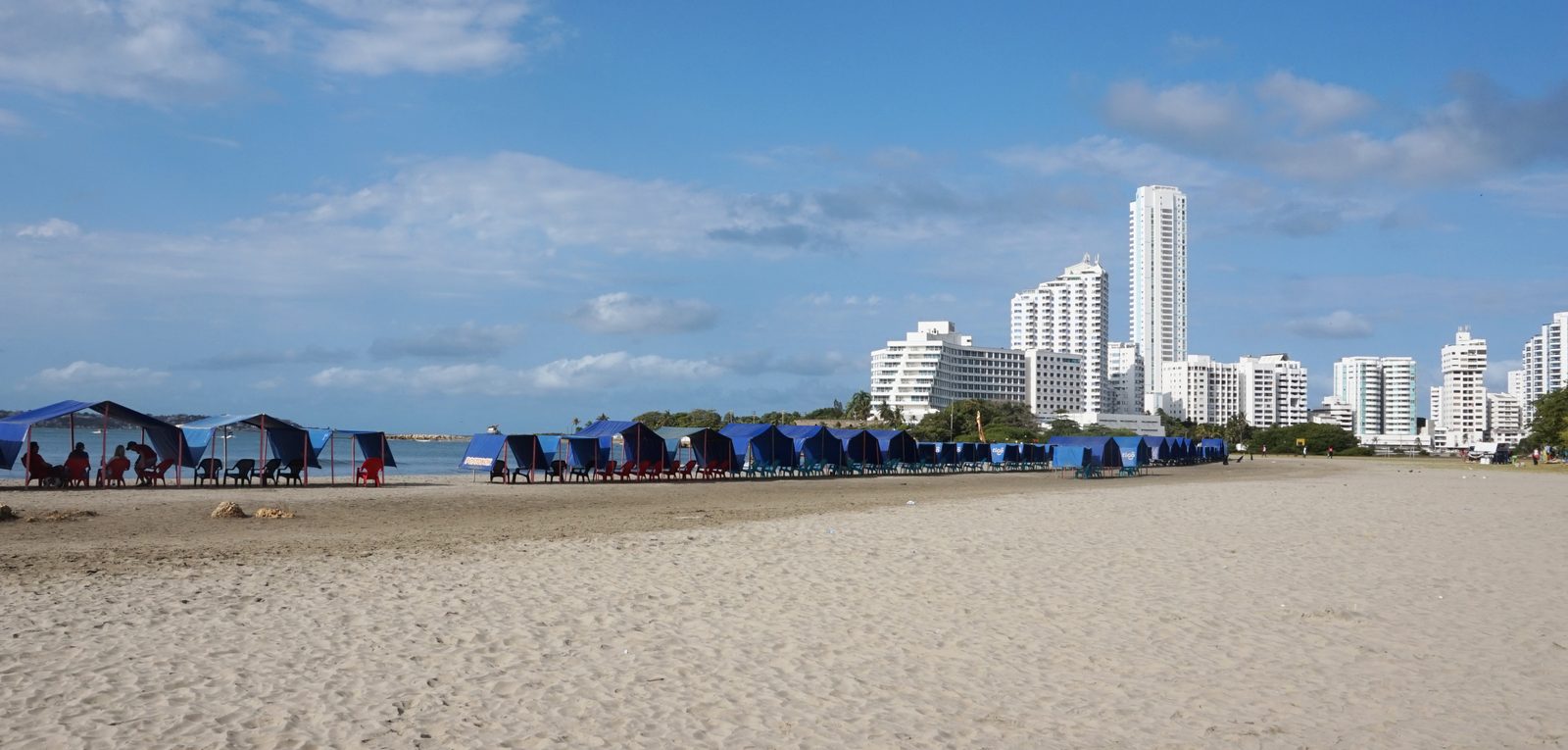
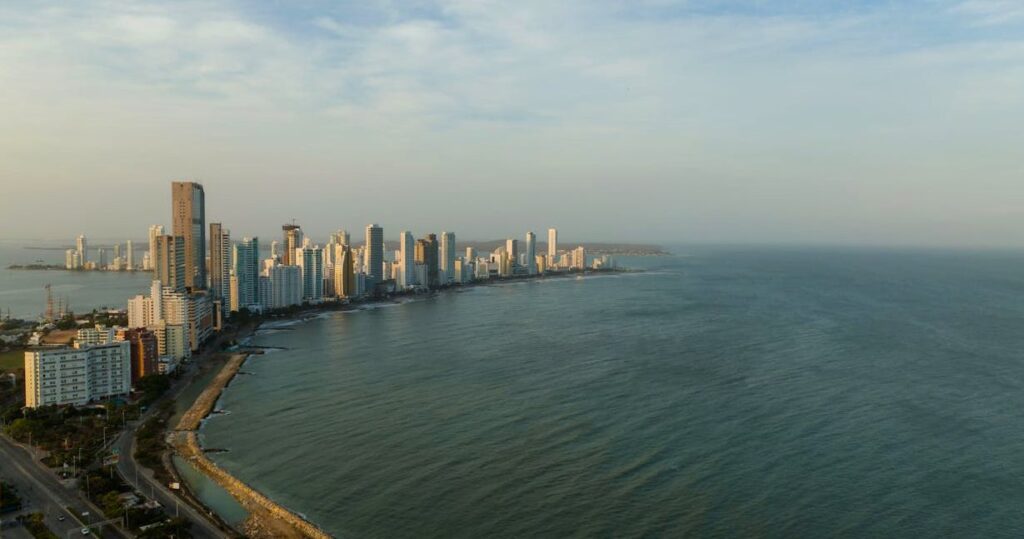
Bocagrande Beach ⭐⭐
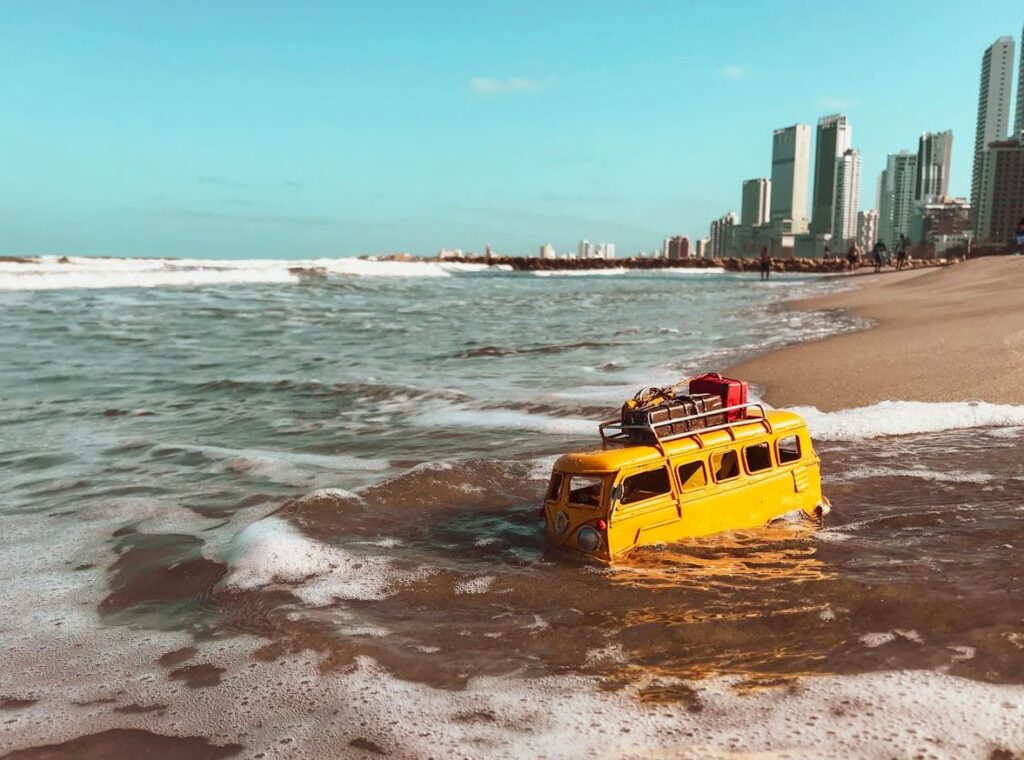
The Urban Beach
Location: Right in Bocagrande neighborhood (hotel zone)
What you get:
- Walking distance from most Bocagrande hotels
- Grey/brownish sand (not white)
- Choppy water (Caribbean but not calm)
- Urban beach vibe (high-rises behind you)
- Vendors selling everything
Advantages:
- Ultimate convenience (walk from room to beach in 5 min)
- Infrastructure nearby (restaurants, bathrooms, shops)
- Lifeguards present
- Safe for swimming
Disadvantages:
- Not Instagram-worthy (grey sand, regular water)
- Vendors constant
- Gets crowded weekends/holidays
- Not the Caribbean fantasy you imagined
- Under active reconstruction in 2026: the Proteccion Costera project (8 breakwaters, sectors Playa 1 to 5) is at roughly 86 to 90%, some sectors are fenced off until certified safe, so check which stretch in front of your hotel is open
Water quality:
- Acceptable for swimming
- Visibility 3-5 meters at best
- Sometimes seaweed/debris
- Depends on currents and recent weather
Best for:
- Families staying in Bocagrande who need easy beach access
- Quick dips between activities
- Anyone who just wants to touch Caribbean water without logistics
- Kids building sandcastles (they don’t care about water clarity)
Don’t expect:
- Paradise beach experience
- Amazing snorkeling
- Romantic beach day
- Empty stretches of sand
Practical tips:
- Go early morning (8-9 AM) for less crowds
- Bring your own chair or rent from vendors
- Watch belongings (theft happens)
- Vendors will approach – firm “no gracias” works
Castillogrande Beach ⭐⭐⭐
Bocagrande’s Quieter Neighbor
Location: Residential area next to Bocagrande
What you get:
- Similar sand/water to Bocagrande
- Quieter (fewer tourists know about it)
- Local Colombian families
- Less vendor pressure
Advantages:
- More peaceful than Bocagrande
- Better for relaxation
- Cleaner (less foot traffic)
Disadvantages:
- Still not paradise beach
- Need to reach Castillogrande first (not near Old Town)
- Very limited infrastructure
Best for: Anyone staying in Castillogrande, people who want Bocagrande proximity without Bocagrande crowds.
Laguito Beach ⭐⭐
Small Neighborhood Beach
Location: Small community within Bocagrande
What you get:
- Tiny beach strip
- Very local feel
- Calm water (protected bay)
Why you’d go: You’re staying right there. Otherwise skip it – there are better options.
Manzanillo del Mar ⭐⭐⭐
The Local Experience
Location: 30-40 min north of Cartagena by car
What you get:
- Colombian beach culture (locals dominate)
- Decent golden/brown sand
- Swimming-friendly water
- Beach restaurants (excellent fresh fish)
- Much cheaper than city beaches
Advantages:
- Authentic Colombian beach day
- Great seafood at reasonable prices
- Less touristy (refreshing change)
- Kids playing soccer, families hanging out
Disadvantages:
- Need taxi (one way ~30-45 min)
- Basic infrastructure
- Water not crystal clear
- Language barrier (Spanish helpful)
How to visit:
- Hire taxi for half-day/full-day
- Negotiate round-trip price ahead
- Typical pattern: arrive 10 AM, lunch at beach restaurant, leave 3-4 PM
What to eat:
- Fried fish (pargo frito)
- Ceviche
- Patacones (fried plantains)
- Cold beer
Best for: Budget travelers, anyone tired of tourist beaches, people who want to see how Colombians beach, foodies (the seafood is legit).
Safety: Generally fine during day. Stick to main beach area. Leave valuables at hotel.
La Boquilla ⭐⭐⭐
The Fishing Village
Location: 20-30 min north of Cartagena
What you get:
- Working fishing village
- Home to Playa Azul, the only Blue Flag certified beach in Cartagena (renewed for the fifth time in May 2024), with certified water quality and lifeguards; the rest of the strip is a basic working beach
- Mangrove tours available nearby
- Very local atmosphere
- Cheap
Why people go:
- Mangrove kayaking tours launch from here
- Authentic fishing village experience
- Combine beach + mangrove in one trip
- Escape tourist zones entirely
Disadvantages:
- Rough around edges
- Poverty visible
- Beach is secondary attraction (mangroves are main)
- Need transport
Best for: Eco-tourism interest, people doing mangrove tours who want beach time after, budget travelers, anyone seeking non-touristy experience.
Punta Canoas ⭐⭐
The Locals-Only Beach
Location: 45+ min north of Cartagena
What you get:
- Almost zero tourists
- Very basic
- Colombian families only
- Cheapest beach experience
Why you’d go: You’re driving past anyway, want to see local life, or you’ve done everything else.
Who skips it: Most visitors (it’s far and basic).
Beach Comparison Matrix
Quick reference for choosing your beach:
🏖️ Cartagena Beaches at a Glance
| Beach | Water Quality | Sand Quality | Distance | Crowd Level | Best Feature | Best For |
|---|---|---|---|---|---|---|
| Rosario Islands (Isla del Pirata) |
⭐⭐⭐⭐⭐ Excellent |
⭐⭐⭐⭐⭐ White sand |
45-90 min Boat required |
Moderate Controlled |
Best overall beach experience | Quality seekers, snorkelers, full-day trippers |
| San Bernardo (Múcura, Tintipán) |
⭐⭐⭐⭐⭐ Best |
⭐⭐⭐⭐⭐ Pristine white |
2+ hours Boat, long journey |
Low Remote |
Most pristine water, best snorkeling | Week+ stays, serious divers, premium seekers |
| Tierra Bomba (Punta Arena) |
⭐⭐⭐⭐ Good |
⭐⭐⭐⭐ White sand |
15-20 min Short boat |
Moderate Manageable |
Easiest island option, half-day possible | Families, short stays, seasickness-prone |
| Playa Blanca (Barú) |
⭐⭐⭐⭐ Good water |
⭐⭐⭐⭐ White sand |
45-60 min boat ~1 hr by car |
⚠️ MAX Overcrowded |
❌ Vendor harassment ruins it | ❌ SKIP – destroyed by tourism |
| Bocagrande (City beach) |
⭐⭐ Mediocre |
⭐⭐ Grey sand |
Walk From hotels |
High Busy weekends |
Ultimate convenience, zero logistics | Hotel proximity, quick dips, families |
| Castillogrande (Residential) |
⭐⭐⭐ Okay |
⭐⭐⭐ Brown/grey |
Walk/short ride Residential area |
Low Locals mostly |
Quieter than Bocagrande | Castillogrande residents, peace seekers |
| Manzanillo (North coast) |
⭐⭐⭐ Okay |
⭐⭐⭐ Golden brown |
30-40 min Taxi/car |
Moderate Colombian families |
Authentic local culture, great seafood | Cultural experience, foodies, budget |
| La Boquilla (Fishing village) |
⭐⭐⭐ Okay |
⭐⭐⭐ Brown sand |
20-30 min Taxi/car |
Low Locals only |
Mangrove tours, fishing village vibe | Eco-tourism, authenticity, budget |
- Best overall? → Rosario Islands (Isla del Pirata)
- Best for families? → Tierra Bomba (short boat ride)
- Most convenient? → Bocagrande (walk from hotel)
- Most authentic? → Manzanillo del Mar (local culture)
- Skip entirely? → Playa Blanca (vendor hell)
When to Visit Each Beach Type
Timing affects beach quality significantly: For official water quality data and beach ratings, visit Colombia’s official tourism portal.
Island Beaches (Rosarios, Tierra Bomba, San Bernardo):
Best months for sun: December to March
- Minimal rain and the most reliable skies
- But the trade winds peak now, so boat rides are at their roughest and cold fronts occasionally close the port for days, as happened in early February 2026 with 3 to 4 m waves
- Underwater visibility is best when the sea settles between wind events
Good months: April-May, November
- Still mostly good conditions
- Occasional choppier seas
- Water clarity slightly reduced after rains
- Fewer crowds (shoulder season)
Wettest months: May to November, with peaks in May and October
- Rainy season (afternoon storms common)
- Seas between storms are often calmer than in the windy dry season
- Reduced visibility for a day or two after storms
- Tour cancellations more frequent
- BUT: Much cheaper, fewer crowds
Wettest month: October, around 230 mm of rain. The roughest seas come with the December to February trade winds, not with the rain
Mainland Beaches:
Best months: December-April
- Less rain means clearer water (relatively)
- More pleasant heat (still hot but manageable)
Actually better: May-November
- Fewer tourists (locals dominate)
- Cheaper vendor food
- More authentic experience
- Clouds provide sun relief
Rain pattern: Doesn’t ruin mainland beaches as much as islands (you’re already there, just wait out the shower)
For complete month-by-month weather breakdown and how it affects all beach options, see our when to visit Cartagena guide.
Beach Day Logistics: Practical Planning
How to Spend Your Beach Days:
If you have 3-4 days in Cartagena total:
- 1 full day on Rosario Islands (the must-do)
- Maybe 1 quick Bocagrande dip if convenient
- Focus rest on colonial sightseeing, food, nightlife
If you have 5-7 days:
- 1 full day Rosario Islands
- 1 half-day Tierra Bomba or Manzanillo
- Maybe 1 Bocagrande beach afternoon
- Flexibility for weather
If you have 7-14 days:
- 2 island days (Rosarios + San Bernardo or Tierra Bomba)
- 1-2 mainland beach explorations (Manzanillo, La Boquilla)
- Multiple beach types for variety
The pattern: Quality trumps quantity. One excellent island day beats three mediocre mainland beaches.
What to Pack for Beach Days:
Island trips:
- Reef-safe sunscreen (SPF 50+)
- Swimsuit (wear under clothes)
- Microfiber towel
- Waterproof phone case
- Snorkel mask (if you’re picky about fit)
- Motion sickness pills (boat rides)
- Small dry bag
- Cash for tips/extras
Mainland beaches:
- Sunscreen
- Towel
- Swimsuit
- Flip flops
- Cash for vendors
- Water bottle
- Snacks (vendor food varies in quality)
Beach Safety Considerations
Water Safety:
Rip currents: Exist at some beaches, especially when rough See TripAdvisor reviews of Cartagena beaches for recent visitor experiences.
- Swim parallel to shore if caught
- Lifeguards work all authorized city beaches (about 63 citywide, including La Boquilla and Playa Blanca) during beach hours, 8 AM to 6 PM
- Island beaches usually calmer
Marine life:
- Sea urchins EVERYWHERE (watch where you step)
- Jellyfish occasional (not usually dangerous but sting)
- Barracuda around reefs (harmless if you leave them alone)
- Sharks extremely rare near tourist beaches
What actually hurts people:
- Sunburn (Caribbean sun is brutal)
- Dehydration (drink more water than you think)
- Sea urchin spines (wear water shoes)
- Boat accidents (choose legitimate operators)
Theft on Beaches:
Common: Opportunistic theft while swimming
Prevention:
- Leave valuables at hotel (phone, wallet, jewelry)
- Bring only what you need
- Designate someone to watch stuff if group
- Waterproof case keeps phone on body
- Beach clubs safer (designated areas)
Vendor interactions:
- Most are harmless (just selling)
- Firm “no gracias” works
- Don’t be rude (they’re working)
- If harassment persists, move spots
For complete safety information including which beaches have security and which don’t, see our Cartagena safety guide.
The Food Situation at Beaches
Beach food quality varies dramatically:
Island Beaches:
Rosario Islands tours: Lunch included
- Usually buffet style
- Grilled fish, rice, plantains, salad, fruit
- Quality varies by tour operator
- Read reviews about food specifically
Beach clubs (Tierra Bomba, premium islands):
- Restaurant on-site
- Better quality than tour lunches
- À la carte ordering
- Expect restaurant prices (not cheap)
Mainland Beaches:
Bocagrande:
- Vendors sell everything (fruit, arepas, ceviche)
- Quality variable
- Restaurants within walking distance
- Safest to eat at established restaurants
Manzanillo del Mar:
- Beach restaurants excellent (fresh fish)
- Colombian seafood specialties
- Reasonable prices
- This is actually a draw (the food is good)
La Boquilla:
- Basic beach food
- Very cheap
- Stick to fried fish (safest)
General rule: Cooked food safer than raw. Fried fish, patacones, rice = usually fine. Ceviche from vendors = your risk tolerance.
What drives the cost of a beach day?
Boat type and season set the price of an island day, and low season runs about 30-40% below peak. How you get there matters more than which beach you pick.
Island Beaches:
Day trip cost pattern:
- Tours vary by boat type (catamaran costs more, worth it)
- All-inclusive packages better value than piecemeal
- Peak season commands premium
- Low season deals exist (30-40% less)
What’s expensive:
- Getting there (boat transport is the cost)
- Premium beach clubs (private islands charge more)
- Drinks beyond what’s included
What’s reasonable:
- Standard tours with lunch included
- Basic snorkel gear (usually included)
Mainland Beaches:
Free or nearly free:
- Bocagrande, Castillogrande (public beaches)
- Walking/transport only cost
Moderate:
- Manzanillo, La Boquilla (taxi + lunch)
- Beach chair rental if vendors charge
What costs add up:
- Taxi round-trip (negotiate ahead)
- Food and drinks (vendor or restaurant)
- Massage/services if you partake
The pattern: Mainland beaches cost way less than islands, but deliver way less quality. Island trips cost more but worth it for the experience.
For complete budget breakdown including how beach days fit into total trip costs, see our Cartagena budget guide.
Beach or No Beach? The Decision Framework
Not everyone needs beach time in Cartagena:
Prioritize Beaches If:
✅ You’re coming specifically for Caribbean beach experience
✅ You have 5+ days (time for both beaches and city)
✅ You love water activities (swimming, snorkeling)
✅ You’re visiting December-March (best beach weather)
✅ You have budget for quality island trip
✅ You’re okay dedicating full day to islands
De-prioritize Beaches If:
❌ You have only 3 days (focus on colonial Cartagena)
❌ You’re coming for culture/history primarily
❌ You’ve recently been to better beaches (Maldives, Bali, etc)
❌ Visiting June-October (weather less reliable)
❌ Budget is extremely tight
❌ You get severely seasick (boat rides required for quality)
The Compromise Options:
Scenario: “I want beach but not full day commitment” → Tierra Bomba half-day or Bocagrande quick dip
Scenario: “I want beach but weather is bad” → Mainland beaches less weather-dependent than islands
Scenario: “I want beach but budget is tight” → Manzanillo del Mar or La Boquilla (authentic + cheap)
Scenario: “I want world-class beach” → San Bernardo islands or honestly consider flying to San Andrés instead
Perfect Beach Day Plan
Pack sunscreen SPF 50+, cash, reef-safe sunscreen, and a light cover-up.
Earliest speedboats leave 7:30am from Muelle la Bodeguita. Worth it for 2 extra hours of good beach.
Best swimming: 9-11am before afternoon wind picks up and water gets choppier.
Most tours include a reef stop. Morning visibility is dramatically better than afternoon.
Fresh ceviche and grilled fish at beach club. The seafood quality in the Rosarios is genuinely outstanding.
Peak heat: 1-3pm. This is not a failure of will — this is strategic energy management.
Back before the afternoon storms that roll in from 4pm during rainy season.
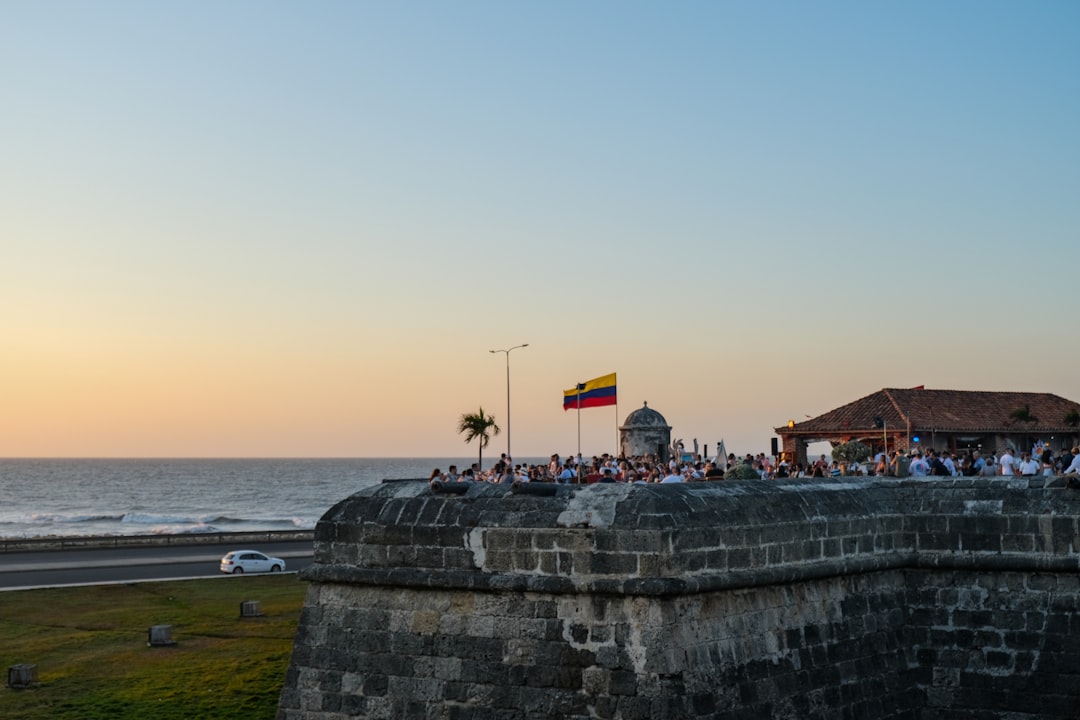
The perfect ending: walk the Old Town walls as the sun drops over the Caribbean you just left.
The Honest Takeaway
Cartagena’s best beaches are on the islands, not the mainland. The Rosario Islands deliver legitimate Caribbean beach experience – clear water, white sand, good snorkeling. They’re not the Maldives but they’re genuinely nice and worth a day trip if you have the time and budget.
Mainland beaches are convenience plays. Bocagrande works if you need a beach within walking distance and accept it’s mediocre. Manzanillo del Mar and La Boquilla offer authentic Colombian beach culture if you’re prioritizing experience over perfection.
Playa Blanca’s reputation is outdated. It was amazing 15 years ago. Now it’s a vendor-infested tourist trap that ruins what could be a nice beach. Skip it despite its continued fame. Better options exist literally everywhere else.
The beach decision comes down to priorities. If you’re visiting Cartagena primarily for colonial architecture, food, and culture, you can skip beaches entirely or just do a quick Bocagrande dip. If Caribbean beach is a priority, dedicate one full day to Rosario Islands and accept that’s the cost of entry for quality.
Don’t expect world-class tropical beaches without the logistics. The pristine deserted beaches everyone imagines require either significant travel (San Bernardo islands 2+ hours away) or don’t exist anymore (Playa Blanca 15 years ago).
Set expectations appropriately, choose based on your actual priorities, and you’ll be happy. Go in expecting Maldives perfection and you’ll be disappointed. Go in expecting nice Colombian Caribbean beaches with some trade-offs and you’ll have a great time.
Planning your complete trip? See how beach days integrate with cultural activities in our 3-day Cartagena itinerary, which balances beach time with Old Town exploration, castle visits, and neighborhood discovery.
Frequently Asked Questions: Cartagena Beaches
What is the best beach near Cartagena?
The Rosario Islands (Islas del Rosario) offer the best beach experience near Cartagena — crystal-clear Caribbean water, coral reefs, and a proper tropical island feel. Day trips run 120,000 to 330,000 COP, roughly $40 to 110 depending on boat and stops, plus about 40,000 COP (around $13) in dock, park and insurance fees paid in cash at the pier, and take 45 to 60 minutes by boat on a direct run (2026). For a closer option, Playa Blanca on Barú Island is popular but very crowded; arrive early or opt for the less-visited northern Barú beaches.
Is Bocagrande beach worth visiting?
Bocagrande beach is convenient (walking distance from Bocagrande hotels) but not particularly impressive — brown sand, murky water, and constant vendor pressure. It’s worth a quick visit if you’re staying nearby, but not worth making a special trip for. For proper Caribbean beach vibes, head to Rosario Islands instead.
How do I get to Playa Blanca from Cartagena?
By boat from Muelle de la Bodeguita (45 to 60 minutes, roughly $22 to $29 round trip plus dock and park fees) or by land over the Barú bridge, 42 km and about an hour by car. The official 2026 taxi tariff is 141,800 COP (about $47) one way, and drivers negotiate down to 100,000 to 120,000 COP. The boat option is faster and more scenic. Go on a weekday to avoid weekend crowds that pack the beach beyond comfort.
Are the beaches in Cartagena clean?
It varies significantly. Bocagrande city beach is average — maintained but not pristine. Rosario Islands beaches are significantly cleaner with clear water. Playa Blanca has improved but still gets littered on busy weekends. The cleaner, more remote beaches require more effort to reach — generally the further from the city, the better the water quality.
Can you swim at Cartagena’s beaches?
Yes, but conditions vary. Bocagrande is swimmable but the water is murky. Rosario Islands have the best swimming with clear, calm Caribbean water and good snorkeling. Playa Blanca is generally swimmable. Always check for red flag warnings, swim near other people, and be aware of occasional jellyfish near some beaches.
What beach should I visit if I only have one day?
Spend that day on a Rosario Islands day trip — it’s the clearest water, most beautiful scenery, and best overall experience. Book through a reputable agency, leave early (8 to 9 AM), and budget $60 to 120 all-in for 2026: the tour itself, about 40,000 COP of pier fees in cash, and lunch extras. If you want to avoid a full day trip, Playa Blanca is the second-best option at roughly half the logistics.
Related Guides
For planning your beach strategy:
- Rosario Islands Complete Guide – Deep dive on island options
- Rosario Islands Day Trip Guide – Tour operator comparison
- Rosario Islands Hotels – Overnight stay options
- 3-Day Cartagena Itinerary – How beach days fit in
- Things to Do in Cartagena – Beach context vs other activities
- When to Visit Cartagena – Weather for beach planning
- Where to Stay in Cartagena – Beach access by neighborhood
- Is Cartagena Safe? – Beach safety specifics
- Getting Around Cartagena – Transport to mainland beaches