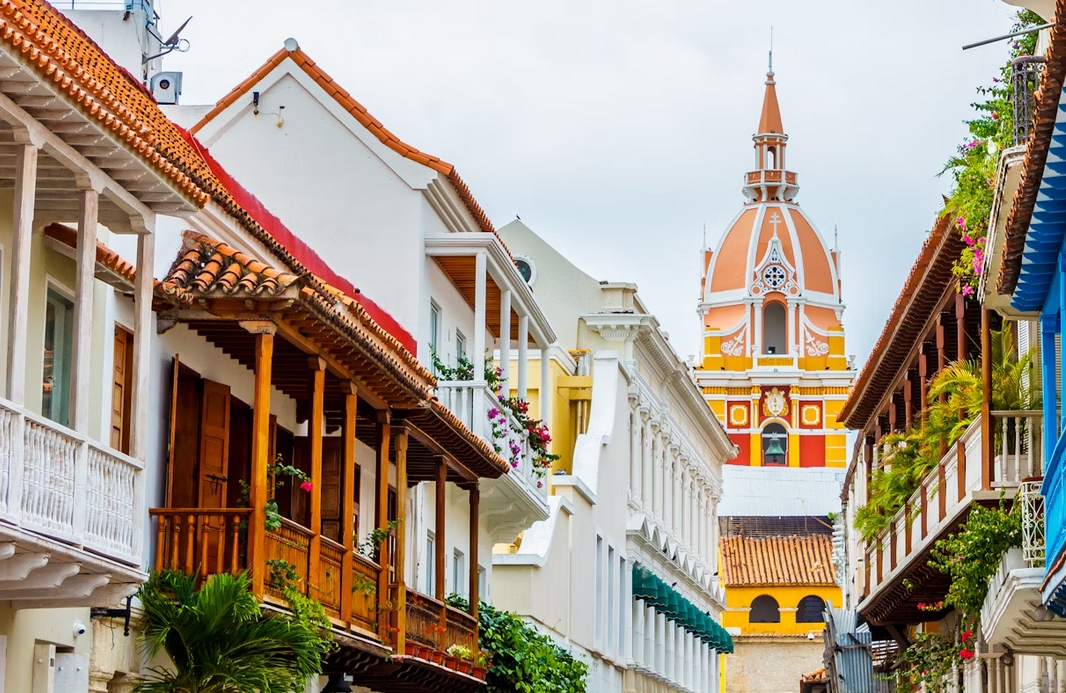
Cartagena’s top things to do include exploring the Walled City (Ciudad Amurallada) at sunrise, visiting Castillo San Felipe fortress, taking a day trip to the Rosario Islands, and experiencing Getsemaní’s street art and nightlife. Most visitors need 3–4 days to cover the highlights. Temperatures range from 27–33°C year-round — the dry season runs December to April.
You’ve heard Cartagena described as “magical” and “enchanting” in every travel blog. Here’s what they won’t tell you: it’s absurdly hot, vendors will follow you for five blocks, and that postcard-perfect beach everyone Instagrams? It’s probably shoulder-to-shoulder with 200 other tourists.
But here’s the thing—Cartagena still delivers. After spending months here, I’ve learned to work around the cruise ship chaos, dodge the tourist traps, and find moments that genuinely feel special. This isn’t the sanitized version. This is what actually works when you visit Colombia’s Caribbean crown jewel. Prioritize the Old Town at sunrise before the heat kicks in, book island tours through legitimate operators (I’ll explain why), and save Getsemaní for evenings when the street art glows under neon lights. Everything else is negotiable.
Planning your trip? See our complete 3-day Cartagena itinerary for a day-by-day breakdown of how these activities fit together, or check our neighborhood guide to choose the best base for exploring the city.
What Makes Cartagena Worth Your Time (Despite the Hype)
Founded in 1533, Cartagena became Spain’s most critical South American port—which also made it a pirate magnet. The Spanish built the most sophisticated military fortifications in the Americas to protect their gold, and those walls are why you’re reading this now.
Think of Cartagena’s geography like Barcelona: Old Town (Ciutat Vella) = touristy but stunning, Getsemaní (El Raval) = artistic and gentrifying, Bocagrande (Barceloneta) = modern beach towers. Same economic patterns, just 15°C warmer.
But here’s the trade-off nobody mentions: Cartagena’s tourism success is killing what made it special. The Old Town that once felt like a living neighborhood now caters almost exclusively to visitors with deep pockets. Locals moved to the suburbs. Boutique hotels replaced family homes. The authenticity everyone chases exists in pockets—you just need to know where to look.
The compromise: Accept that Cartagena is touristy. You’re not discovering anything “undiscovered.” But between December and March, when the heat isn’t trying to murder you and the rains stay away, the city’s energy—salsa spilling from balconies, palenqueras posing with fruit bowls, horses clop-clopping on cobblestones—still hits different.
When Should You Actually Visit Cartagena?
Every guide says December to April. Here’s the breakdown nobody gives you:
December 15 – January 15: Peak insanity. Hotel prices triple. Cruise ships dump thousands daily. The Old Town becomes a human traffic jam. Skip unless you love crowds and spending 40% more.
February – Mid-March: The sweet spot I mentioned earlier. Colombian schools are in session, so domestic tourism drops. Weather stays dry, a nice breeze kicks in around noon. You’ll still share your experience with others, but it’s manageable.
Late March – April: Getting hotter. Brief afternoon showers start appearing in late April. Decent window if you can handle 90°F (32°C) with humidity that makes your clothes stick to your body.
May – November: Rainy season. Not all-day downpours—more like tropical tantrums. Mornings often shine, then around 3 PM the sky opens up for 30-90 minutes. The upside? Hotels cost 30-50% less, beaches have space to breathe, and you might actually meet locals. I honestly don’t mind visiting during these months.
October: The wettest. Just skip it unless you’re really broke.
For the complete breakdown of weather patterns, festivals, and crowd levels by month, see our comprehensive guide to the best time to visit Cartagena. Official travel info: colombia.travel.
Is Cartagena Safe? What Locals Actually Worry About
Reality Check from Someone Who Lived There: Every blog will tell you Cartagena is “safe for a Colombian city.” True. But here’s what they’re dancing around: petty theft is routine. Pickpocketing happens daily in the Old Town. Street vendors can be aggressively persistent—some travelers find it charming, others find it exhausting. I’m in the latter camp after having the same necklace seller follow me for six blocks.
The actual danger level? Low for violent crime against tourists. The tourist police are everywhere in the Walled City, Getsemaní, and Bocagrande. But you will be targeted for scams, overcharging, and opportunistic theft if you look like an easy mark.
What works:
- Keep your phone in your front pocket or leave it at the hotel. Seriously. Motorcycle snatch-and-grabs happen.
- Carry a copy of your passport, not the original (Colombian law technically requires ID, but copies work).
- Use Uber or InDriver instead of street taxis after 10 PM. Yellow taxis are generally fine during the day—just confirm the price before getting in.
- Scopolamine is real. Never accept drinks from strangers, watch your glass, and if someone bumps into you oddly, check your pockets immediately.
What doesn’t work:
- Wearing expensive jewelry or waving your iPhone 15 Pro around the Old Town at night.
- Wandering outside the main tourist zones (Walled City, Getsemaní, Bocagrande, Castillogrande) after dark.
- Leaving bags unattended on the beach while you swim. This isn’t Bali.
For detailed neighborhood safety analysis, specific scam warnings, and emergency contacts, check our complete Cartagena safety guide.
Don’t wait until you arrive—top tours sell out, especially December to March. These are the most booked Cartagena experiences right now:
1. Explore the Walled City (Ciudad Amurallada) – Start at Dawn
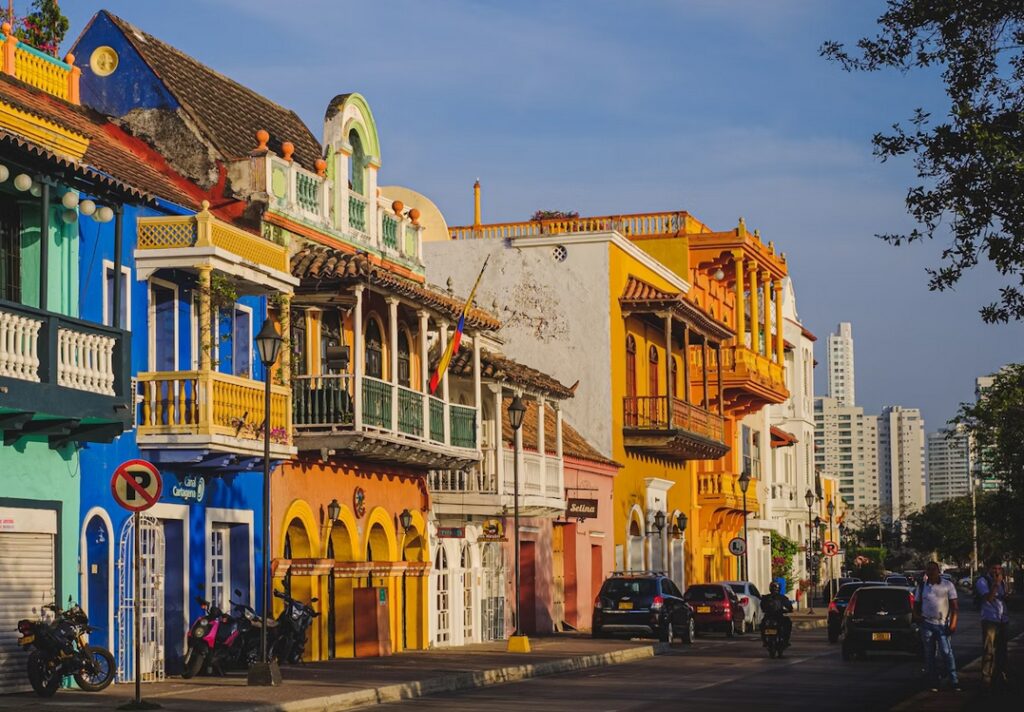
This UNESCO World Heritage Site is why most people come to Cartagena. Think candy-colored colonial buildings with bougainvillea exploding off balconies, narrow streets that actually stay cooler than you’d expect, and plazas where old men play dominoes while tourists Instagram them.
The catch: By 10 AM, it’s a zoo. Cruise passengers flood in. The heat becomes oppressive. Every third person tries to sell you something.
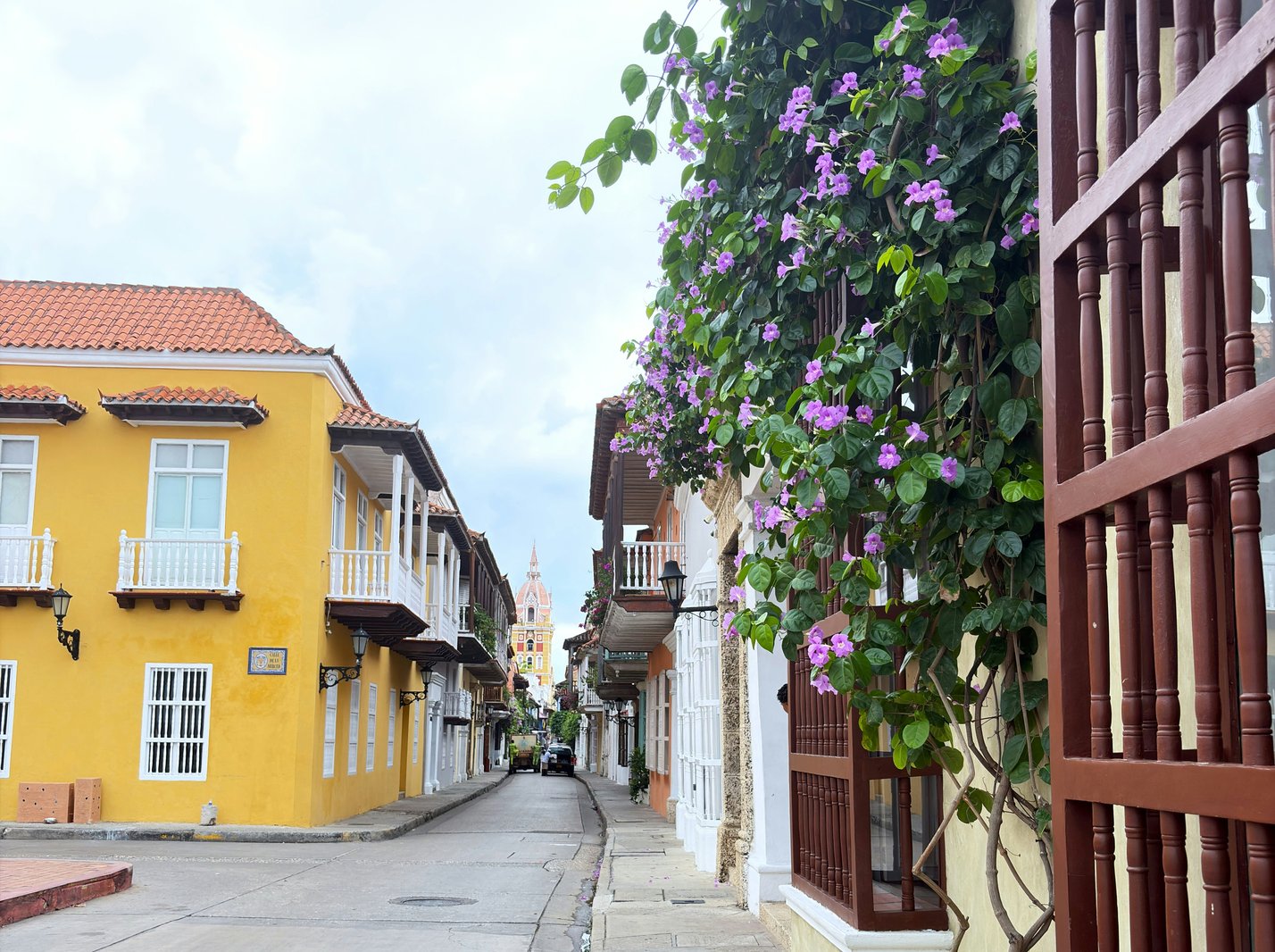
The workaround: Get up before sunrise (yeah, I know). Hit Plaza Santo Domingo around 6:30 AM when it’s still breathable. The light is perfect, locals are buying arepas from street vendors, and you can actually hear your thoughts. Walk the ramparts along the walls—they open early and offer Caribbean views without the crowds.
Specific streets worth walking:
- Calle de la Moneda (near the Cathedral) for colonial architecture without the vendor density
- Plaza de San Diego in the late afternoon—more peaceful than the main squares
- Calle del Arsenal for street art that rivals Getsemaní but with 90% fewer people
2. Get Lost in Getsemaní – After 6 PM
Twenty years ago, taxi drivers warned tourists not to walk here. Post-2016 peace accords, street artists moved in. Then came craft beer bars. Then boutique hostels. Now it’s Cartagena’s hipster heartbeat.
What makes it worth your time: This neighborhood still feels like actual Colombians live here. Families sit on stoops. Kids play soccer in Plaza Trinidad. The street art—seriously, some of the best murals I’ve seen anywhere—covers entire building facades.
When to go: Evening. The heat relents, the plaza fills with impromptu salsa circles, and the energy shifts from sweaty to electric. Grab a beer from one of the tiendas (corner stores where locals hang), pull up a plastic chair, and just watch.
Street art spots people miss:
- The narrow alley behind Calle del Espíritu Santo (look for the octopus mural)
- The basketball court walls on Calle Tripita y Media
- The old railway zone near Parque Centenario
Trade-off: Getsemaní is gentrifying fast. What felt scrappy five years ago now has $15 cocktail bars next to hole-in-the-wall empanada spots. The authenticity clock is ticking.
3. Castillo San Felipe de Barajas – Skip Midday Heat
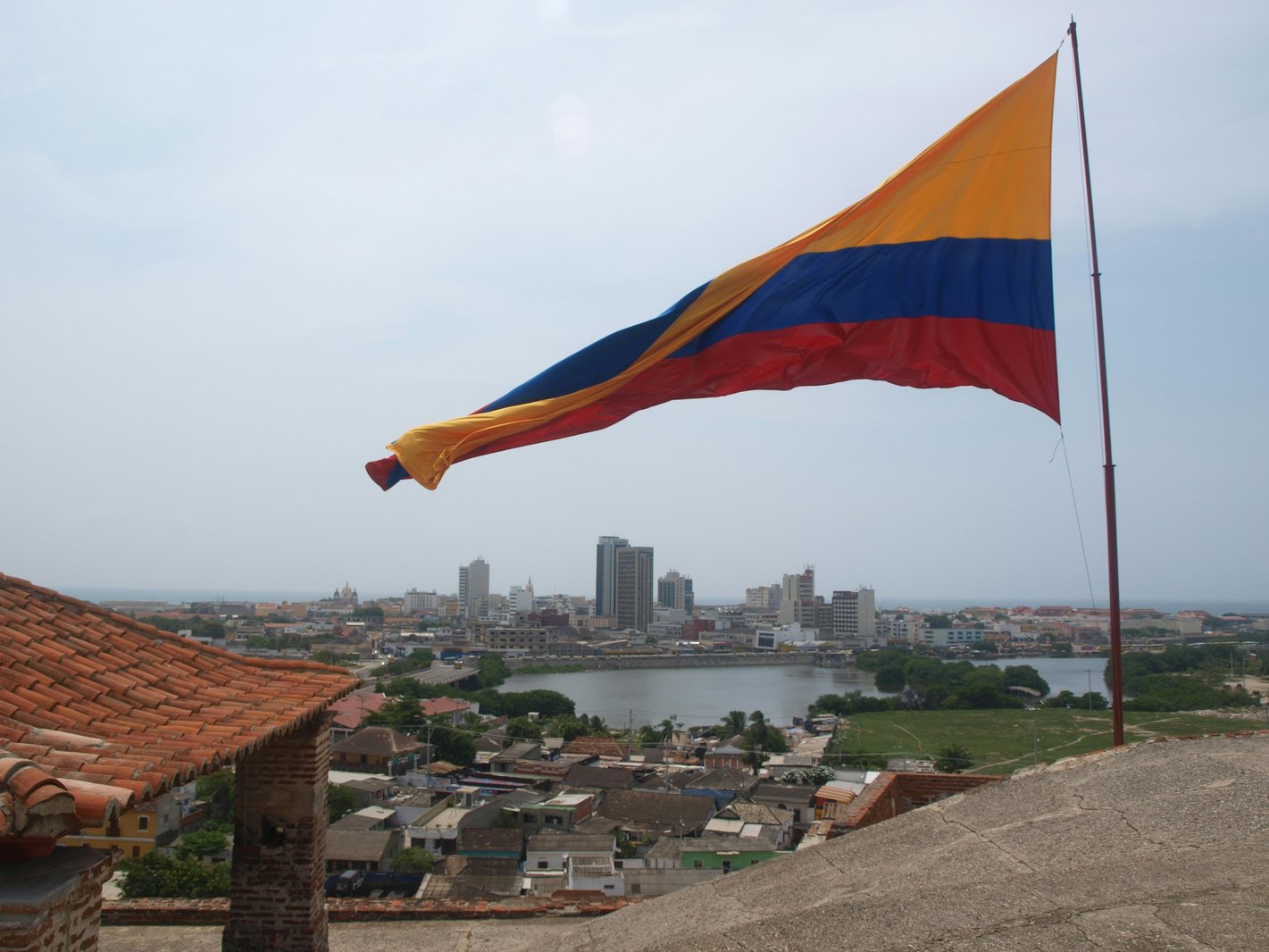
Spain’s crown jewel of military engineering. This fortress never fell to attackers—British, French, nobody breached it. The tunnel system alone is worth the visit: underground passages designed so defenders could move troops without being seen.
The problem: It’s brutally hot. The fortress is built on an exposed hill. There’s minimal shade. By midday, it’s like touring inside an oven.
The solution: Arrive when it opens (8 AM) or go around 4 PM when the sun drops. You’ll have clearer views of the city from the ramparts, and you won’t feel like you’re melting.
Entry: 38,000 COP (about $12) full rate for foreign visitors, set by resolution in January 2026. Budget 1.5-2 hours to explore properly. Bring water—the vendors inside charge triple.
For complete fortress history, tunnel maps, photography tips, and lesser-known defensive structures, see our detailed Castillo San Felipe guide.
4. Rosario Islands Day Trip – Your Most Important Booking Decision
Crystal clear Caribbean water. White sand beaches. Snorkeling among coral reefs (well, what’s left of them after mass tourism damage). The Rosario Islands are Cartagena’s signature beach escape—and the decision you’re most likely to screw up if you book wrong.
Here’s where people go wrong: They grab the cheapest tour from a street vendor. You end up on an overcrowded speedboat, waiting 90 minutes at the dock, getting herded through an aquarium (dolphins in captivity—hard pass), and then dropped at Playa Blanca which is now basically a beach-shaped theme park.
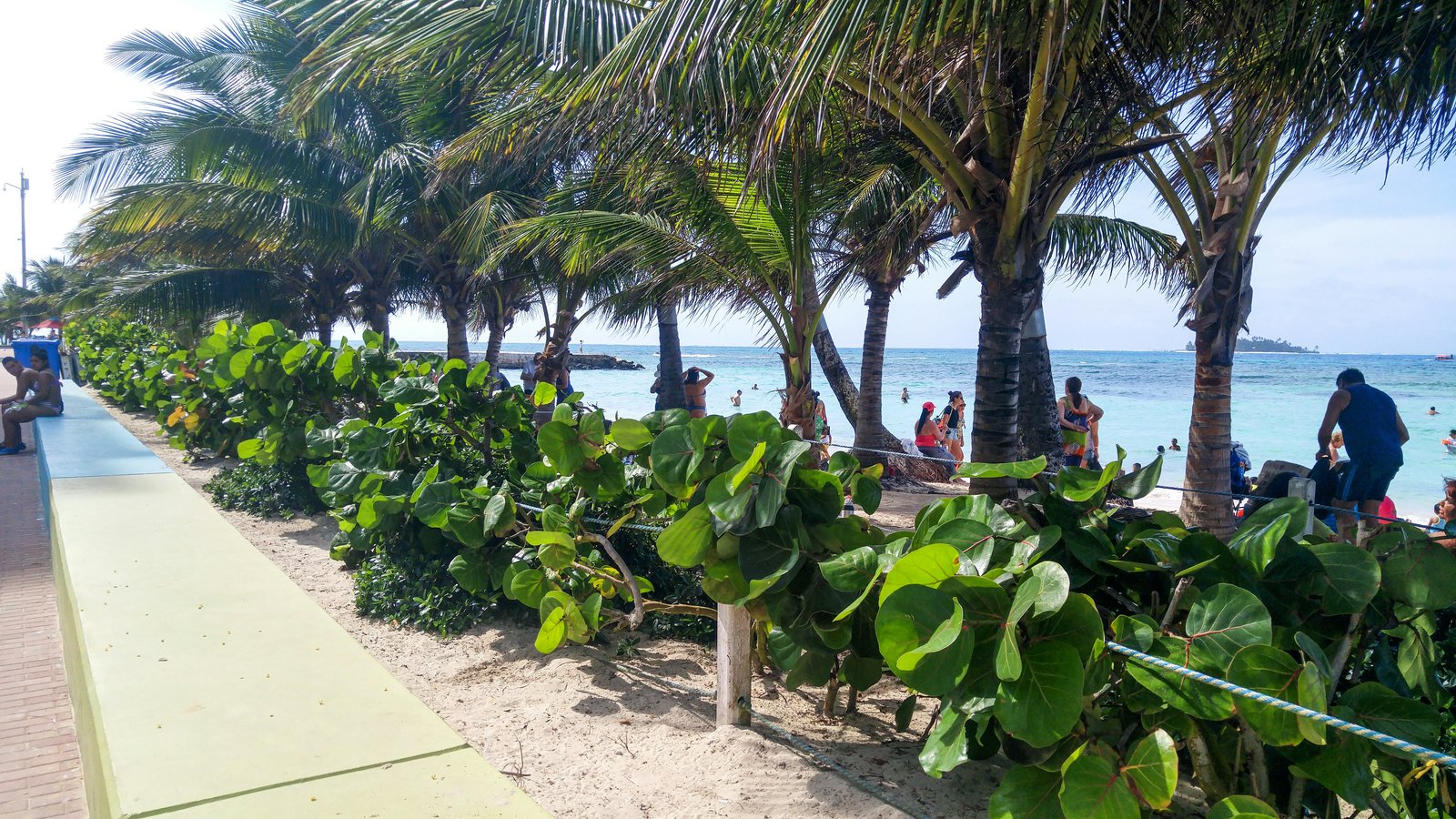
The Rosario Islands vs Playa Blanca debate is basically Santorini vs Mykonos: one’s more exclusive and pristine (Rosarios), the other’s more famous but packed (Playa Blanca). Both beautiful—your crowd tolerance decides.
Reality Check: I’m contradicting what I wrote three years ago. I used to recommend Playa Blanca. I was wrong. It’s been destroyed by its own success. The beach is stunning, sure, but you’ll be elbow-to-elbow with hundreds of others while vendors materialize every 30 seconds. The boat ride there is also rougher than tour operators admit. Motion sickness is common on the return journey when afternoon winds pick up.
| Rosario Islands: Reality Check | Price | What You Actually Get |
|---|---|---|
| Street vendor “deal” | $30-40 | Overcrowded boat, 90min dock wait, surprise fees |
| + “Optional” fees | +$15-20 | Park entrance, aquarium, tip pressure, snorkel gear |
| Legitimate tour (GetYourGuide) | $65-75 | Guaranteed seat, lunch, drinks, no surprises |
| Time on actual beach | Cheap: 1.5hr | Quality: 3+ hours |
The Rosario Islands are Cartagena’s signature beach escape, but choosing the right island and tour operator matters more than most guides admit. The archipelago has 27 islands—some pristine, some party zones, some overcrowded tourist traps. We’ve dedicated an entire guide to this decision, covering which specific islands are worth visiting (spoiler: Isla del Pirata and Isla Grande yes, Cholón and Playa Blanca no), how to spot tour operator scams at the dock, whether overnight stays justify the 3x price premium, and month-by-month timing considerations for water clarity.
Read our complete Rosario Islands guide for the full strategic analysis including island-by-island breakdowns, or jump straight to our day trip operator comparison if you’ve already decided on a day trip and want to book the best-value tour. Planning an overnight stay? Check our Rosario Islands accommodation guide for hotel reviews and booking strategies.
5. Playa Blanca by Land – The Hack Nobody Mentions
If you’re determined to see Playa Blanca despite my warnings, here’s the hack locals use: skip the boat. Hire a taxi to drive you (~120,000-150,000 COP / $38-48 USD for the day). Leave at 7 AM before tour boats arrive. Walk right along the beach to “Playa Tranquila” where vendor density drops by 80%.

The compromise: It’s an hour drive each way. The road got paved, which helped, but you’re still trading convenience for a less chaotic experience. Worth it if you have time and hate crowds. Our Playa Blanca and Baru guide covers the land route, the bus and mototaxi option, and what the beach is like before the boats land.
For a complete comparison of all 12+ beaches near Cartagena (including hidden local spots not covered in this guide), see our comprehensive beaches guide.
6. Tierra Bomba Island – The Underrated Option
Located right at the entrance to Cartagena Bay. Shorter boat ride (15-20 minutes), calmer waters, and because it’s less famous, you actually get beach space.
The trade-off: Water isn’t as crystal clear as the Rosarios—it’s Caribbean nice, not Maldives nice. But you can do half-day trips, the logistics are easier, and it’s genuinely more affordable.
Beach clubs like Punta Arena offer day passes (~60,000-80,000 COP / $19-26) with chairs, umbrellas, and lunch. Book ahead, especially on weekends.
7. Totumo Mud Volcano – Touristy But Genuinely Weird
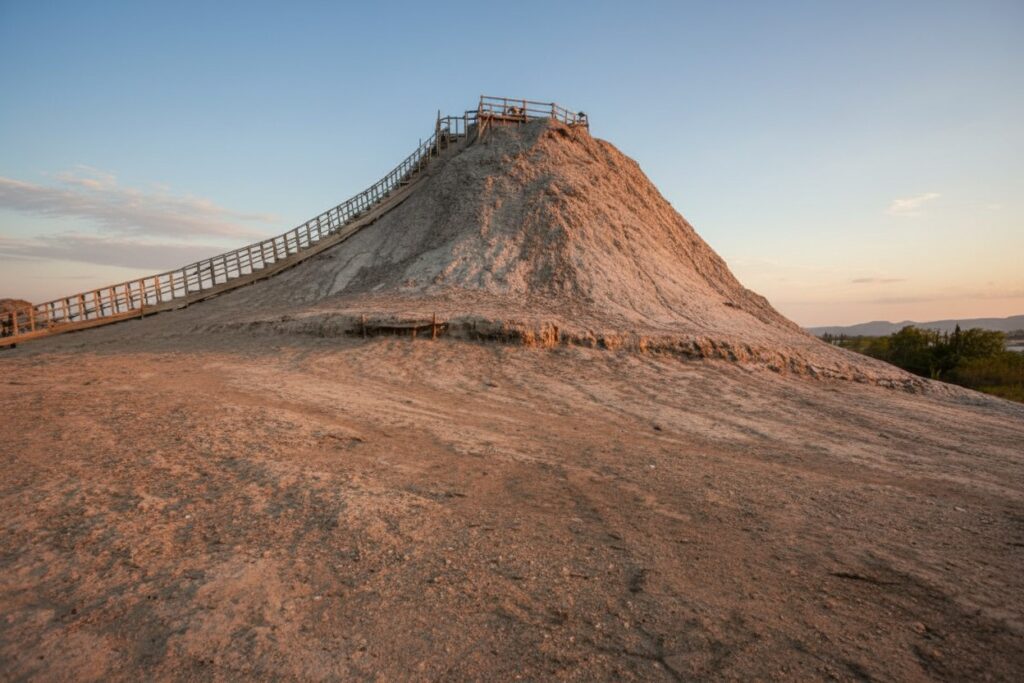
Climb into a 50-foot mud crater. Float in thick, warm volcanic mud. Get aggressively “massaged” by guys working for tips. Get washed off in a nearby lake by women who will also expect tips.
Is it worth it? If you’ve never done anything like it, yes. It’s bizarre enough to be memorable. Your skin will feel soft afterward (or maybe that’s just placebo and marketing).
What they don’t tell you:
- You literally cannot sink. The mud is too dense. Which is cool until you realize you also can’t really move.
- The “massage” guys are very handsy. You can decline, but they’re persistent.
- The washing ladies at the lake will basically strip you down regardless of your comfort level. It’s cultural, but prepare yourself mentally.
- Budget for tips: 5,000-10,000 COP ($1.50-2.50) each for photographer, massage guy, washing ladies. The tour guides should brief you on this.
8. Street Food Tour – Best $42 You’ll Spend
Colombian ceviche is… different. They add mayonnaise and ketchup to the mix. Some people love it. I found it jarring after Peru’s lime-forward version. But that’s why you do a food tour—to try things you’d never order yourself.
Reality Check: Colombian ceviche uses mayo and ketchup—yes, really. If you’re expecting Peruvian-style lime-cured fish, you’ll be confused. It’s different, not worse. Just adjust expectations.
What you’ll typically hit:
- Arepa con huevo from Fritos la Mona (fried corn pocket with an egg inside—sounds weird, tastes incredible)
- Caucho juice from a street vendor (local fruit, sweet and slightly tangy)
- Empanadas filled with things you can’t identify but should eat anyway
- Various fruit vendors along the Bazurto market area
Warning: The Bazurto market is safe during daytime tours, but I wouldn’t wander there solo. It’s rough around the edges.
For restaurant recommendations, best cafes, and the complete Cartagena food scene, see our food guide.
9. Coffee Tasting – Colombia’s Famous Export
Cartagena doesn’t grow coffee—wrong elevation. But Colombia’s coffee is world-famous, and several spots in the city do proper tastings.
Café San Alberto (Plaza Santo Domingo) serves award-winning beans and offers retail bags to take home. Great for a quick quality cup.
Café del Mural does a full tasting experience led by a former scientist who explains brewing methods with quirky humor. More educational, slightly pricier, worth it if you’re a coffee nerd.
Other spots: Libertario Coffee Roasters, Café Quindio.
10. Sunset from a Rooftop Bar – Choose Wisely
Everyone goes to rooftops for sunset. Smart. The heat finally breaks, the light turns golden, and suddenly Cartagena looks like the postcard promised.
Best views:
- Movich Hotel rooftop – Panoramic, less crowded than others
- El Mirador – Overlooks the Clock Tower, Saturday nights get packed
- 51 Sky Bar (Bocagrande) – Modern vibe if you’ve had enough colonial architecture
Budget: Cocktails run 25,000-40,000 COP ($8-13). Not cheap for Colombia, but you’re paying for the view.
Cartagena Activity Planning Guide
Plan your perfect Cartagena itinerary by matching activities to your budget and available time:
🗓️ Budget & Time Guide
Match activities to your budget and schedule:
| ⏰ Time | 💰 Budget ($0-20) | 💰💰 Mid ($20-70) | 💰💰💰 Premium ($70+) |
|---|---|---|---|
| 2-3 Hours | 🍴 Street Food Walk (Free-$15) 🎨 Getsemaní Art (Free) 🏰 Old Town Walk (Free) 🏖️ Bocagrande ($5-10) | 🏰 San Felipe ($12) ☕ Coffee Tasting ($15-25) 🌅 Rooftop Bar ($15-30) | 🚁 Helicopter ($200+) 🚗 Private Tour ($80-120) |
| Half-Day (4-6 hrs) | 🛒 Market Visit ($5-10) 🚶 Walking Tour (Free) | 🌋 Mud Volcano ($30-45) 👨🍳 Cooking Class ($55-70) 🍴 Food Tour ($40-50) 🏖️ Tierra Bomba ($40-60) | 🏖️ Private Beach Club ($60-100) ⛵ Sailing Half-Day ($80-150) |
| Full Day (8+ hrs) | 🏖️ DIY Beach Day ($10-20) | 🏝️ Rosario Islands ($65-90) 🎫 Multi-Activity ($70-100) | ⛵ Private Boat ($150-300) ⛵ Multi-Day Sailing ($500+) |
⏰ 2-3 Hours
💰 Budget ($0-20)
💰💰 Mid-Range ($20-70)
💰💰💰 Premium ($70+)
⏰ Half-Day (4-6 hrs)
💰 Budget ($0-20)
💰💰 Mid-Range ($20-70)
💰💰💰 Premium ($70+)
⏰ Full Day (8+ hrs)
💰 Budget ($0-20)
💰💰 Mid-Range ($20-70)
💰💰💰 Premium ($70+)
Using this guide: The activities above show what fits different budgets and timeframes. For a complete day-by-day plan showing how to actually sequence these activities (accounting for heat, crowds, and logistics), check our 3-day Cartagena itinerary.
11-17. More Cartagena Experiences Worth Your Time
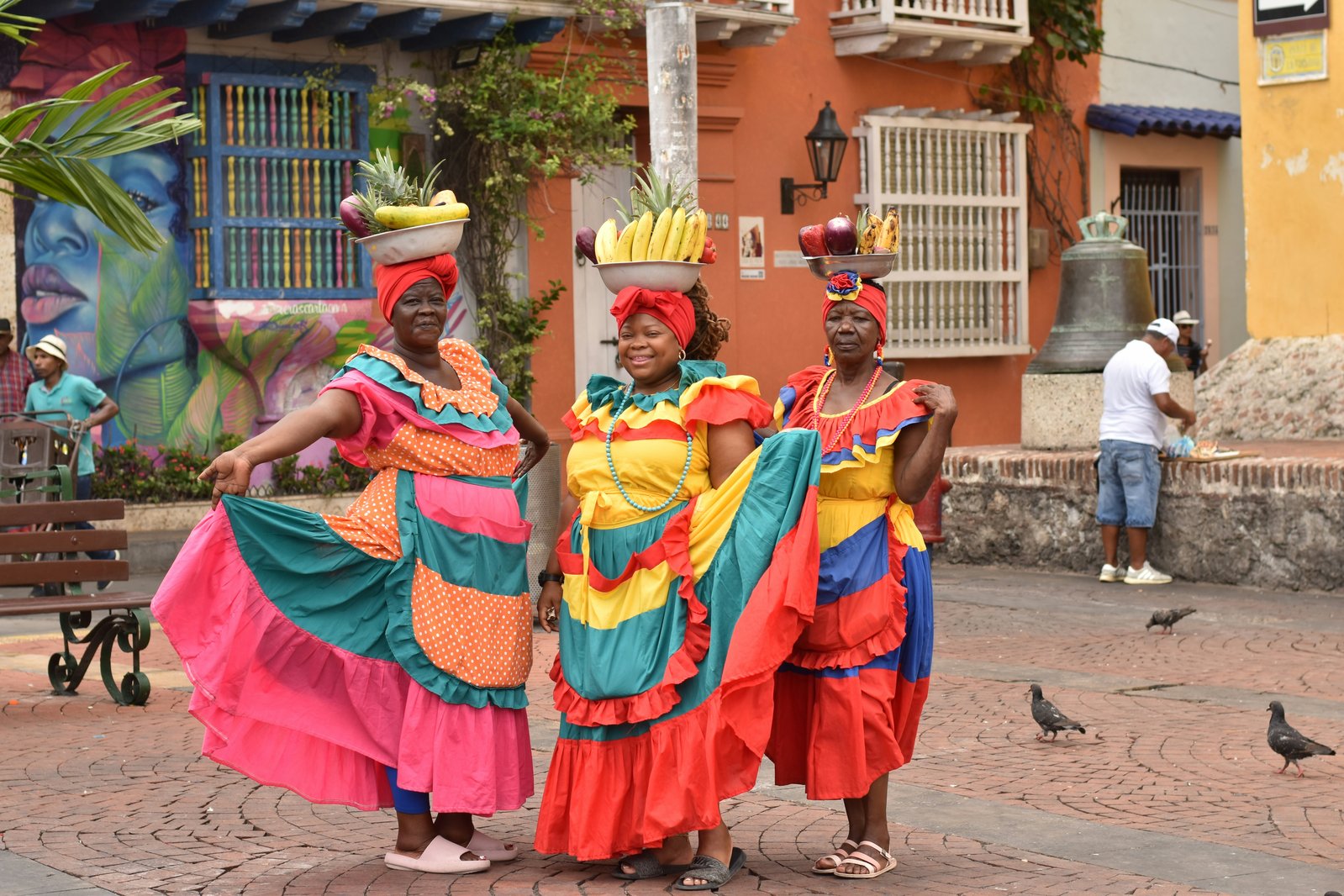
11. Palenqueras Photo – Those women in colorful dresses balancing fruit bowls? Descendants of escaped slaves who founded the first free African town in the Americas. ~10,000-20,000 COP ($3-6) for photos. Just be respectful—they’re working, not props.
12. Museo del Oro Zenú – Small gold museum. Pre-Columbian artifacts. Free entrance. The AC alone makes it worth a 30-minute stop when the heat becomes unbearable.
13. Palace of the Inquisition – Colonial building turned torture museum. Grim but informative. Good for history buffs. Maybe skip with kids under 10.
14. La Boquilla Mangrove Tour – Fishing village north of the city. Paddle through mangrove tunnels, spot birds, escape the tourist bubble for a few hours.
15. Bocachica Forts – Old Spanish forts at bay entrance. Harder to reach, less polished than San Felipe, but impressive if you love military history.
16. Cooking Class – Make your own Colombian meal. Classes include market visits to buy ingredients, about 3 hours total, you eat what you make.
17. Salsa Lessons – Colombians dance. If you can’t at least fake basic salsa steps, you’ll spend every evening watching from the sidelines. Several schools in Getsemaní offer drop-in classes (~20,000-30,000 COP / $6-10 per session).
18. Cartagena Nightlife – Where to Actually Go
Cartagena’s nightlife operates on Colombian time—things don’t start until 11 PM, don’t peak until 1 AM, and go until sunrise if you can hang.
Reality: I’m going to list the top venues here, but the nightlife scene deserves more detail than I can give in this overview. For complete coverage of dress codes, entry fees, neighborhood-by-neighborhood breakdowns, and safety tips specific to each venue, see our dedicated Cartagena nightlife guide.
Not Sure Where to Start? Join a Pub Crawl
First time navigating Cartagena nightlife? Pub crawls solve the logistics: which bars are good that night, when to go, how to avoid cover charges.
Top venues (brief overview):
Alquimico – Multi-story cocktail bar, award-winning mixologists, rooftop with live music. Pricey ($10-15/drink) but worth experiencing once.
Café Havana – Old-school salsa joint. Live bands start around 11 PM. Sweaty, crowded, exactly what you want from a salsa club.
Bazurto Social Club – Champeta music (Caribbean-African fusion unique to Cartagena), local crowd, less pretentious than Old Town spots.
El Barón – Probably the best overall club. Three levels, good sound system, mix of locals and travelers.
La Movida – Upscale, bougie, expensive. Four zones including a rooftop. You’ll see wealthy young Colombians here, not backpackers. <blockquote> <strong>Local Secret:</strong> Locals skip the tourist bars on Friday/Saturday. They go to spots like Donde Fidel (low-key Getsemaní bar) early, then hit clubs around 1 AM when the real party starts. Tourist bars empty out by 2 AM—local spots just getting started. </blockquote>
Safety note: Never leave drinks unattended. Scopolamine dosing happens in Cartagena clubs. Just be smart.
19-25. Additional Activities Worth Your Time
19. Bora Bora Beach Club – Private beach club, advance booking required, expensive but actually nice
20. Aviary (Aviario Nacional) – Bird sanctuary outside city, good for families, ~50,000 COP entrance
21. Horse-drawn carriage tour – Tourist trap but romantic. Negotiate prices hard (~80,000-120,000 COP for 45-60 minutes)
22. Plaza Bolívar people-watching – Free. Grab a bench, watch palenqueras work, enjoy the afternoon.
23. Las Botas Viejas (Old Boots statue) – Instagram spot at Getsemaní entrance. That’s it. That’s the activity.
24. Coffee at sunset – Grab Colombian coffee from a street vendor, find a wall along the ramparts, watch the sun set over the Caribbean. Free + $1 coffee.
25. Mercado Bazurto – The real Cartagena. Chaotic market where locals shop. Go with a guide during the day. Not for the faint of heart.
💰 Multi-Day Packages (Better Value)
26. Casa Museo Gabriel García Márquez — Nobel Prize-winning author of Love in the Time of Cholera set parts of his novel in Cartagena de Indias. His former home in the Old Town is now a museum. Free to enter, takes about 30 minutes. Even if you have not read Gabo, the colonial courtyard alone is worth the stop.
27. Convento de la Popa (La Popa) — The highest point in Cartagena at 150m, with panoramic views of the city, bay, and Caribbean. Built in 1607 by Augustinian monks. Entrance approximately 15,000 COP ($5). Go by taxi — the road up is too steep to walk safely. Best visited in the morning before heat peaks. Often combined with Castillo San Felipe in a half-day history loop. The Torre del Reloj (Clock Tower) — the iconic yellow gateway into the Walled City — is your landmark for orienting yourself in the Old Town.
What NOT to Do in Cartagena
Don’t buy drugs. Colombian cartels are less powerful than the Pablo Escobar era, but you don’t want to find out how much less.
Don’t accept “free” rap performances. Street rappers will freestyle for you, then demand payment. Just walk away.
Don’t take photos of military/police without asking. They don’t like it.
Don’t drink tap water. Stick to bottled.
Don’t assume Spanish isn’t necessary. English works in tourist areas, barely exists elsewhere. Learn basic phrases.
Budget Reality Check – What Cartagena Actually Costs
Cartagena is Colombia’s most expensive city. Your money won’t stretch like it does in Medellín or Bogotá.
Cartagena’s pricing trajectory mirrors Prague 15 years ago: getting expensive as tourism explodes, but still reasonable if you know where to look. Give it another decade and it’ll be full Costa Rica prices. Go now.
Daily budget estimates (2025 prices):
| Category | Budget | Mid-Range | Upscale |
|---|---|---|---|
| Accommodation | $20-40 | $60-120 | $150+ |
| Food | $15-25 | $30-50 | $60+ |
| Activities | $20-40 | $50-80 | $100+ |
| Transport | $5-10 | $15-25 | $30+ |
| Total/Day | $60-115 | $155-275 | $340+ |
For complete breakdown of costs, money-saving tips, and where locals eat/shop, see our Cartagena budget guide.
Getting Around: Transport That Works
From the airport: Book private transfer ahead (~45,000-60,000 COP / $14-19) or use Uber, which is legal in Colombia but awkward for airport pickups. Official taxis from the airport run on fixed zone fares printed at the rank, so there is nothing to negotiate, see our airport arrival guide.
Within the city:
- Walking: Covers most tourist zones (Walled City, Getsemaní)
- Uber/InDriver: Reliable, safe, shows price upfront
- Yellow taxis: Fine during the day, confirm price before getting in (typical Walled City to Bocagrande: 12,000-15,000 COP / $4-5)
- Motorcycle taxis: Cheap and fast but technically illegal in tourist areas. Your call on the risk.
For complete transport guide including bus routes, water taxis, how to rent scooters, and navigating the dock area for island trips, see our getting around Cartagena guide.
Where to Base Yourself
Quick neighborhood breakdown:
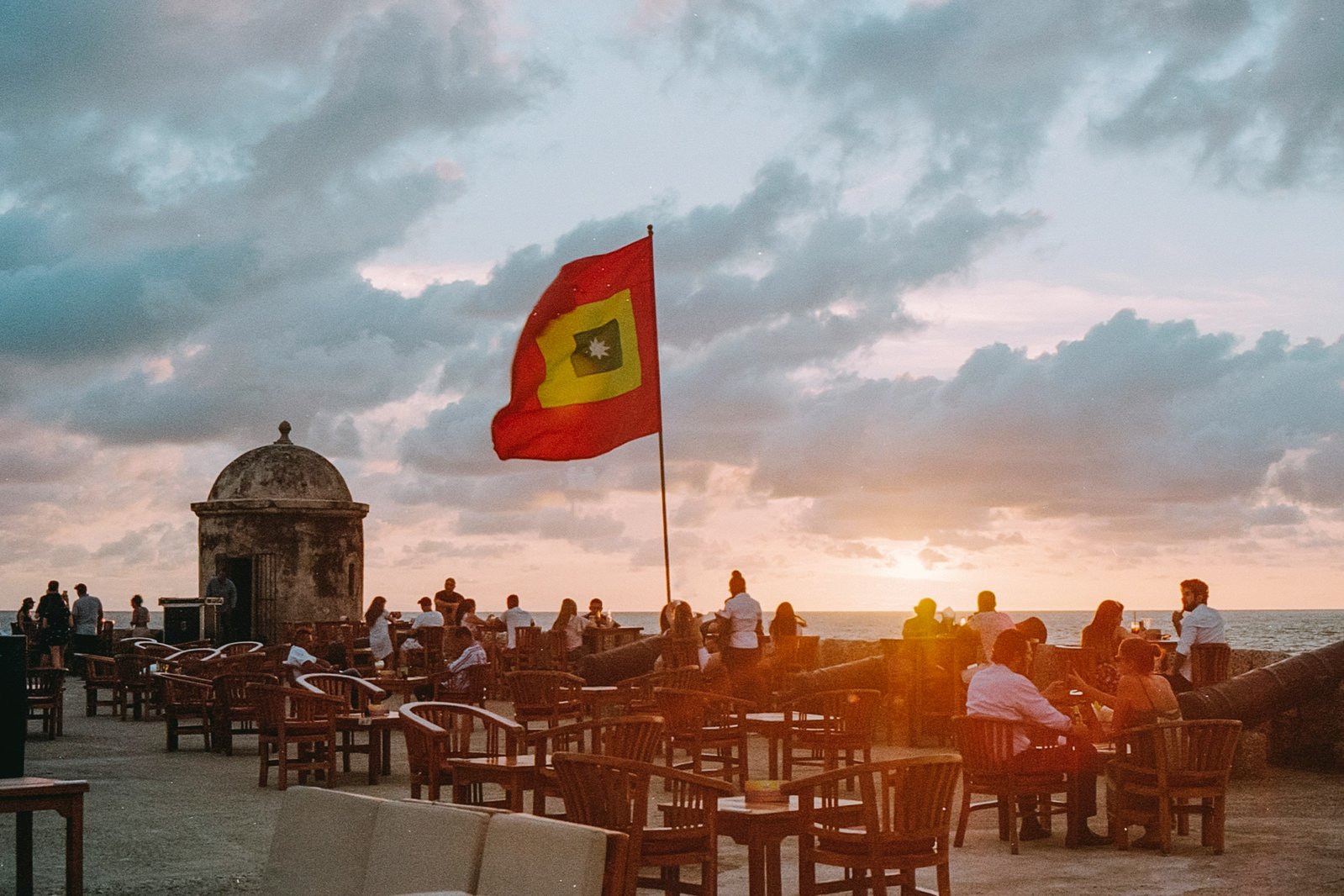
Old Town (Walled City): Most expensive, most convenient, most touristy. Worth it if budget allows.
Getsemaní: Cheaper, hipper, more authentic. Walking distance to Old Town but with better nightlife and restaurant value.
Bocagrande: Beach hotels, modern high-rises, less colonial charm. Good for families who want beach access.
Castillogrande: Residential, quieter, harder to find accommodations but peaceful if you do.
For complete transport guide including bus routes, water taxis, and how to rent scooters, see our getting around Cartagena guide.
The Honest Takeaway
Cartagena isn’t perfect. It’s hot as hell, aggressively touristed, and expensive for Colombia. Street vendors will exhaust you. You’ll pay more than you should for things. The “undiscovered” vibe everyone talks about? Gone.
But if you time it right (February-March), manage expectations, and cherry-pick experiences, Cartagena still hits. The Old Town at sunrise before the crowds is genuinely beautiful. Dancing salsa in a sweaty club at 2 AM while locals cheer you on feels good. Island hopping when you book smart beats most Caribbean alternatives.
Just don’t expect magic. Expect a colorful, historically significant, frustratingly touristy city that occasionally surprises you—usually when you stop trying so hard to find the “authentic” experience everyone promises.
Perfect 2-Day Cartagena Plan
Start at the fortress before the heat arrives. 90 minutes is enough to see everything.
Walled city, city walls, Plaza Bolívar, Portal de los Dulces — best done in the morning cool.
Affordable, authentic, colourful. Better value than Old Town for food.
The neighbourhood transforms in afternoon: murals, music, cafés, street life.
The city walls at golden hour with the Caribbean behind you. Free and unforgettable.
Book the night before. This is the unmissable experience. Full day on the water.
Back in the city in time for a rooftop cocktail.
Old Town restaurants, then Getsemaní for live music and local bars.
Essential Packing List
- Sun protection: SPF 50+, reapply every 2 hours. Colombia’s equatorial sun doesn’t mess around.
- Light, breathable clothes: Cotton or linen. You’ll change 2-3 times daily due to sweat.
- Comfortable walking shoes: Cobblestone streets wreck your feet. Broke in before you arrive.
- Small day bag: Cross-body style that’s hard to pickpocket.
- Cash in small bills: Many places don’t break 50,000 or 100,000 COP notes.
- Basic Spanish phrases: Download offline translator. You’ll need it.
- Insect repellent: Especially if visiting mangroves or beaches at dusk.
Frequently Asked Questions
Is Cartagena worth visiting?
Yes — Cartagena is Colombia’s most visually stunning city. The Walled City (UNESCO World Heritage Site), Castillo San Felipe fortress, and Rosario Islands day trips are genuinely impressive. The trade-off is heavy tourism, high prices by Colombian standards, and persistent heat. Time your visit for February–March for the best experience.
How many days do you need in Cartagena?
3–4 days covers the main highlights: one day for the Old Town and Castillo San Felipe, one full day for the Rosario Islands, one evening in Getsemaní, and a half-day for beaches or the Mud Volcano. Two days is possible but rushed. Five or more days allows you to explore neighborhoods and additional day trips.
What is the best time to visit Cartagena?
February to mid-March is the sweet spot. The dry season runs December–April, but December–January brings peak crowds and prices. May–November is rainy season — afternoon showers of 30–90 minutes are common, but hotels cost 30–50% less and beaches are quieter. October is the wettest month and best avoided.
Is Cartagena safe for tourists?
Cartagena is safe for violent crime — tourist police patrol the main areas constantly. The real risks are petty theft, motorcycle snatch-and-grabs, and scams targeting obvious tourists. Stick to the Walled City, Getsemaní, Bocagrande, and Castillogrande after dark. Use Uber or InDriver instead of street taxis at night.
Related Guides
Dive deeper into specific topics:
- Rosario Islands Complete Guide – Which islands, overnight stays, hidden beaches
- Rosario Islands Day Trip – Detailed tour comparison
- Castillo San Felipe Guide – History, photography tips
- Beaches Guide – All 12+ beaches compared
- Safety Guide – Neighborhood analysis, scams
- Nightlife Guide – Complete venue list, dress codes
- Food Guide – Restaurants, markets, cooking classes
- Cost of Living in Cartagena – Monthly rent, bills, groceries for longer stays
- When to Visit – Weather, festivals, crowd calendar
- Where to Stay – Neighborhood breakdown
- 3-Day Itinerary – Complete day-by-day plan
- Budget Guide – Money-saving tips
- Getting Around – Transport deep dive