
Every Cartagena safety guide either terrifies you with cartel stories from the 1980s or pretends it’s completely safe and you should wander anywhere with your phone out. Here’s the truth: Cartagena sits somewhere in the middle – safer than most Colombian cities but not as safe as tourist brochures suggest.
The main tourist zones (Old Town, Getsemaní, Bocagrande) are generally safe during the day with normal precautions. Violent crime against tourists is uncommon. What you actually face: aggressive vendors, pickpocketing in crowds, taxi overcharging, and scopolamine drugging (rare but real). The neighborhoods matter enormously, and the divide is between the tourist core and the outer districts rather than between named barrios you have heard of. Most visitors have zero safety issues if they follow basic urban travel rules.
This guide breaks down exactly what risks exist, which neighborhoods are safe when, the specific scams that actually happen to tourists (not theoretical fears), how women and LGBTQ+ travelers should adjust expectations, and what locals themselves worry about versus what tourists obsess over.
Planning your trip? After understanding safety patterns, see our neighborhood accommodation guide to choose the safest area for your base, and our 3-day itinerary shows how to structure days to maximize safety and minimize risk windows.
The Honest Safety Assessment
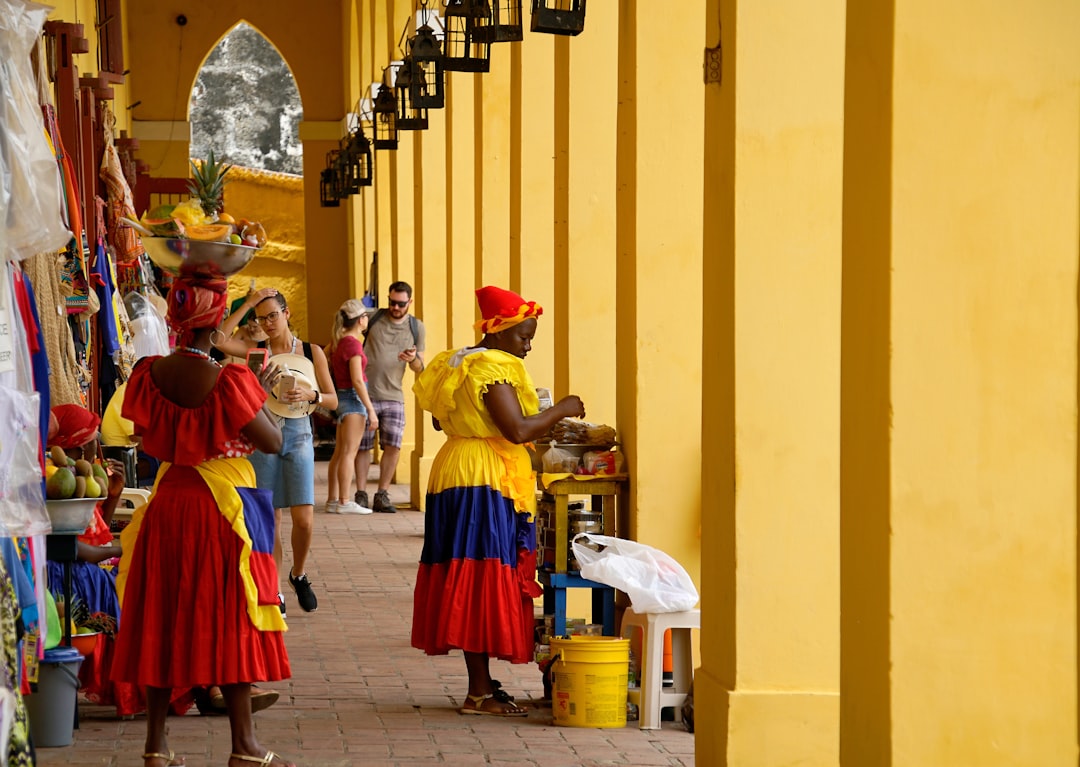
Let’s establish baseline reality before diving into specifics:
What Cartagena Is NOT:
❌ Not a war zone – Colombia’s FARC peace deal (2016) dramatically improved security nationwide. The cartel violence of Pablo Escobar’s era (1980s-1990s) is history. Cartagena was never a major conflict zone anyway.
❌ Not completely unsafe – Millions of tourists visit annually without incident. The Colombian government heavily protects tourist areas. You’re not risking your life by visiting.
❌ Not Rio/Johannesburg dangerous – Cartagena doesn’t have the violent crime rates of Latin America’s most dangerous cities. It’s not in the same category.
What Cartagena IS:
✅ A developing city with poverty – Economic inequality exists. Some neighborhoods are rough. Opportunistic theft happens.
✅ Tourist-dependent with hustle culture – Vendors are aggressive. Everyone wants your money. The pressure is constant and exhausting.
✅ Safe in tourist zones, thinner cover elsewhere – The divide is stark. Old Town has tourist police every 50 meters. Residential districts have ordinary policing, which is not the same as being unsafe. Know where you are.
✅ Safer than 10 years ago – Security has improved. Tourist numbers have exploded (they wouldn’t if it was genuinely dangerous).
The Statistical Reality:
Violent crime against tourists: Low. Armed robbery, assault, kidnapping – these make headlines precisely because they’re rare.
Property crime against tourists: Moderate to high. Pickpocketing, phone snatching, bag theft – common in crowded areas.
Scams targeting tourists: High. Overcharging, fake police, diversion tactics, scopolamine – these are the actual threats you’ll face.
Reality Check from Someone Who Lived There: I spent months in Cartagena. Never felt physically threatened. But I got pickpocketed once (crowded market), taxi drivers tried to overcharge constantly, vendors followed me for blocks, and I learned to never accept drinks from strangers (scopolamine stories are real). The danger isn’t violent crime – it’s exhausting vigilance. You’re constantly on guard against petty theft and scams. That mental fatigue is what nobody warns you about.
Safety by Neighborhood: The Geographic Reality
Location determines your safety more than anything else. Here’s the breakdown:
Old Town (Centro Histórico / Walled City) ⭐⭐⭐⭐⭐
Safest area in Cartagena
Daytime (6 AM – 10 PM):
- ✅ Tourist police everywhere
- ✅ Heavy foot traffic (safety in numbers)
- ✅ Security cameras abundant
- ✅ Vendors annoying but not dangerous
- ⚠️ Pickpockets work crowded areas (watch phone/wallet)
Nighttime (10 PM – 6 AM):
- ✅ Still very safe to walk (within walls)
- ✅ Police patrols continue
- ✅ Well-lit streets
- ⚠️ Fewer people around (but still safe)
- ⚠️ Watch for motorcycle snatch-and-grabs (rare but happens)
Verdict: Walk freely day or night inside the walls. Basic precautions (phone in pocket, bag across body) are sufficient.
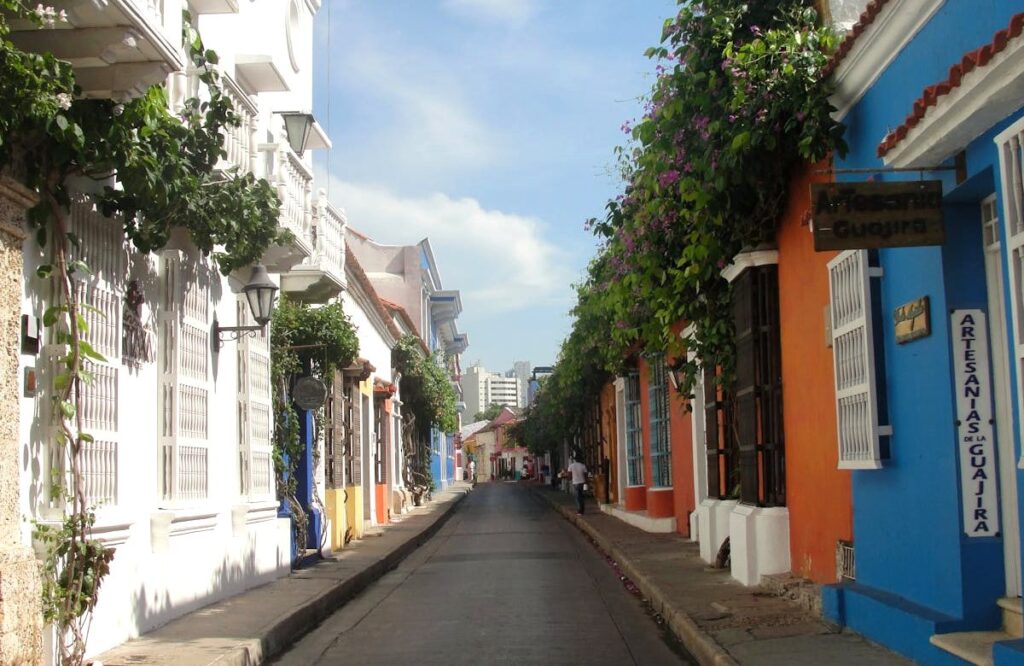
For detailed Old Town exploration routes and which plazas are safest, see our complete activities guide.
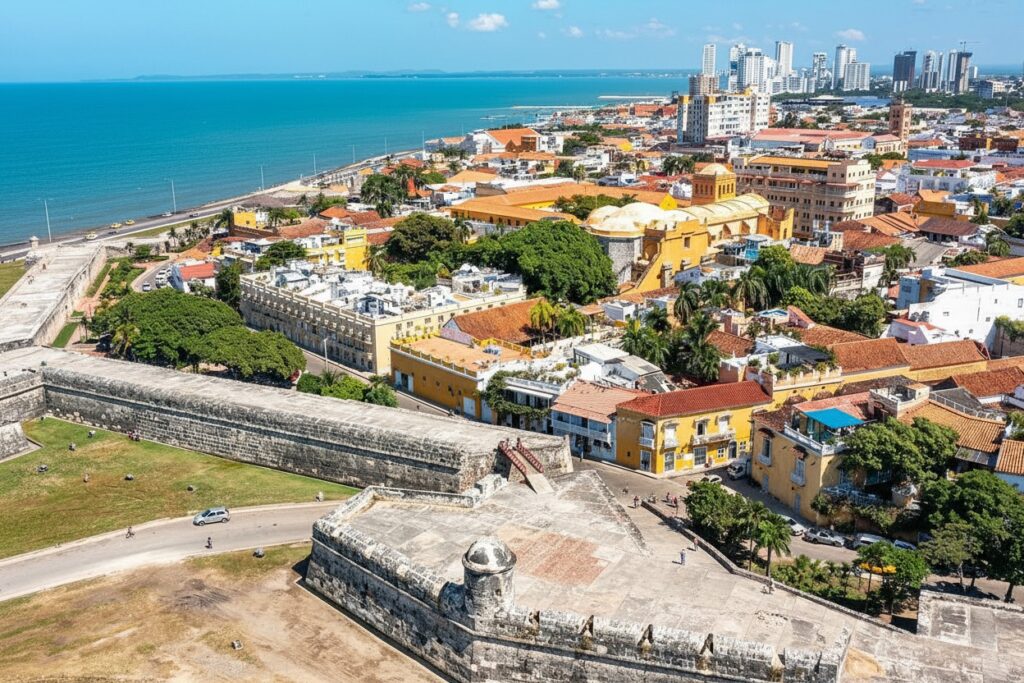
Getsemaní ⭐⭐⭐⭐
Generally safe with exceptions
Main Areas (Plaza Trinidad, Calle del Guerrero, Media Luna):
Daytime:
- ✅ Safe to walk
- ✅ Mix of locals and tourists
- ✅ Vendor presence (annoying but not dangerous)
- ⚠️ Watch belongings in crowded areas
Nighttime:
- ✅ Main streets well-lit and busy (safe until midnight+)
- ✅ Bars/restaurants create foot traffic
- ✅ Generally fine to walk
- ⚠️ Some begging (usually harmless)
Edge Areas (Toward Parque Centenario, Chambacú):
Daytime:
- ⚠️ Rougher aesthetic but usually fine
- ⚠️ Less tourist infrastructure
- ⚠️ Keep phone away
Nighttime:
- ❌ Avoid walking (take Uber)
- ❌ Street lighting poor
- ❌ Higher robbery risk
Verdict: Getsemaní’s main tourist streets are safe. Edges get sketchy after dark. Know your exact location – three blocks makes huge difference.
For specific Getsemaní streets and which areas to avoid after dark, see our neighborhood accommodation guide.
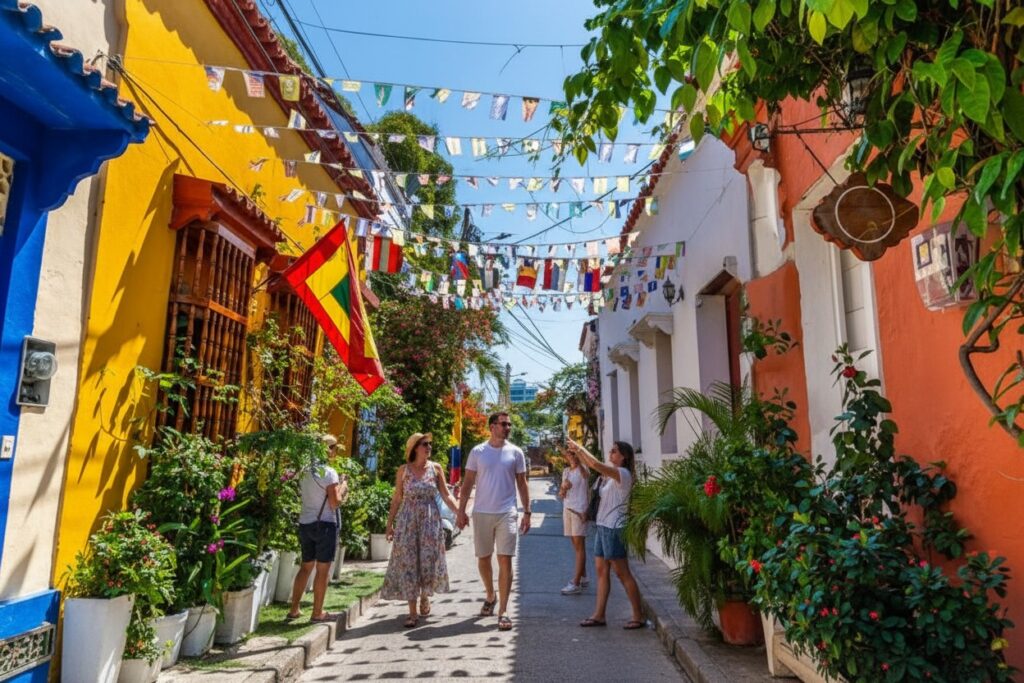
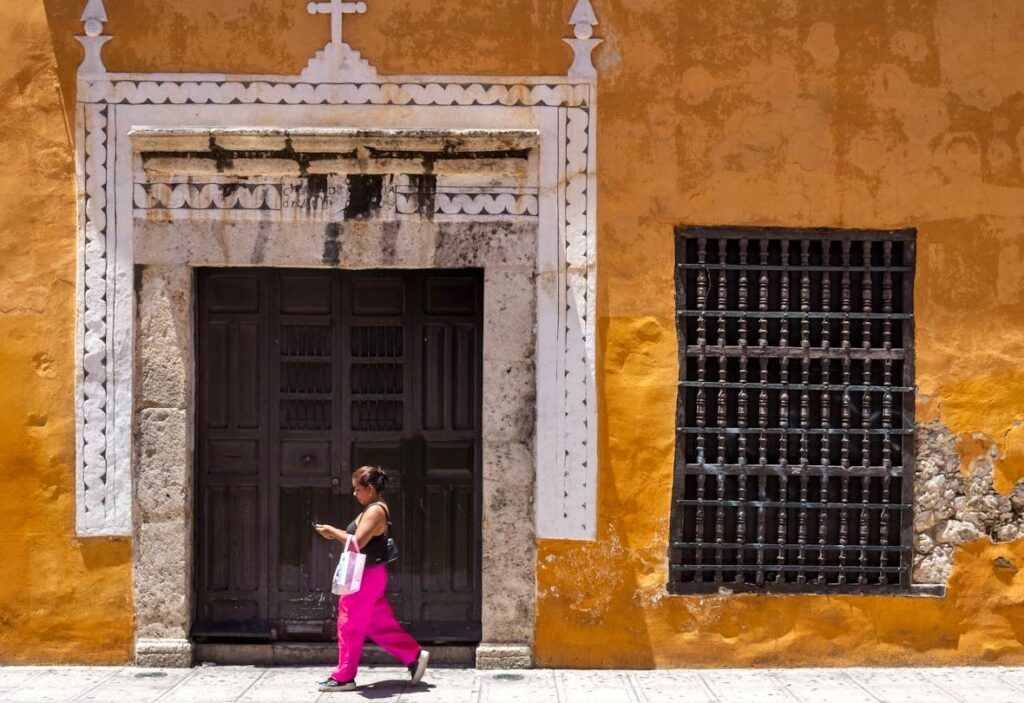
Cartagena’s tourist neighborhoods offer a mix of colonial architecture, street art, and vibrant local life — and with the right precautions, exploring them is perfectly safe.
Bocagrande ⭐⭐⭐⭐
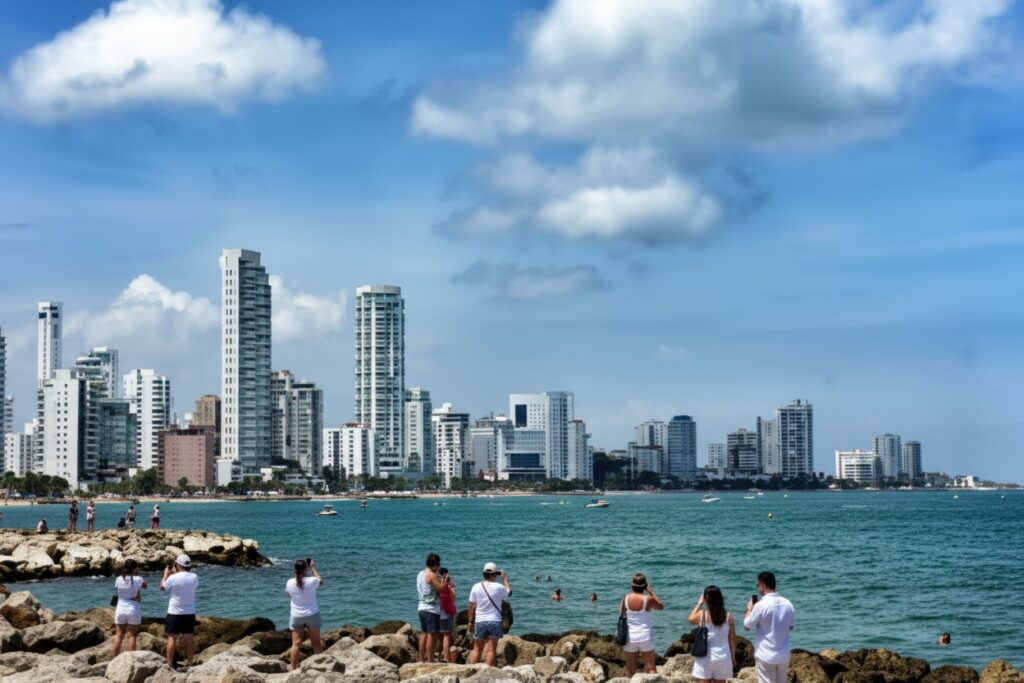
Safe but isolated
Daytime:
- ✅ Hotel security present
- ✅ Tourist police patrol beach
- ✅ Generally safe on main avenue
- ⚠️ Beach vendors persistent (not dangerous)
- ⚠️ Don’t leave belongings unattended on beach (theft)
Nighttime:
- ✅ Main avenue safe (hotel zone)
- ⚠️ Side streets darker, less trafficked
- ⚠️ Take Uber for longer distances
Verdict: Safe tourist bubble but boring. You’re in a hotel zone, not exploring city. Beach theft is the main risk.
Castillogrande ⭐⭐⭐⭐
Quiet residential, generally safe
Daytime:
- ✅ Very quiet
- ✅ Residential security
- ✅ Low crime
Nighttime:
- ⚠️ Very quiet (too quiet – isolated feeling)
- ⚠️ Take Uber (don’t walk long distances)
Verdict: Safe but you need transport to go anywhere. More about isolation than danger.
Manga ⭐⭐⭐⭐
Residential island, quieter than its reputation
Daytime:
- ✅ Residential streets, low foot traffic
- ✅ Republican-era mansions from 1900 to 1920, several listed as national heritage
- ✅ Popular with long-stay foreigners and language students
Nighttime:
- ⚠️ Poorly lit in places, so take a taxi rather than walking the length of it
- ⚠️ Almost nothing open, which is isolation rather than danger
Verdict: Safe and quiet, and I was wrong about this for a long time. The container terminal of the Sociedad Portuaria sits on the same island, which is where Manga’s industrial reputation comes from, but the port is a fenced zone and the residential streets are a separate world from it. The real reason not to base a short trip here is that there is little to do, not that it is dangerous.
AVOID THESE AREAS ❌❌❌
La Matuna:
- Business district
- Dead after 6 PM
- Unsafe to walk at night
- Day: pass through in taxi only
Chambacú:
- Poor neighborhood beyond Getsemaní
- Tourist robbery risk
- Don’t wander here
Northern suburbs (Pozón, Nelson Mandela, etc):
- Extremely poor areas
- High violence
- Zero reason for tourists to be there
Rule: If you’re asking yourself “should I be here?” – you probably shouldn’t. Tourist areas are obvious. If it feels sketchy, it is.
Safety by Time of Day
Time matters as much as location:
6 AM – 10 AM: SAFEST
- Locals going to work
- Streets busy but not chaotic
- Criminals still sleeping (seriously)
- Best time for solo walks, photography
10 AM – 6 PM: SAFE (With Caution)
- Peak tourist hours
- Crowds = safety in numbers
- Also crowds = pickpocket opportunities
- Vendor pressure maximum
- Stay hydrated, heat makes you less alert
6 PM – 10 PM: GENERALLY SAFE
- Restaurants/bars create foot traffic
- Old Town/Getsemaní main areas fine
- Stick to well-lit, busy streets
- Uber for neighborhood transitions
10 PM – 2 AM: CAUTION
- Old Town still safe (police present)
- Getsemaní main streets okay (nightlife)
- Uber for most movement
- Don’t walk alone in quiet areas
2 AM – 6 AM: RISKY
- Streets empty
- Police presence reduced
- Higher robbery risk
- Always Uber (even short distances)
- This is when motorcycle snatch-and-grabs happen
What Actually Happens to Tourists: Real Threats
Let’s address actual risks versus theoretical fears:
Common (You’ll Likely Encounter):
1. Aggressive Vendors
- Palenqueras follow you for blocks
- Street sellers approach constantly
- Massage offers on beaches
- Tour touts at every corner
Reality: Annoying but harmless. Firm “no gracias” and keep walking. They’re working, not threatening you.
2. Overcharging
- Taxis quote inflated rates
- Restaurants charge tourist prices
- Souvenirs marked up 3-5x
Reality: Economic hustle, not crime. Negotiate, use Uber, check menus.
3. Pickpocketing in Crowds
- Crowded plazas
- Market areas
- Getting on/off boats
- ATM lines
Reality: Happens regularly. Professional thieves work tourist areas. Phone in front pocket, bag across body.
Occasional (Happens But Not Daily):
4. Motorcycle Snatch-and-Grab
- Two guys on motorcycle
- Passenger grabs phone/bag from pedestrian
- Speed away
Reality: Quick and coordinated. Why you keep phone in pocket, not hand. Mostly happens after 10 PM on quiet streets.
5. Bag Slashing
- Razor blade cuts bag strap
- Wallet/phone falls out
- Thief grabs and runs
Reality: Old trick but still used. Anti-theft bags help. Stay alert in crowds.
6. Beach Theft
- Leave belongings to swim
- Come back, phone gone
- Someone watched you enter water
Reality: Classic beach scam worldwide. Leave valuables at hotel or designate one person to watch stuff.
Rare But Serious:
7. Scopolamine (Burundanga)
- Drug that makes you compliant
- Administered via drink, food, or even paper/fabric
- Victim follows commands (give ATM card, PIN, etc)
- Wake hours later with no memory
Reality: This is real and it happens. Not daily, but often enough that locals take it seriously.
Prevention:
- Never accept drinks from strangers (bars, clubs, street)
- Watch bartender make your drink
- Don’t accept food/candy from randoms
- If someone bumps into you oddly, check pockets immediately
- Business cards or pamphlets can be treated with powder (don’t accept)
If you suspect drugging: Get to hospital immediately. Hotel staff should help. Call emergency services.
8. Fake Police
- Guys in “police” uniforms
- Ask to see your documents
- Want to “check” wallet for counterfeit money
- Rob you or scan credit cards
Reality: Rare but exists. Real police wear specific uniforms and have ID. Tourist police in Old Town are legitimate (green uniforms).
Prevention:
- Ask to see police ID (cedula)
- Never hand over wallet
- Go to nearest police station if unsure
- Real police don’t randomly stop tourists
9. Violent Robbery
- Armed robbery at gunpoint
- Mugging with knife/weapon
Reality: Very rare in tourist zones. More common in sketchy neighborhoods tourists shouldn’t be in anyway.
Women Traveling Solo or in Groups
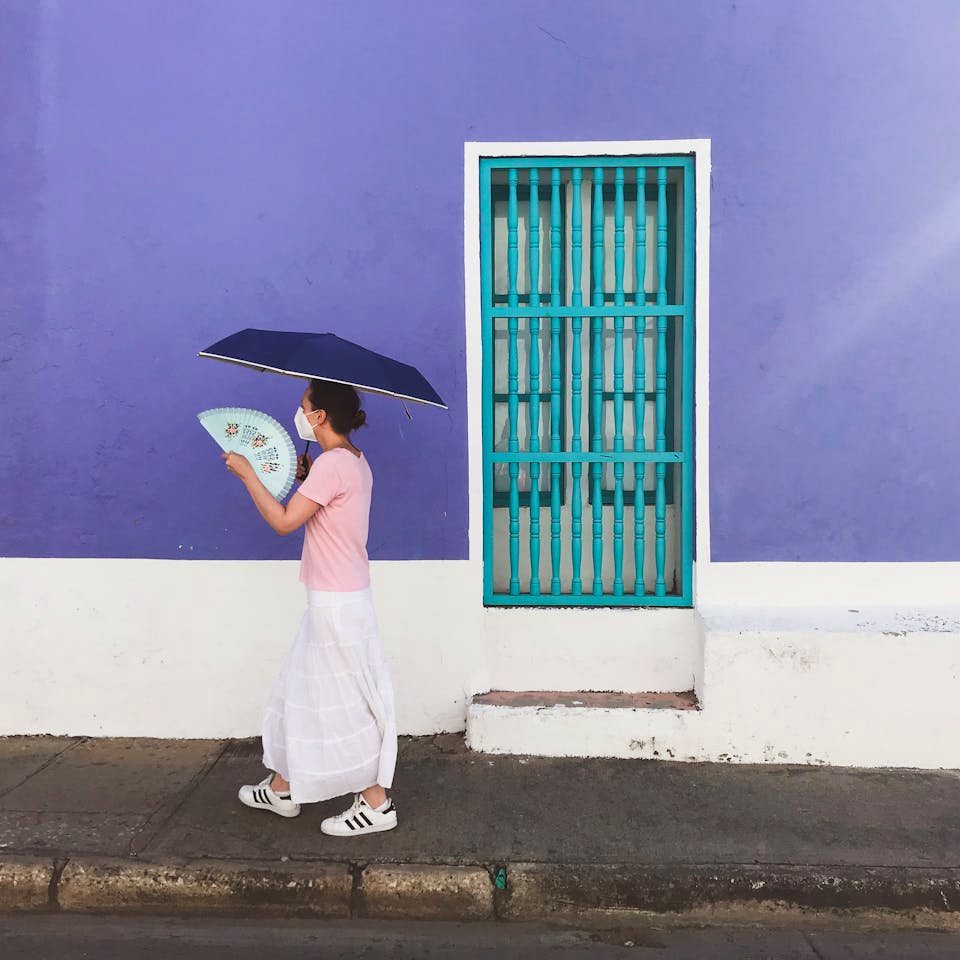
The reality: Cartagena is manageable for solo female travelers, but you’ll face more harassment than men.
What to Expect:
Catcalling:
- Constant (not exaggerating)
- Men will hiss, whistle, make comments
- Locals and tourists both do it
- Colombian culture has different boundaries
How to handle:
- Ignore completely (don’t engage)
- Confident walk, sunglasses, headphones
- “No, gracias” firmly if approached
- Don’t smile politely (seen as encouragement)
Unwanted Attention:
- Men will approach in bars, clubs, beaches
- Some are harmless flirting
- Some are aggressive
How to handle:
- Stay with friends (numbers help)
- Trust gut instinct
- Bar/restaurant staff will help if you signal
- Tourist police respond fast to harassment
Safety Measures:
✅ Stay in Old Town or main Getsemaní streets
✅ Uber after 10 PM (even short distances)
✅ Share Uber details with friend
✅ Don’t accept drinks from strangers (scopolamine risk higher for women)
✅ Hotel safe for valuables
✅ Bring doorstop/portable lock for hotel rooms
✅ Trust your instincts (if it feels wrong, leave)
Female traveler groups: Much easier. Solo is harder but doable with awareness.
LGBTQ+ Travelers
The reality: Colombia legalized same-sex marriage in 2016. Cartagena is relatively progressive for Colombia but still conservative by global standards.
What You’ll Experience:
Public affection:
- Holding hands: Generally okay in tourist areas
- Kissing: Attracts attention, some stares
- Overt displays: Risk negative reactions
Nightlife:
- Some gay-friendly bars/clubs exist
- Old Town/Getsemaní more accepting
- Outside tourist zones: keep it subtle
Hotels:
- Tourist hotels won’t care (seen everything)
- Budget guesthouses in residential areas: might be awkward
Safety:
- Tourist areas: Generally fine
- Outside those: use discretion
- Violence against LGBTQ+ tourists is rare but prejudice exists
Advice: Read the room. Tourist zones are tolerant. Conservative areas outside downtown are less so.
Common Scams: Detailed Breakdown
Beyond what we covered, here are specific scams:
The Taxi Overcharge
How it works:
- “The meter is broken”, said in a city that has no taxi meters at all
- Quote inflated rate (2-3x fair price)
- Count on you not knowing the real price. Here it is: the city minimum is 12,250 COP by the 2026 tariff decree, and that covers most rides between the Old Town, Getsemani and Bocagrande. Add 1,100 COP between 7 PM and 5 AM. From the airport the rank charges by zone: 20,200 COP to Getsemani, 24,300 to the dock beside the Old Town, 34,400 to Bocagrande
Prevention:
- Use Uber/InDriver (shows price upfront)
- If taking yellow taxi, confirm price BEFORE getting in
- Have small bills (drivers claim no change)
- Learn rough prices (hotel staff will tell you)
The one place this scam does not work is the airport rank, where fares to each city zone are fixed and posted, so a quoted price is either the official one or an invention. Our Cartagena airport guide covers what the ride should cost and how the rank works.
The “Free” Performer
How it works:
- Street rapper does freestyle
- Street artist draws your portrait
- You didn’t ask for it
- Demands payment aggressively
Prevention:
- Walk away if someone starts performing
- “No, gracias” repeatedly
- Don’t feel guilty (it’s a hustle)
The Distraction Theft
How it works:
- Someone spills something on you
- While you’re distracted cleaning up
- Accomplice steals phone/wallet
Variations:
- Someone asks directions (while partner picks pocket)
- Kids ask for money (distraction for theft)
- Someone shows you something (watch getting stolen)
Prevention:
- Stay alert in crowds
- Keep one hand on bag/pockets during interactions
- Be wary of overly friendly strangers in tourist areas
The Fake Tour Guide
How it works:
- Guy approaches with “free walking tour”
- Takes you around
- Pressures huge tip at end
- Or leads you to overpriced shops (gets commission)
Prevention:
- Book tours through legitimate operators
- “Free” tours should be clearly advertised (you know what you’re getting)
- Random guy approaching = not legit
The Gem/Emerald Scam
How it works:
- Shop owner offers “incredible deal” on Colombian emeralds
- They’re fake or massively overpriced
- Pressure to buy quickly
Prevention:
- Don’t buy expensive jewelry from street vendors
- If you’re serious, use reputable jewelers only
- Get certificates, do research
- Better yet, skip emeralds unless you’re an expert
The ATM Skimmer
How it works:
- Device attached to ATM reads card
- Hidden camera records PIN
- Card gets cloned
Prevention:
- Use ATMs inside banks only (never street ATMs)
- Cover PIN with hand
- Check for loose parts on card slot
- Notify bank you’re traveling
Practical Safety Tips: What Actually Works
Phone Security:
✅ Front pocket always (not back pocket, not purse)
✅ Don’t use phone while walking (makes you target)
✅ In restaurants, keep phone in lap or pocket (not on table)
✅ At beach, waterproof case + keep on body or leave at hotel
❌ Never have phone out taking photos in quiet/empty areas
Money Management:
✅ Carry only what you need daily
✅ Split cash between pockets
✅ Hotel safe for passport, extra cards
✅ Credit card for big purchases (fraud protection)
✅ ATMs inside banks only
❌ Don’t flash cash at markets
Bag/Purse:
✅ Cross-body always (not shoulder strap)
✅ Zipper closed (not magnetic clasp)
✅ Wear it in front in crowds (not on side)
✅ Anti-theft bags if you’re paranoid (slash-proof)
❌ Don’t set bag down (even at restaurants – keep contact)
Uber/Taxi:
✅ Use Uber/InDriver (safer + see price upfront)
✅ Share trip details with friend (Uber feature)
✅ Sit in back seat (not front)
✅ Follow GPS (make sure driver following correct route)
✅ Yellow taxis by day are usually fine (confirm price first)
❌ Never get in unmarked car (even if they claim to be taxi)
Evening/Night:
✅ Stick to main streets (lit and busy)
✅ Travel in groups (safety in numbers)
✅ Uber after 10 PM (even short distances)
✅ Tell hotel where you’re going
❌ Don’t walk quiet streets alone after midnight
Alcohol/Nightlife:
✅ Watch bartender make your drink
✅ Never accept drinks from strangers
✅ Keep drink with you (don’t leave unattended)
✅ Go out with people you trust
✅ Have emergency numbers saved
❌ Don’t drink to the point you can’t think clearly (scopolamine victims are often drinking)
For complete nightlife guide including which venues are safest and dress code expectations, see our Cartagena nightlife guide.
Travel Insurance:
- ✅ Get travel insurance before visiting — medical care costs can be significant
- ✅ Ensure your policy covers theft (phone, camera, bag) — pickpocketing is the real risk
- ✅ Emergency evacuation coverage is worth it for remote areas like Rosario Islands
- ⚠️ Many credit card travel insurance plans don’t cover Colombia — check yours
- ⚠️ Check US State Department Colombia advisory before buying coverage — your insurer may ask
Emergency Contacts & Resources
Emergency Numbers:
Police Emergency: 123
Tourist Police: 317 415 5740
Medical Emergency: 125
U.S. Embassy (Bogotá): +57 (1) 275-2000
UK Embassy (Bogotá): +57 (1) 326-8300
Canadian Embassy (Bogotá): +57 (1) 657-9800
Hospitals (English-speaking staff):
Bocagrande Hospital (best for tourists):
- Address: Carrera 6 # 8-15, Bocagrande
- 24/7 emergency
Hospital Naval:
- Address: Mamonal
- Good reputation
Tourist Police Stations:
Old Town: Clock Tower entrance (visible green uniforms)
Getsemaní: Near Parque Centenario
Bocagrande: Along main avenue
Note: Tourist police speak some English and are specifically trained to help visitors.
What Locals Worry About (Perspective Shift)
Tourists obsess over violence. Locals worry about:
Traffic accidents – Far more likely to hurt you than crime
Dengue/mosquitoes – Real health risk
Sun exposure – Actual emergency room visits
Food/water issues – Stomach problems common
Boat accidents – Island trips occasionally go wrong
The things tourists fear (kidnapping, cartel violence, random attack) barely register for locals in tourist areas. The everyday risks (getting hit by a motorbike, severe sunburn, food poisoning) are what actually send tourists home early.
Perspective: You’re more likely to get hurt from dehydration + heat exhaustion than from violent crime in Cartagena.
Safety Comparison: Cartagena vs Other Cities
To calibrate your expectations: According to Numbeo Crime Index, Cartagena ranks significantly lower in crime than Bogotá or Medellín.
Safer than: Rio de Janeiro, Johannesburg, San Pedro Sula, parts of Mexico City
Similar to: Panama City, San José Costa Rica, Lima tourist areas
Less safe than: Most European cities, Canadian cities, Australian cities
About equal to: Many U.S. cities (New Orleans, Miami, parts of LA)
The pattern: Cartagena follows typical developing-world tourist city safety patterns. It’s not uniquely dangerous. Standard urban travel precautions work.
Neighborhood Safety at a Glance
Quick reference for daily planning:
🛡️ Cartagena Safety by Area & Time
| Area | Daytime (6 AM-6 PM) | Evening (6 PM-10 PM) | Night (10 PM-2 AM) | Main Risks |
|---|---|---|---|---|
| Old Town Inside walls |
✅ Very Safe Tourist police everywhere |
✅ Very Safe Well-lit, patrols |
✅ Safe Walk freely |
📱 Pickpockets (low)
🛵 Phone snatch (rare)
💰 Overcharging (common)
|
| Getsemaní Main streets |
✅ Safe Busy, mixed crowd |
✅ Safe Nightlife activity |
⚠️ Caution Main streets ok |
📱 Pickpockets (moderate)
🛵 Phone snatch (occasional)
💰 Scams (moderate)
|
| Getsemaní Edge areas |
⚠️ Caution Rougher, less tourists |
⚠️ Caution Poor lighting |
❌ Avoid Take Uber |
🎯 Robbery risk (higher)
📱 Phone theft (common)
Isolation danger
|
| Bocagrande Hotel zone |
✅ Safe Hotel security |
✅ Safe Main avenue lit |
⚠️ Caution Uber recommended |
🏖️ Beach theft (common)
💰 Vendor pressure
Isolated side streets
|
| Castillogrande Residential |
✅ Safe Quiet, secure |
✅ Safe Residential calm |
⚠️ Isolated Very quiet |
🚗 Need transport
Isolation feeling
|
| Manga Residential island |
✅ Safe Quiet streets |
✅ Safe Residential |
⚠️ Taxi Poorly lit, little open |
⚠️ Robbery (high risk)
🎯 Violence possible
Zero tourist infrastructure
|
| La Matuna Business district |
⚠️ Transit Only Dead area |
❌ Avoid Unsafe after 6 PM |
❌ Never Empty, risky |
🎯 Robbery (night)
Empty streets
No nighttime activity
|
- ✅ Safe = Walk freely with basic precautions
- ⚠️ Caution = Heightened awareness needed
- ❌ Avoid = Take Uber or skip entirely
The Honest Takeaway
Cartagena is not dangerous in the way tourists fear. You’re not walking into a cartel warzone. You’re not risking kidnapping. Violent crime against tourists in the main zones is rare.
What you actually face: Aggressive vendors who won’t leave you alone. Pickpockets working crowded plazas. Taxi drivers trying to overcharge. The constant mental load of staying vigilant. Scopolamine as a low-probability but serious risk. These are the realities.
The safety rules that matter:
- Stay in tourist zones (Old Town, main Getsemaní, Bocagrande)
- Phone in front pocket, not in hand
- Uber after 10 PM
- Never accept drinks from strangers
- Watch your belongings in crowds
- If an area feels sketchy, it probably is
Most visitors experience zero serious incidents. They get annoyed by vendors, maybe pay too much for a taxi, possibly lose track of small items at the beach. That’s the extent of problems for 95% of tourists.
The 5% who have issues? Usually made obvious mistakes – walking drunk alone at 3 AM, leaving a phone on a restaurant table, accepting drinks from random people in clubs, wandering sketchy neighborhoods because their hotel was cheap.
Cartagena requires urban travel awareness. The U.S. State Department and UK Foreign Office both list Cartagena’s tourist zones as lower-risk compared to other Colombian cities. If you’ve navigated Rome, Barcelona, or any major city, you have the skills. If you’re coming from rural Wyoming and this is your first international trip, the hustle culture will be overwhelming (but you’ll adapt).
Use common sense. Trust your instincts. Don’t let safety paranoia ruin your trip, but don’t be naive either. The middle ground – aware but not terrified – is where Cartagena works best.
Planning your first trip? See our complete 3-day itinerary which incorporates these safety patterns into daily scheduling, ensuring you’re in the right places at the right times.
Frequently Asked Questions: Is Cartagena Safe?
Is Cartagena safe for tourists in 2026?
Yes — for tourists who stay in the main areas. Old Town (Walled City), Getsemaní’s central streets, and Bocagrande are all reasonably safe during the day and evening. The key is staying in tourist zones, using Uber at night, and practicing standard big-city awareness: keep your phone out of sight, don’t flash valuables, and trust your instincts if an area feels off.
Is Cartagena safe for solo female travelers?
Mostly yes, with standard precautions. Harassment (catcalling, persistent vendors) is more common than in Europe, but violent crime against female tourists in main areas is rare. Walk with purpose, dress modestly outside tourist zones, avoid walking alone late at night, and use Uber rather than street taxis. Many solo women travel Cartagena without issues.
What areas of Cartagena should tourists avoid?
Avoid: the outskirts of Getsemaní (quiet side streets after midnight), La Matuna (local commercial district, dead after 6 PM), Chambacú, the Nelson Mandela neighborhood, and any area your hotel staff specifically warns about. Manga is often listed as one to avoid and should not be: it is a quiet residential island, and the only real caution there is that streets are poorly lit at night. The tourist triangle of Old Town – Getsemaní center – Bocagrande is where you should base yourself.
Is petty theft common in Cartagena?
More so than in North American or European cities, but manageable with awareness. Phone snatching (especially from your hand on the street), pickpocketing in crowds, and bag theft at beaches are the most common issues. Keep your phone in your pocket (not in hand), use a crossbody bag, and don’t leave belongings unattended at the beach.
Is it safe to walk around Cartagena Old Town at night?
Yes — the Walled City is one of Cartagena’s safest areas at night. The streets are busy with tourists and locals until 11 PM or later. Stick to main streets (Calle de la Factoria, Plaza Bolívar area, San Diego), and you’ll be fine. After midnight when streets empty, take an Uber back to your hotel even for short distances.
Should I be worried about scopolamine (burundanga) in Cartagena?
It’s a real risk but statistically rare. Never accept drinks, food, or cigarettes from strangers — this is the primary vector. Be cautious with new “friends” who appear overly generous or pushy. Stick to reputable bars and clubs, and always watch your drink being poured. The vast majority of tourists visit without encountering this at all.
Related Guides
For complete trip planning:
- Where to Stay in Cartagena – Safest neighborhoods for accommodation
- 3-Day Cartagena Itinerary – Daily schedule with safety built in
- Things to Do in Cartagena – Activities with safety context
- Getting Around Cartagena – Safe transport options
- Cartagena Nightlife Guide – Safe venues and evening safety
- When to Visit Cartagena – Seasonal crowd patterns affect safety
- Cartagena Budget Guide – Avoiding money-related scams